Alfalfa
Medicago sativa
Also listed as Medica sativa, Medicago vera
Also known as Lucerne, Medick
Climate Match for your location
See how well Alfalfa grows in your area.
Enter your ZIP code and we'll show you how this plant fits your local climate.
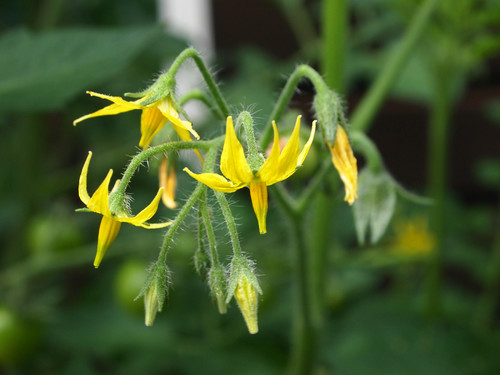
Alfalfa is a nitrogen-fixing legume prized as livestock forage and for improving soil health in agricultural settings. It produces small purple, pink, or yellow flowers and deep taproots that help break up compacted soil.
Why grow it
Alfalfa fixes atmospheric nitrogen more abundantly than most legumes, making it effective for building soil fertility in rotational systems. Its deep taproot structure distinguishes it from shallow-rooted cover crops, providing superior soil penetration and drought resilience once established. Compared to annual nitrogen-fixing crops like clover or vetch, alfalfa's perennial habit allows multiple harvests per season and longer productive life, though it requires more robust initial establishment.
Watch out for
Alfalfa has high water demands during establishment and peak growth; in arid regions or during dry spells, supplemental irrigation may be necessary for reliable performance. The crop is sensitive to soil pH below 6.0 and performs poorly in poorly drained soils, so site assessment is important before planting. Persistence and volunteer regrowth can be difficult to manage if you later want to transition the land to other uses.
Overview
- Form
- Growth Rate
- Size
- Dormancy
- Family
- Fabaceae
Native Range
Mediterranean
Seasonality
Bloom Season
Harvest Season
Edible Parts
Season of Interest
Herb
Soft non-woody plants of the field layer.
Succession Role
Tolerances & Soil
Flood Tolerance
Deer Resistance
Inferred from USDA browse palatability
pH Range
Soil Texture
Establishment & Care
- Establishment
- Maintenance
- Years to Bearing
- Propagation
Alfalfa is a nitrogen-fixing legume prized as livestock forage and for improving soil health in agricultural settings. It produces small purple, pink, or yellow flowers and deep taproots that help break up compacted soil.
Climate Match for your location
See how well Alfalfa grows in your area.
Enter your ZIP code and we'll show you how this plant fits your local climate.
Why grow it
Alfalfa fixes atmospheric nitrogen more abundantly than most legumes, making it effective for building soil fertility in rotational systems. Its deep taproot structure distinguishes it from shallow-rooted cover crops, providing superior soil penetration and drought resilience once established. Compared to annual nitrogen-fixing crops like clover or vetch, alfalfa's perennial habit allows multiple harvests per season and longer productive life, though it requires more robust initial establishment.
Watch out for
Alfalfa has high water demands during establishment and peak growth; in arid regions or during dry spells, supplemental irrigation may be necessary for reliable performance. The crop is sensitive to soil pH below 6.0 and performs poorly in poorly drained soils, so site assessment is important before planting. Persistence and volunteer regrowth can be difficult to manage if you later want to transition the land to other uses.
Overview
- Form
- Growth Rate
- Size
- Dormancy
- Family
- Fabaceae
Native Range
Mediterranean
Seasonality
Bloom Season
Harvest Season
Edible Parts
Season of Interest
Herb
Soft non-woody plants of the field layer.
Succession Role
Tolerances & Soil
Flood Tolerance
Deer Resistance
Inferred from USDA browse palatability
pH Range
Soil Texture
Establishment & Care
- Establishment
- Maintenance
- Years to Bearing
- Propagation
Similar herbs you might consider:
Enter your ZIP code to see top native species and strong climate fits for you.