Bur Clover
Medicago polymorpha
Also listed as Medicago denticulata, Medicago hispida
Also known as California Bur-clover, Bur Medic, Burr Medic
Climate Match for your location
See how well Bur Clover grows in your area.
Enter your ZIP code and we'll show you how this plant fits your local climate.
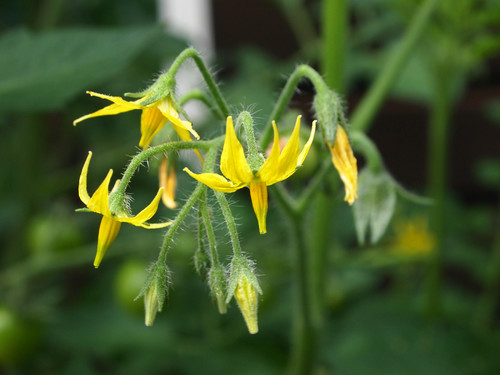
Bur clover is a low-growing legume with small yellow flowers and distinctive spiky seed pods that cling to clothing and animal fur. It thrives in dry conditions and is commonly found in Mediterranean climates and grasslands.
Why grow it
Bur clover establishes readily in poor, dry soils where many legumes struggle, making it useful for erosion control and nitrogen fixation in marginal pastures and rangelands. Compared to other annual clovers, it requires less moisture and tolerates compacted ground better, though it fixes less total nitrogen than perennial species like alfalfa. Its deep taproot also helps break up hardpan in degraded soils.
Watch out for
The mature seed pods adhere strongly to clothing, fur, and machinery, which can complicate harvest and equipment cleaning. In irrigated settings or high-rainfall years, it may persist longer than intended and outcompete slower-establishing perennials if not managed with timely mowing or grazing.
Overview
- Form
- Growth Rate
- Size
- Dormancy
- Family
- Fabaceae
Native Range
Mediterranean
Seasonality
Bloom Season
Season of Interest
Ground cover
Low spreading plants that carpet the soil.
Succession Role
Tolerances & Soil
Flood Tolerance
Deer Resistance
Inferred from USDA browse palatability
pH Range
Soil Texture
Establishment & Care
- Establishment
- Maintenance
- Propagation
Bur clover is a low-growing legume with small yellow flowers and distinctive spiky seed pods that cling to clothing and animal fur. It thrives in dry conditions and is commonly found in Mediterranean climates and grasslands.
Climate Match for your location
See how well Bur Clover grows in your area.
Enter your ZIP code and we'll show you how this plant fits your local climate.
Why grow it
Bur clover establishes readily in poor, dry soils where many legumes struggle, making it useful for erosion control and nitrogen fixation in marginal pastures and rangelands. Compared to other annual clovers, it requires less moisture and tolerates compacted ground better, though it fixes less total nitrogen than perennial species like alfalfa. Its deep taproot also helps break up hardpan in degraded soils.
Watch out for
The mature seed pods adhere strongly to clothing, fur, and machinery, which can complicate harvest and equipment cleaning. In irrigated settings or high-rainfall years, it may persist longer than intended and outcompete slower-establishing perennials if not managed with timely mowing or grazing.
Overview
- Form
- Growth Rate
- Size
- Dormancy
- Family
- Fabaceae
Native Range
Mediterranean
Seasonality
Bloom Season
Season of Interest
Ground cover
Low spreading plants that carpet the soil.
Succession Role
Tolerances & Soil
Flood Tolerance
Deer Resistance
Inferred from USDA browse palatability
pH Range
Soil Texture
Establishment & Care
- Establishment
- Maintenance
- Propagation
Similar ground covers you might consider:
Enter your ZIP code to see top native species and strong climate fits for you.