Chili Pepper
Capsicum annuum
Also known as Bell Pepper, Chili, Chilli Pepper
Climate Match for your location
See how well Chili Pepper grows in your area.
Enter your ZIP code and we'll show you how this plant fits your local climate.
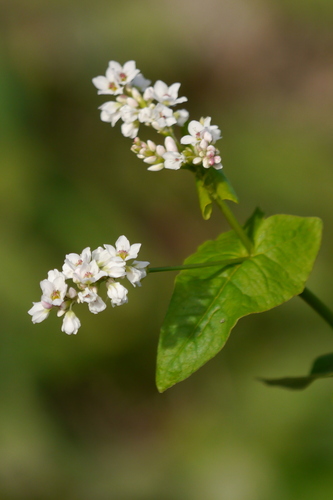
A warm-season shrub prized for its colorful, pungent peppers that mature from green to red, yellow, or orange. Grows best in full sun and warm climates, producing white flowers followed by edible fruit.
Why grow it
Capsicum annuum offers reliable productivity and fruit diversity within a single species, with numerous cultivars spanning mild bell types to intensely hot varieties. Compared to other Capsicum species, annuum matures faster and performs better in temperate climates with shorter growing seasons. Its extended harvest window and ornamental value during fruiting make it a practical choice for both kitchen gardens and polycultures seeking vertical or understory interest.
Watch out for
Pepper plants are sensitive to temperature swings below 60°F and above 95°F, which can cause flower drop and reduced fruit set even when other conditions are favorable. Inconsistent watering during fruit development often leads to blossom-end rot, a calcium-related disorder that affects yield quality. In humid conditions, watch for fungal diseases on foliage, particularly if air circulation is poor.
Overview
- Form
- Growth Rate
- Size
- Dormancy
- Family
- Solanaceae
Native to the United States
Native Range
Central and South America
Native to: Alabama, Arizona, Florida, Louisiana, Texas
Seasonality
Bloom Season
Harvest Season
Edible Parts
Season of Interest
Shrub
Woody multi-stem plants at eye level.
Succession Role
Tolerances & Soil
Establishment & Care
- Establishment
- Maintenance
- Years to Bearing
- Propagation
A warm-season shrub prized for its colorful, pungent peppers that mature from green to red, yellow, or orange. Grows best in full sun and warm climates, producing white flowers followed by edible fruit.
Climate Match for your location
See how well Chili Pepper grows in your area.
Enter your ZIP code and we'll show you how this plant fits your local climate.
Why grow it
Capsicum annuum offers reliable productivity and fruit diversity within a single species, with numerous cultivars spanning mild bell types to intensely hot varieties. Compared to other Capsicum species, annuum matures faster and performs better in temperate climates with shorter growing seasons. Its extended harvest window and ornamental value during fruiting make it a practical choice for both kitchen gardens and polycultures seeking vertical or understory interest.
Watch out for
Pepper plants are sensitive to temperature swings below 60°F and above 95°F, which can cause flower drop and reduced fruit set even when other conditions are favorable. Inconsistent watering during fruit development often leads to blossom-end rot, a calcium-related disorder that affects yield quality. In humid conditions, watch for fungal diseases on foliage, particularly if air circulation is poor.
Overview
- Form
- Growth Rate
- Size
- Dormancy
- Family
- Solanaceae
Native to the United States
Native Range
Central and South America
Native to: Alabama, Arizona, Florida, Louisiana, Texas
Seasonality
Bloom Season
Harvest Season
Edible Parts
Season of Interest
Shrub
Woody multi-stem plants at eye level.
Succession Role
Tolerances & Soil
Establishment & Care
- Establishment
- Maintenance
- Years to Bearing
- Propagation
Similar shrubs you might consider:
Enter your ZIP code to see top native species and strong climate fits for you.