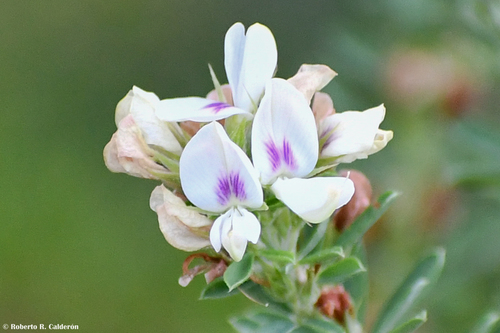
Chinese Bushclover
Lespedeza cuneata
Also listed as Anthyllis cuneata, Aspalathus cuneata
Also known as Sericea Lespedeza, Chinese Lespedeza, Bush Clover
Climate Match for your location
See how well Chinese Bushclover grows in your area.
Enter your ZIP code and we'll show you how this plant fits your local climate.
A deciduous shrub native to eastern Asia with small trifoliate leaves and delicate purple-pink flowers in late summer to fall. Extremely drought-tolerant once established, making it valuable for dry landscapes and erosion control.
Why grow it
Chinese bushclover establishes quickly in poor, dry soils where many ornamental shrubs struggle, offering reliable late-season color with minimal water inputs once mature. Compared to native alternatives like fragrant sumac or leadplant, it provides denser coverage and more delicate foliage texture, though native species typically support more specialized pollinators and wildlife. Its primary horticultural advantage lies in performance on degraded sites and steep slopes where erosion control is the primary goal.
Watch out for
Plants can self-seed prolifically in favorable conditions, requiring periodic deadheading if volunteer seedlings are unwanted. It may take two to three seasons to achieve full drought tolerance, so supplemental watering during establishment helps ensure survival in the first growing season.
Overview
- Form
- Growth Rate
- Size
- Dormancy
- Family
- Fabaceae
Native Range
Eastern Asia
Seasonality
Bloom Season
Season of Interest
Shrub
Woody multi-stem plants at eye level.
Succession Role
Tolerances & Soil
Establishment & Care
- Establishment
- Maintenance
- Propagation
A deciduous shrub native to eastern Asia with small trifoliate leaves and delicate purple-pink flowers in late summer to fall. Extremely drought-tolerant once established, making it valuable for dry landscapes and erosion control.
Climate Match for your location
See how well Chinese Bushclover grows in your area.
Enter your ZIP code and we'll show you how this plant fits your local climate.
Why grow it
Chinese bushclover establishes quickly in poor, dry soils where many ornamental shrubs struggle, offering reliable late-season color with minimal water inputs once mature. Compared to native alternatives like fragrant sumac or leadplant, it provides denser coverage and more delicate foliage texture, though native species typically support more specialized pollinators and wildlife. Its primary horticultural advantage lies in performance on degraded sites and steep slopes where erosion control is the primary goal.
Watch out for
Plants can self-seed prolifically in favorable conditions, requiring periodic deadheading if volunteer seedlings are unwanted. It may take two to three seasons to achieve full drought tolerance, so supplemental watering during establishment helps ensure survival in the first growing season.
Overview
- Form
- Growth Rate
- Size
- Dormancy
- Family
- Fabaceae
Native Range
Eastern Asia
Seasonality
Bloom Season
Season of Interest
Shrub
Woody multi-stem plants at eye level.
Succession Role
Tolerances & Soil
Establishment & Care
- Establishment
- Maintenance
- Propagation
Similar shrubs you might consider:
Enter your ZIP code to see top native species and strong climate fits for you.