Common Bean
Phaseolus vulgaris
Also listed as Phaseolus aborigineus, Phaseolus albus
Also known as Green Bean, French Bean, String Bean
Climate Match for your location
See how well Common Bean grows in your area.
Enter your ZIP code and we'll show you how this plant fits your local climate.
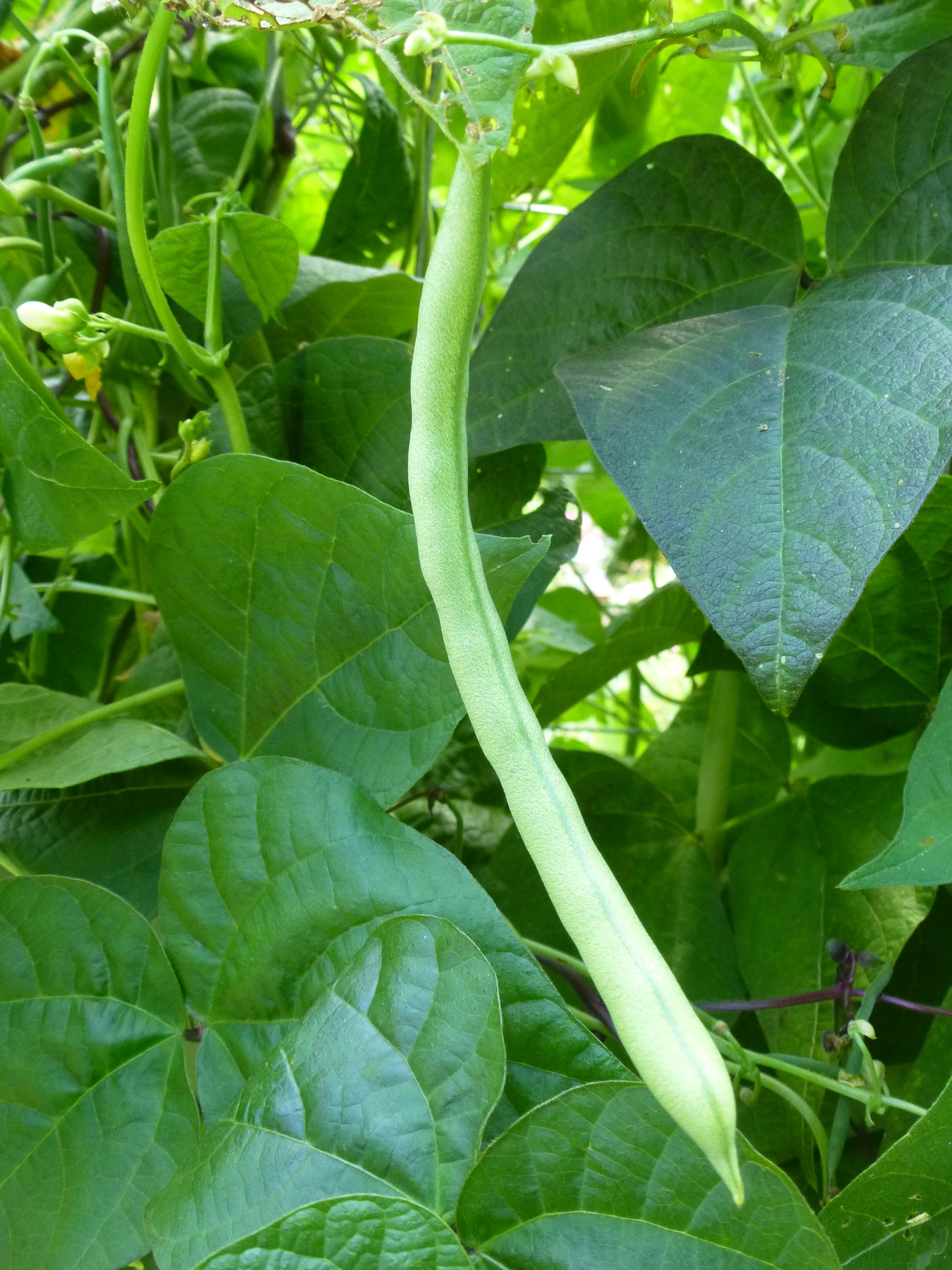
A warm-season legume grown for its edible pods and seeds. Beans are fast-growing and productive, thriving in full sun with consistent moisture and moderate warmth.
Why grow it
Common beans fix nitrogen in soil, improving fertility for subsequent crops without synthetic fertilizer input. They mature faster than many other legumes (typically 50-60 days to harvest), making them practical for shorter growing seasons or succession planting within a single year. Unlike some perennial nitrogen-fixers, beans are easy to terminate and work into garden beds once productivity declines.
Watch out for
Bean plants are sensitive to cool soil temperatures and frost; sowing before soil reaches 60°F (16°C) results in poor germination and seed rot. Extended wet conditions, particularly during flowering and pod fill, can promote fungal diseases like anthracnose and bean rust, so adequate spacing and air circulation help reduce problems. Beans require consistent watering during the growing season, as water stress at flowering reduces yields significantly.
Overview
- Form
- Growth Rate
- Size
- Dormancy
- Family
- Fabaceae
Native Range
Mesoamerica
Seasonality
Bloom Season
Harvest Season
Edible Parts
Season of Interest
Climber
Vines that climb the layers above on a support.
Succession Role
Tolerances & Soil
Establishment & Care
- Establishment
- Maintenance
- Years to Bearing
- Propagation
A warm-season legume grown for its edible pods and seeds. Beans are fast-growing and productive, thriving in full sun with consistent moisture and moderate warmth.
Climate Match for your location
See how well Common Bean grows in your area.
Enter your ZIP code and we'll show you how this plant fits your local climate.
Why grow it
Common beans fix nitrogen in soil, improving fertility for subsequent crops without synthetic fertilizer input. They mature faster than many other legumes (typically 50-60 days to harvest), making them practical for shorter growing seasons or succession planting within a single year. Unlike some perennial nitrogen-fixers, beans are easy to terminate and work into garden beds once productivity declines.
Watch out for
Bean plants are sensitive to cool soil temperatures and frost; sowing before soil reaches 60°F (16°C) results in poor germination and seed rot. Extended wet conditions, particularly during flowering and pod fill, can promote fungal diseases like anthracnose and bean rust, so adequate spacing and air circulation help reduce problems. Beans require consistent watering during the growing season, as water stress at flowering reduces yields significantly.
Overview
- Form
- Growth Rate
- Size
- Dormancy
- Family
- Fabaceae
Native Range
Mesoamerica
Seasonality
Bloom Season
Harvest Season
Edible Parts
Season of Interest
Climber
Vines that climb the layers above on a support.
Succession Role
Tolerances & Soil
Establishment & Care
- Establishment
- Maintenance
- Years to Bearing
- Propagation
Similar climbers you might consider:
Enter your ZIP code to see top native species and strong climate fits for you.