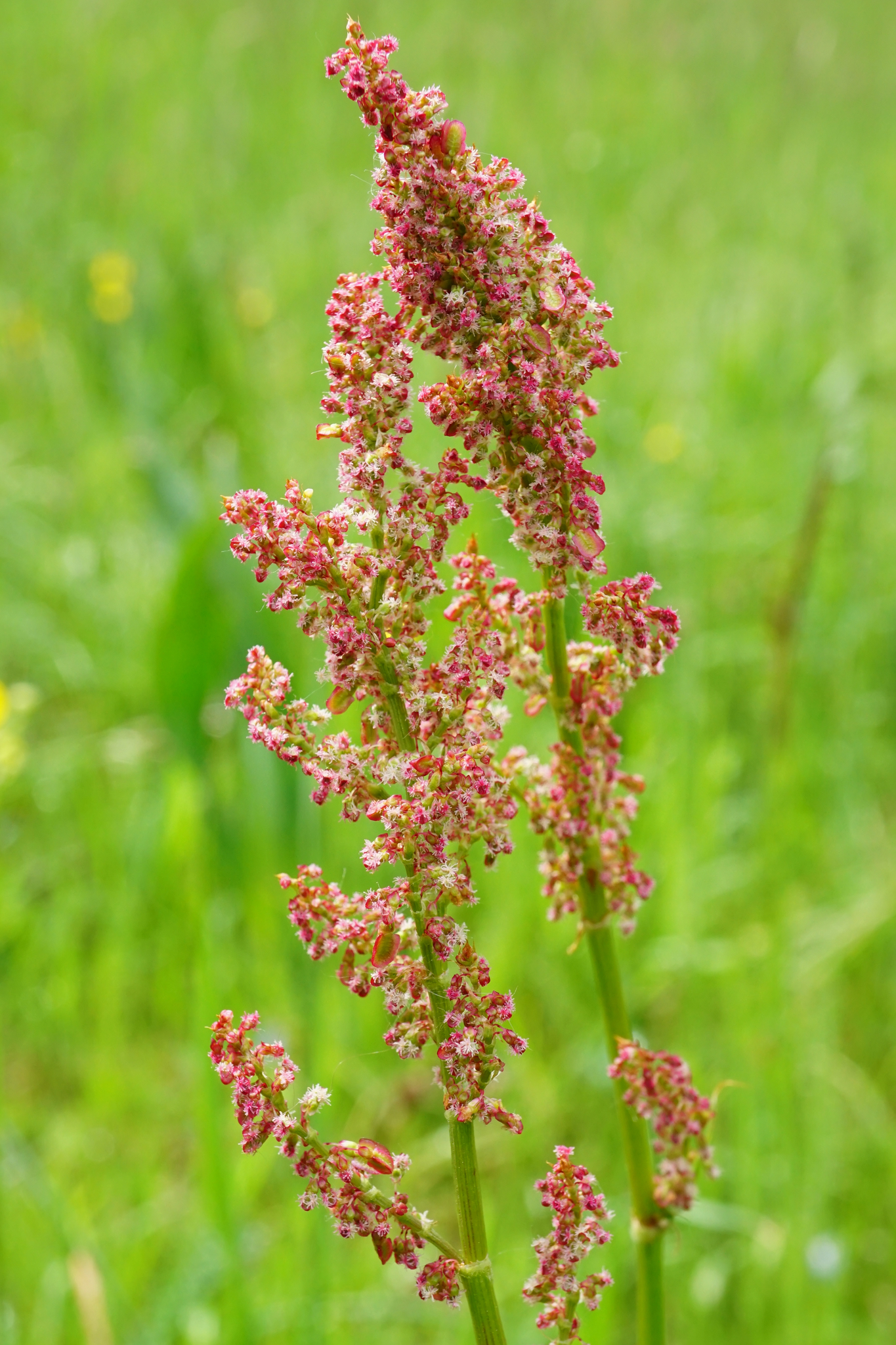
Common Sorrel
Rumex acetosa
Also known as Sorrel, Garden Sorrel, Meadow Sorrel
Climate Match for your location
See how well Common Sorrel grows in your area.
Enter your ZIP code and we'll show you how this plant fits your local climate.
A hardy perennial herb with tart, lemony leaves used in cooking and salads. It produces tall flower spikes with reddish-brown flowers and spreads readily in cool climates.
Why grow it
Common sorrel offers a reliable source of tart, lemony leaves that arrive earlier in spring than many other perennial herbs, making it useful for season extension in cool climates. Compared to annual sorrels or other acid-leaved herbs like wood sorrel, it requires less frequent replanting and produces more substantial yields once established. Its vigor and self-seeding habit mean it can fill ground quickly without ongoing inputs, though this same tendency makes it better suited to contained growing areas than unmanaged spaces.
Watch out for
Leaf quality declines noticeably as the plant matures through summer, with older growth becoming tougher and more fibrous. In warmer climates or during heat stress, oxalic acid levels in the leaves may increase, which can affect palatability for some users. Division or replanting every few years helps maintain vigor and leaf quality, as older crowns tend toward declining productivity.
Overview
- Form
- Growth Rate
- Size
- Dormancy
- Family
- Polygonaceae
Native Range
European
Seasonality
Bloom Season
Harvest Season
Edible Parts
Season of Interest
Notable Cultivars
'Bloodveined' features dark red veins on its leaves and offers ornamental appeal alongside flavor. 'Blonde de Lyon' is a French cultivar prized for tender, pale green leaves and mild taste.
Herb
Soft non-woody plants of the field layer.
Succession Role
Tolerances & Soil
Establishment & Care
- Establishment
- Maintenance
- Years to Bearing
- Propagation
A hardy perennial herb with tart, lemony leaves used in cooking and salads. It produces tall flower spikes with reddish-brown flowers and spreads readily in cool climates.
Climate Match for your location
See how well Common Sorrel grows in your area.
Enter your ZIP code and we'll show you how this plant fits your local climate.
Why grow it
Common sorrel offers a reliable source of tart, lemony leaves that arrive earlier in spring than many other perennial herbs, making it useful for season extension in cool climates. Compared to annual sorrels or other acid-leaved herbs like wood sorrel, it requires less frequent replanting and produces more substantial yields once established. Its vigor and self-seeding habit mean it can fill ground quickly without ongoing inputs, though this same tendency makes it better suited to contained growing areas than unmanaged spaces.
Watch out for
Leaf quality declines noticeably as the plant matures through summer, with older growth becoming tougher and more fibrous. In warmer climates or during heat stress, oxalic acid levels in the leaves may increase, which can affect palatability for some users. Division or replanting every few years helps maintain vigor and leaf quality, as older crowns tend toward declining productivity.
Overview
- Form
- Growth Rate
- Size
- Dormancy
- Family
- Polygonaceae
Native Range
European
Seasonality
Bloom Season
Harvest Season
Edible Parts
Season of Interest
Herb
Soft non-woody plants of the field layer.
Succession Role
Tolerances & Soil
Establishment & Care
- Establishment
- Maintenance
- Years to Bearing
- Propagation
Similar herbs you might consider:
Enter your ZIP code to see top native species and strong climate fits for you.
Companion Planting
Plants well with
Notable Cultivars
'Bloodveined' features dark red veins on its leaves and offers ornamental appeal alongside flavor. 'Blonde de Lyon' is a French cultivar prized for tender, pale green leaves and mild taste.