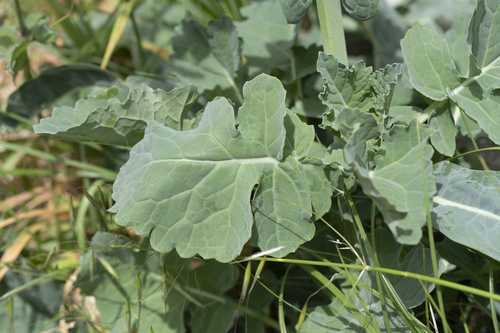
Common Sunflower
Helianthus annuus
Also listed as Helianthus lenticularis, Helianthus aridus
Also known as Sunflower, Annual Sunflower, Garden Sunflower
Climate Match for your location
See how well Common Sunflower grows in your area.
Enter your ZIP code and we'll show you how this plant fits your local climate.
A tall, cheerful annual with large golden-yellow flower heads that track the sun throughout the day. Easy to grow from seed and beloved by pollinators, sunflowers are perfect for creating dramatic focal points in summer gardens.
Why grow it
Sunflowers outperform most other tall annuals in seed productivity and volunteer return, making them practical for permaculture systems focused on food and habitat. They establish quickly from direct seed in cool to warm climates, tolerate poor soils better than many ornamentals, and their large flowers and seeds reliably attract pollinators and seed-eating birds. Unlike perennial alternatives, the annual lifecycle allows easy rotation and management within garden planning.
Watch out for
Sunflowers can deplete soil nitrogen and produce allelopathic compounds that inhibit nearby plantings, so avoid repeated planting in the same location without amendment or rotation. Excessive moisture or poor drainage invites root rot and fungal issues, particularly in heavy clay soils. Staking or windbreaks may be necessary in exposed sites, as tall varieties become top-heavy in strong winds.
Overview
- Form
- Growth Rate
- Size
- Dormancy
- Family
- Asteraceae
Native to the United States
Native Range
Mexico and southwestern United States
Native to: Arizona, California, Nevada
Seasonality
Bloom Season
Harvest Season
Edible Parts
Season of Interest
Herb
Soft non-woody plants of the field layer.
Succession Role
Tolerances & Soil
Flood Tolerance
Deer Resistance
Inferred from USDA browse palatability
pH Range
Soil Texture
Establishment & Care
- Establishment
- Maintenance
- Years to Bearing
- Propagation
A tall, cheerful annual with large golden-yellow flower heads that track the sun throughout the day. Easy to grow from seed and beloved by pollinators, sunflowers are perfect for creating dramatic focal points in summer gardens.
Climate Match for your location
See how well Common Sunflower grows in your area.
Enter your ZIP code and we'll show you how this plant fits your local climate.
Why grow it
Sunflowers outperform most other tall annuals in seed productivity and volunteer return, making them practical for permaculture systems focused on food and habitat. They establish quickly from direct seed in cool to warm climates, tolerate poor soils better than many ornamentals, and their large flowers and seeds reliably attract pollinators and seed-eating birds. Unlike perennial alternatives, the annual lifecycle allows easy rotation and management within garden planning.
Watch out for
Sunflowers can deplete soil nitrogen and produce allelopathic compounds that inhibit nearby plantings, so avoid repeated planting in the same location without amendment or rotation. Excessive moisture or poor drainage invites root rot and fungal issues, particularly in heavy clay soils. Staking or windbreaks may be necessary in exposed sites, as tall varieties become top-heavy in strong winds.
Overview
- Form
- Growth Rate
- Size
- Dormancy
- Family
- Asteraceae
Native to the United States
Native Range
Mexico and southwestern United States
Native to: Arizona, California, Nevada
Seasonality
Bloom Season
Harvest Season
Edible Parts
Season of Interest
Herb
Soft non-woody plants of the field layer.
Succession Role
Tolerances & Soil
Flood Tolerance
Deer Resistance
Inferred from USDA browse palatability
pH Range
Soil Texture
Establishment & Care
- Establishment
- Maintenance
- Years to Bearing
- Propagation
Similar herbs you might consider:
Enter your ZIP code to see top native species and strong climate fits for you.