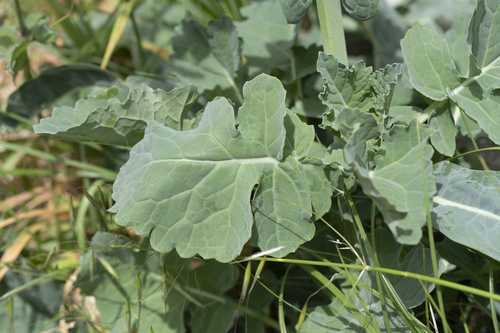
Crimson Clover
Trifolium incarnatum
Also listed as Trifolium molinerii, Trifolium noeanum
Also known as Scarlet Clover, Carnation Clover, Italian Clover
Climate Match for your location
See how well Crimson Clover grows in your area.
Enter your ZIP code and we'll show you how this plant fits your local climate.
A winter annual legume with showy crimson-scarlet flower spikes that bloom in spring and early summer. Commonly used as a cover crop and nitrogen-fixing green manure, though also attractive in gardens and meadows.
Why grow it
Crimson clover fixes atmospheric nitrogen more reliably than many other winter legumes and establishes quickly in cool-season conditions, making it a dependable choice for spring soil building in temperate regions. Its showy flower spikes also provide early-season nectar for pollinators when few other flowers are available, and livestock readily consume the biomass at green-manure stage. Compared to hairy vetch or winter rye, it tends to break down faster after incorporation, reducing the interval before planting.
Watch out for
Crimson clover can volunteer in subsequent seasons if seed is allowed to mature and scatter, requiring either timely termination before flowering or acceptance of self-seeding in subsequent years. In wet or poorly drained soils, stands may thin or succumb to fungal disease, so drainage and air circulation help ensure reliable establishment. The plant prefers slightly acidic to neutral soil and may underperform in very alkaline conditions.
Overview
- Form
- Growth Rate
- Size
- Dormancy
- Family
- Fabaceae
Native Range
Mediterranean
Seasonality
Bloom Season
Harvest Season
Edible Parts
Season of Interest
Herb
Soft non-woody plants of the field layer.
Succession Role
Tolerances & Soil
Flood Tolerance
Deer Resistance
Inferred from USDA browse palatability
pH Range
Soil Texture
Establishment & Care
- Establishment
- Maintenance
- Propagation
A winter annual legume with showy crimson-scarlet flower spikes that bloom in spring and early summer. Commonly used as a cover crop and nitrogen-fixing green manure, though also attractive in gardens and meadows.
Climate Match for your location
See how well Crimson Clover grows in your area.
Enter your ZIP code and we'll show you how this plant fits your local climate.
Why grow it
Crimson clover fixes atmospheric nitrogen more reliably than many other winter legumes and establishes quickly in cool-season conditions, making it a dependable choice for spring soil building in temperate regions. Its showy flower spikes also provide early-season nectar for pollinators when few other flowers are available, and livestock readily consume the biomass at green-manure stage. Compared to hairy vetch or winter rye, it tends to break down faster after incorporation, reducing the interval before planting.
Watch out for
Crimson clover can volunteer in subsequent seasons if seed is allowed to mature and scatter, requiring either timely termination before flowering or acceptance of self-seeding in subsequent years. In wet or poorly drained soils, stands may thin or succumb to fungal disease, so drainage and air circulation help ensure reliable establishment. The plant prefers slightly acidic to neutral soil and may underperform in very alkaline conditions.
Overview
- Form
- Growth Rate
- Size
- Dormancy
- Family
- Fabaceae
Native Range
Mediterranean
Seasonality
Bloom Season
Harvest Season
Edible Parts
Season of Interest
Herb
Soft non-woody plants of the field layer.
Succession Role
Tolerances & Soil
Flood Tolerance
Deer Resistance
Inferred from USDA browse palatability
pH Range
Soil Texture
Establishment & Care
- Establishment
- Maintenance
- Propagation
Similar herbs you might consider:
Enter your ZIP code to see top native species and strong climate fits for you.