English Elm
Ulmus procera
Also listed as Ulmus carpinifolia
Also known as Common Elm
Climate Match for your location
See how well English Elm grows in your area.
Enter your ZIP code and we'll show you how this plant fits your local climate.
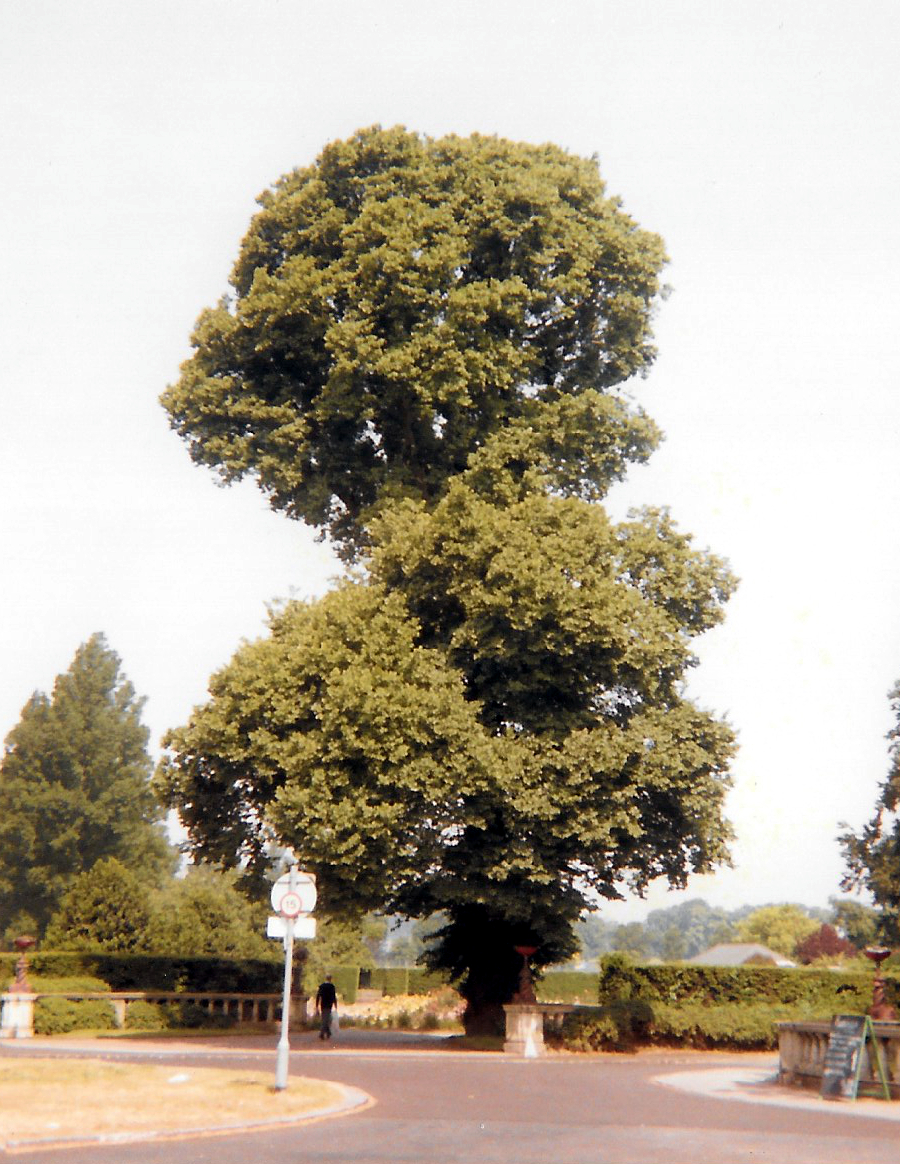
A large deciduous shade tree native to Europe with a tall, upright form, small clustered flowers in early spring, and attractive arching branching. Historically popular as a street and landscape tree, though susceptible to Dutch elm disease.
Why grow it
English elm offers a tall, columnar silhouette that distinguishes it from spreading shade trees like red oak or sugar maple, making it useful where vertical space is a priority. Its early spring flowers and graceful branching structure provide aesthetic interest in larger landscape schemes, and it establishes relatively quickly compared to some oak species. However, availability has diminished significantly due to Dutch elm disease pressure, so gardeners in affected regions may find disease-resistant elm cultivars or alternative tall deciduous trees more practical.
Watch out for
This species requires ample space (60+ feet at maturity) and performs best with consistent moisture during establishment. Young trees benefit from structural pruning to develop strong branch angles and reduce storm damage risk. Root systems can be aggressive and may damage nearby pavement or utilities in confined urban settings.
Overview
- Form
- Growth Rate
- Size
- Dormancy
- Family
- Ulmaceae
Native Range
Europe
Seasonality
Bloom Season
Season of Interest
Canopy
The tallest trees that form the overstory.
Succession Role
Tolerances & Soil
pH Range
Establishment & Care
- Establishment
- Maintenance
- Propagation
A large deciduous shade tree native to Europe with a tall, upright form, small clustered flowers in early spring, and attractive arching branching. Historically popular as a street and landscape tree, though susceptible to Dutch elm disease.
Climate Match for your location
See how well English Elm grows in your area.
Enter your ZIP code and we'll show you how this plant fits your local climate.
Why grow it
English elm offers a tall, columnar silhouette that distinguishes it from spreading shade trees like red oak or sugar maple, making it useful where vertical space is a priority. Its early spring flowers and graceful branching structure provide aesthetic interest in larger landscape schemes, and it establishes relatively quickly compared to some oak species. However, availability has diminished significantly due to Dutch elm disease pressure, so gardeners in affected regions may find disease-resistant elm cultivars or alternative tall deciduous trees more practical.
Watch out for
This species requires ample space (60+ feet at maturity) and performs best with consistent moisture during establishment. Young trees benefit from structural pruning to develop strong branch angles and reduce storm damage risk. Root systems can be aggressive and may damage nearby pavement or utilities in confined urban settings.
Overview
- Form
- Growth Rate
- Size
- Dormancy
- Family
- Ulmaceae
Native Range
Europe
Seasonality
Bloom Season
Season of Interest
Canopy
The tallest trees that form the overstory.
Succession Role
Tolerances & Soil
pH Range
Establishment & Care
- Establishment
- Maintenance
- Propagation
Similar canopy trees you might consider:
Enter your ZIP code to see top native species and strong climate fits for you.