Hairy Vetch
Vicia villosa
Also listed as Cracca villosa, Vicia godronii
Also known as Winter Vetch, Woolly Vetch, Fodder Vetch
Climate Match for your location
See how well Hairy Vetch grows in your area.
Enter your ZIP code and we'll show you how this plant fits your local climate.
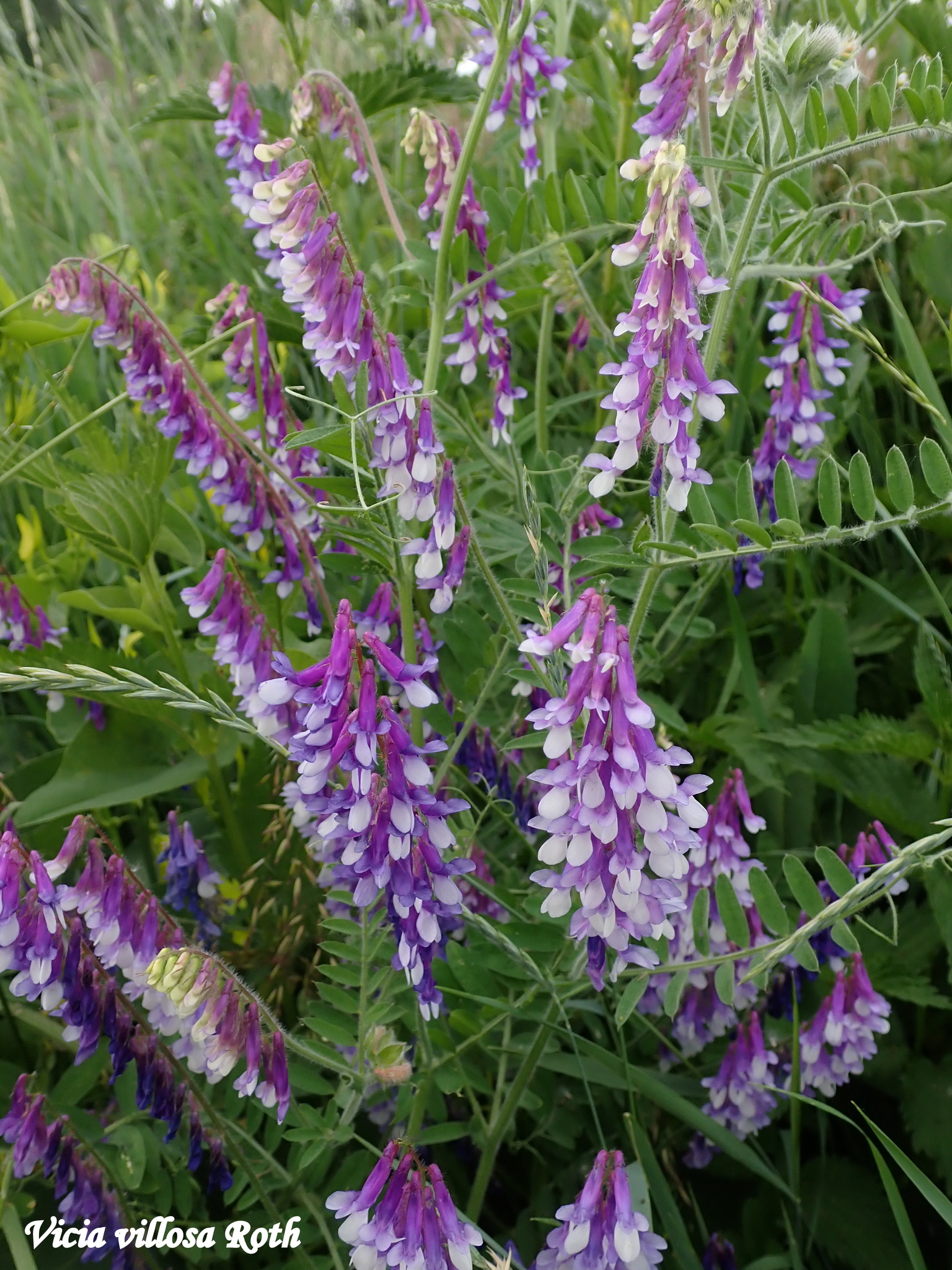
A winter annual legume cover crop with hairy leaves and delicate purple or blue flowers. Commonly used to improve soil fertility and prevent erosion.
Why grow it
Hairy vetch establishes readily in cool-season conditions and fixes atmospheric nitrogen through its legume partnership, making it a practical choice for building soil fertility in winter cover crop rotations. Compared to other winter legumes like crimson clover or Austrian winter pea, hairy vetch tolerates colder temperatures and poorer soils more reliably, and its dense growth habit provides reliable erosion control. University extension services across northern and temperate regions commonly recommend it for short-term soil improvement in vegetable and grain systems.
Watch out for
Hairy vetch can persist and self-seed beyond its intended growing season in mild climates, requiring deliberate management to prevent unwanted volunteering in subsequent crops. Dense stands may take several weeks to decompose after incorporation, so plan tilling or termination well ahead of spring planting. The plant produces hard seeds that can remain viable in soil for multiple years.
Overview
- Form
- Growth Rate
- Size
- Dormancy
- Family
- Fabaceae
Native Range
Mediterranean and Southwest Asia
Seasonality
Bloom Season
Season of Interest
Climber
Vines that climb the layers above on a support.
Succession Role
Tolerances & Soil
Flood Tolerance
Deer Resistance
Inferred from USDA browse palatability
pH Range
Soil Texture
Establishment & Care
- Establishment
- Maintenance
- Propagation
A winter annual legume cover crop with hairy leaves and delicate purple or blue flowers. Commonly used to improve soil fertility and prevent erosion.
Climate Match for your location
See how well Hairy Vetch grows in your area.
Enter your ZIP code and we'll show you how this plant fits your local climate.
Why grow it
Hairy vetch establishes readily in cool-season conditions and fixes atmospheric nitrogen through its legume partnership, making it a practical choice for building soil fertility in winter cover crop rotations. Compared to other winter legumes like crimson clover or Austrian winter pea, hairy vetch tolerates colder temperatures and poorer soils more reliably, and its dense growth habit provides reliable erosion control. University extension services across northern and temperate regions commonly recommend it for short-term soil improvement in vegetable and grain systems.
Watch out for
Hairy vetch can persist and self-seed beyond its intended growing season in mild climates, requiring deliberate management to prevent unwanted volunteering in subsequent crops. Dense stands may take several weeks to decompose after incorporation, so plan tilling or termination well ahead of spring planting. The plant produces hard seeds that can remain viable in soil for multiple years.
Overview
- Form
- Growth Rate
- Size
- Dormancy
- Family
- Fabaceae
Native Range
Mediterranean and Southwest Asia
Seasonality
Bloom Season
Season of Interest
Climber
Vines that climb the layers above on a support.
Succession Role
Tolerances & Soil
Flood Tolerance
Deer Resistance
Inferred from USDA browse palatability
pH Range
Soil Texture
Establishment & Care
- Establishment
- Maintenance
- Propagation
Similar climbers you might consider:
Enter your ZIP code to see top native species and strong climate fits for you.