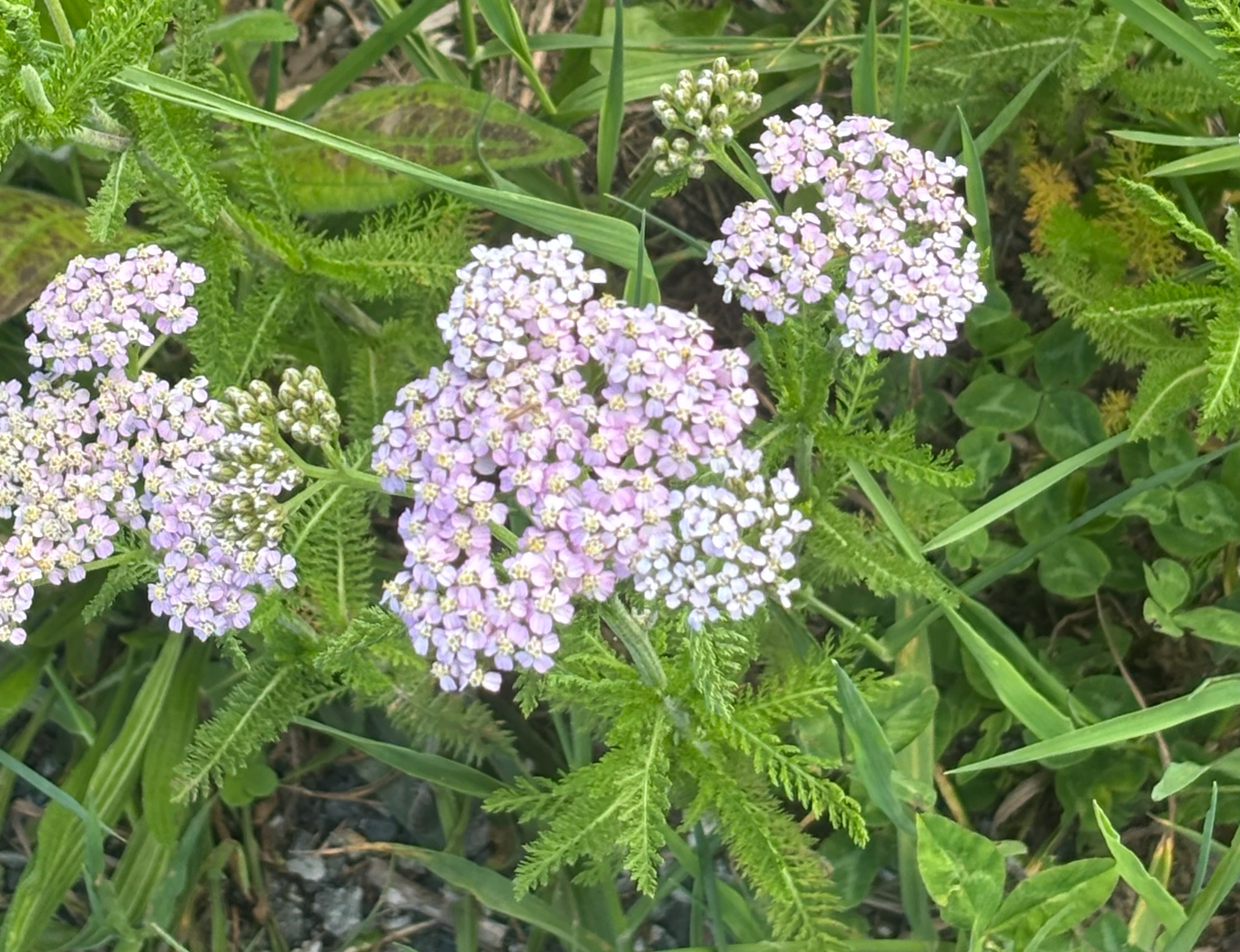
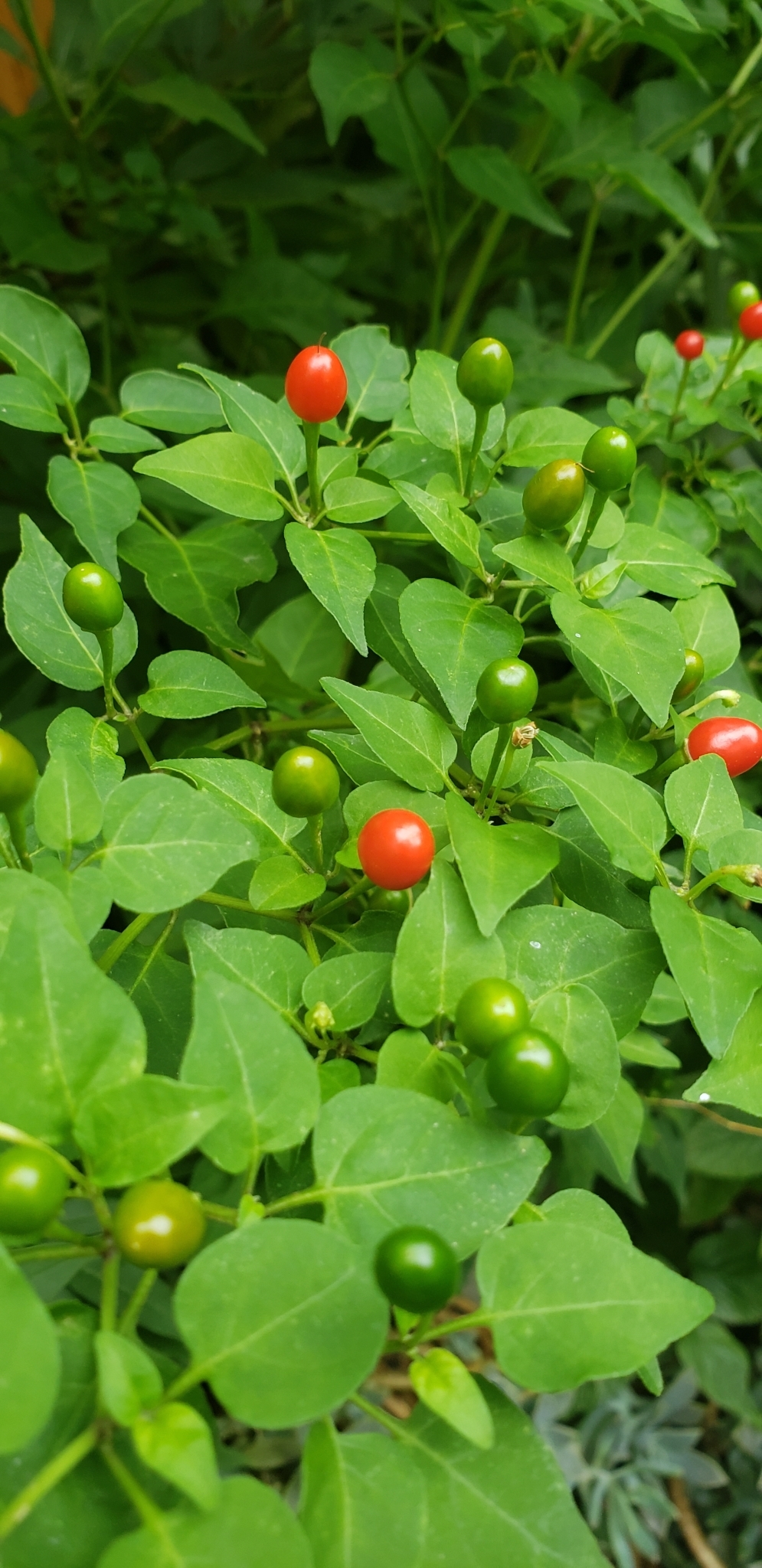
English Lavender
Lavandula angustifolia
Also known as Common Lavender, Garden Lavender, Lavender
Climate Match for your location
See how well English Lavender grows in your area.
Enter your ZIP code and we'll show you how this plant fits your local climate.
A fragrant evergreen shrub with narrow gray-green foliage and purple-blue flowers that bloom in mid to late summer. Extremely drought-tolerant and low-maintenance once established.
Why grow it
Lavandula angustifolia is a reliable choice among lavenders for temperate climates, offering better cold hardiness than many Mediterranean species. It flowers prolifically with minimal nutrient input once established, making it useful for low-input landscapes. Compared to herbaceous perennials, the woody structure provides winter interest and multi-season presence without annual replanting.
Watch out for
In humid climates with poor air circulation, plants are prone to fungal issues like root rot and powdery mildew, requiring well-draining soil and spacing for airflow. Overwatering and heavy feeding can reduce flower production and shorten plant lifespan, so restraint in supplemental irrigation and fertilizer is advisable even in poor soils.
Overview
- Form
- Growth Rate
- Size
- Dormancy
- Family
- Lamiaceae
Native Range
Mediterranean
Seasonality
Bloom Season
Harvest Season
Edible Parts
Season of Interest
Shrub
Woody multi-stem plants at eye level.
Succession Role
Tolerances & Soil
Establishment & Care
- Establishment
- Maintenance
- Propagation
A fragrant evergreen shrub with narrow gray-green foliage and purple-blue flowers that bloom in mid to late summer. Extremely drought-tolerant and low-maintenance once established.
Climate Match for your location
See how well English Lavender grows in your area.
Enter your ZIP code and we'll show you how this plant fits your local climate.
Why grow it
Lavandula angustifolia is a reliable choice among lavenders for temperate climates, offering better cold hardiness than many Mediterranean species. It flowers prolifically with minimal nutrient input once established, making it useful for low-input landscapes. Compared to herbaceous perennials, the woody structure provides winter interest and multi-season presence without annual replanting.
Watch out for
In humid climates with poor air circulation, plants are prone to fungal issues like root rot and powdery mildew, requiring well-draining soil and spacing for airflow. Overwatering and heavy feeding can reduce flower production and shorten plant lifespan, so restraint in supplemental irrigation and fertilizer is advisable even in poor soils.
Overview
- Form
- Growth Rate
- Size
- Dormancy
- Family
- Lamiaceae
Native Range
Mediterranean
Seasonality
Bloom Season
Harvest Season
Edible Parts
Season of Interest
Shrub
Woody multi-stem plants at eye level.
Succession Role
Tolerances & Soil
Establishment & Care
- Establishment
- Maintenance
- Propagation
Similar shrubs you might consider:
Enter your ZIP code to see top native species and strong climate fits for you.