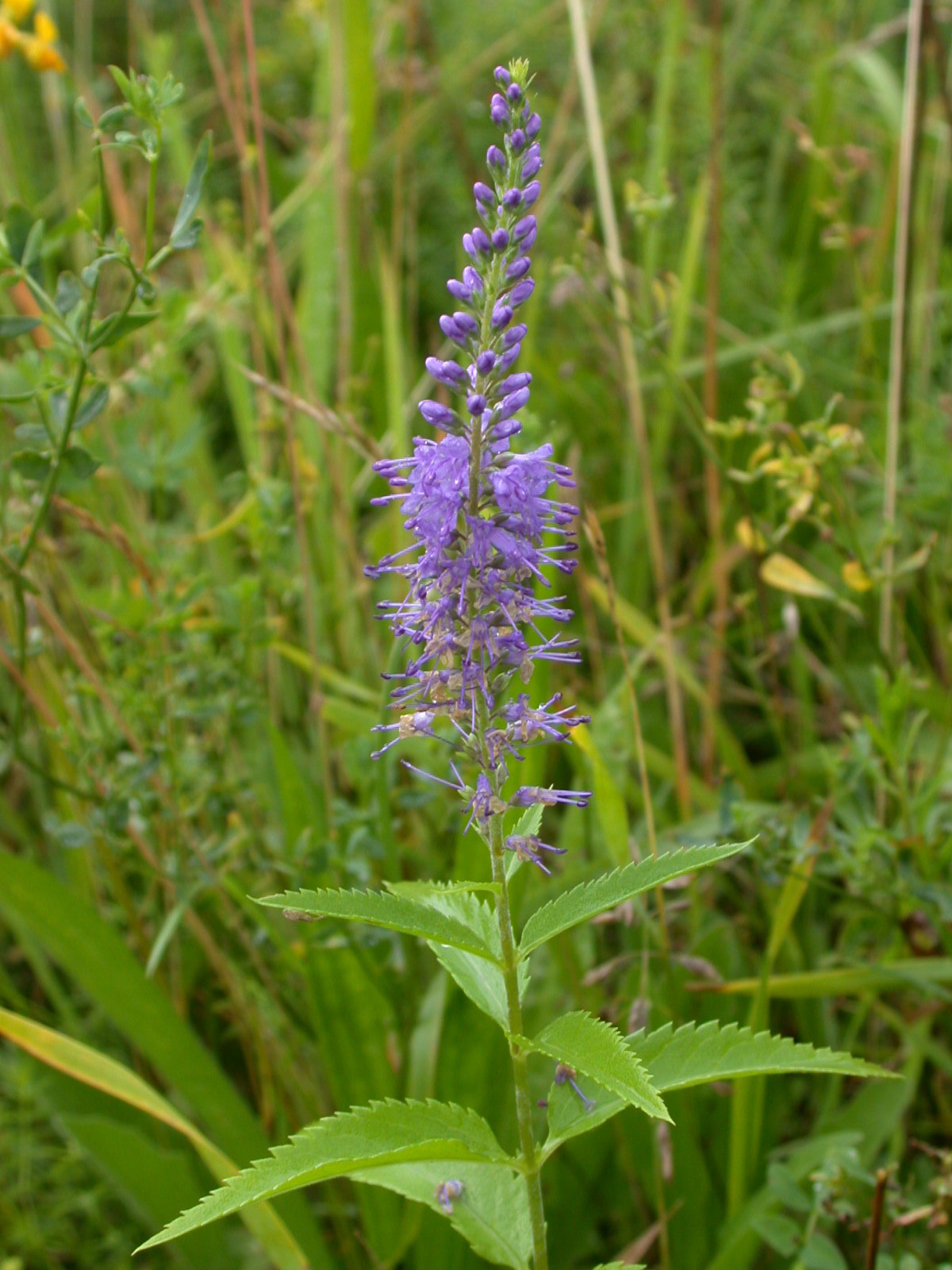
Long-leaved Speedwell
Veronica longifolia
Also listed as Pseudolysimachion longifolium
Also known as Garden Speedwell
Climate Match for your location
See how well Long-leaved Speedwell grows in your area.
Enter your ZIP code and we'll show you how this plant fits your local climate.
A tall, upright perennial with narrow leaves and spikes of small blue or purple flowers held above the foliage. It's excellent for adding vertical structure to borders and attracts pollinators.
Why grow it
Long-leaved Speedwell offers reliable vertical accent among lower-growing border perennials, with flower spikes that persist longer than many Veronica species. Its narrow foliage creates a finer textural contrast compared to broader-leafed companions, and it tolerates average garden soils without demanding rich fertility or supplemental feeding.
Watch out for
Plants may become leggy or decline in vigor after several years and benefit from division every 3 to 4 seasons to maintain compact form. In humid climates with poor air circulation, powdery mildew can affect foliage, though this is typically cosmetic rather than severely damaging.
Overview
- Form
- Growth Rate
- Size
- Dormancy
- Family
- Plantaginaceae
Native Range
Central and Eastern Europe
Seasonality
Bloom Season
Season of Interest
Herb
Soft non-woody plants of the field layer.
Succession Role
Tolerances & Soil
Establishment & Care
- Establishment
- Maintenance
- Propagation
A tall, upright perennial with narrow leaves and spikes of small blue or purple flowers held above the foliage. It's excellent for adding vertical structure to borders and attracts pollinators.
Climate Match for your location
See how well Long-leaved Speedwell grows in your area.
Enter your ZIP code and we'll show you how this plant fits your local climate.
Why grow it
Long-leaved Speedwell offers reliable vertical accent among lower-growing border perennials, with flower spikes that persist longer than many Veronica species. Its narrow foliage creates a finer textural contrast compared to broader-leafed companions, and it tolerates average garden soils without demanding rich fertility or supplemental feeding.
Watch out for
Plants may become leggy or decline in vigor after several years and benefit from division every 3 to 4 seasons to maintain compact form. In humid climates with poor air circulation, powdery mildew can affect foliage, though this is typically cosmetic rather than severely damaging.
Overview
- Form
- Growth Rate
- Size
- Dormancy
- Family
- Plantaginaceae
Native Range
Central and Eastern Europe
Seasonality
Bloom Season
Season of Interest
Herb
Soft non-woody plants of the field layer.
Succession Role
Tolerances & Soil
Establishment & Care
- Establishment
- Maintenance
- Propagation
Similar herbs you might consider:
Enter your ZIP code to see top native species and strong climate fits for you.