McMinn Manzanita
Arctostaphylos densiflora
Climate Match for your location
See how well McMinn Manzanita grows in your area.
Enter your ZIP code and we'll show you how this plant fits your local climate.
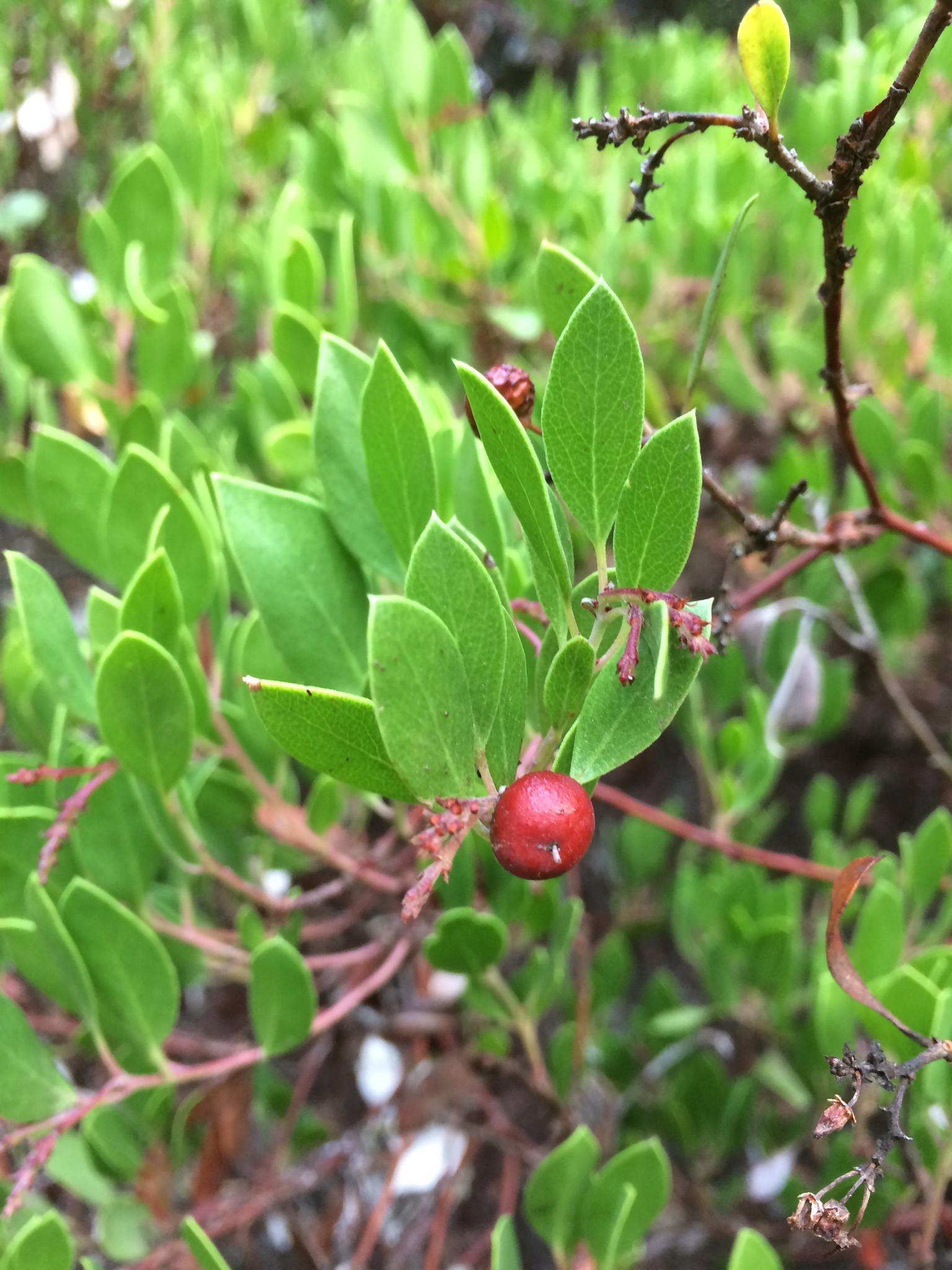
A low-spreading manzanita native to California chaparral, McMinn produces clusters of pale pink to white bell-shaped flowers in winter followed by red berries that darken to black. Highly drought-tolerant once established, it is widely used as a California native groundcover and landscape specimen.
Why grow it
McMinn Manzanita offers lower stature and denser branching than many Arctostaphylos species, making it particularly useful where a prostrate groundcover is needed rather than an upright shrub. Its winter flowering provides early-season nectar when other natives may be dormant, and its dual ornamental value (flowers and berries) extends visual interest across seasons. Compared to non-native groundcovers with similar drought tolerance, it supports native pollinators and wildlife while requiring minimal supplemental water once established in well-draining soil.
Watch out for
This manzanita prefers excellent drainage and may decline in heavy clay or poorly amended soil; amending planting holes without addressing site drainage rarely improves outcomes. Plants can take two to three years to establish a deep root system, so consistent (though infrequent) water during the first growing season aids survival better than assuming immediate drought tolerance. It typically performs best in full sun and may become leggy or decline in shade, even partial shade in humid climates.
Overview
- Form
- Growth Rate
- Size
- Dormancy
- Family
- Ericaceae
Native to the United States
Native Range
California (Sonoma County)
Native to: California
Seasonality
Bloom Season
Season of Interest
Notable Cultivars
Howard McMinn is the most common cultivar, selected for its vigorous spreading habit and suitability for erosion control and large-scale landscaping in Mediterranean climates.
Shrub
Woody multi-stem plants at eye level.
Succession Role
Tolerances & Soil
Establishment & Care
- Establishment
- Maintenance
- Propagation
A low-spreading manzanita native to California chaparral, McMinn produces clusters of pale pink to white bell-shaped flowers in winter followed by red berries that darken to black. Highly drought-tolerant once established, it is widely used as a California native groundcover and landscape specimen.
Climate Match for your location
See how well McMinn Manzanita grows in your area.
Enter your ZIP code and we'll show you how this plant fits your local climate.
Why grow it
McMinn Manzanita offers lower stature and denser branching than many Arctostaphylos species, making it particularly useful where a prostrate groundcover is needed rather than an upright shrub. Its winter flowering provides early-season nectar when other natives may be dormant, and its dual ornamental value (flowers and berries) extends visual interest across seasons. Compared to non-native groundcovers with similar drought tolerance, it supports native pollinators and wildlife while requiring minimal supplemental water once established in well-draining soil.
Watch out for
This manzanita prefers excellent drainage and may decline in heavy clay or poorly amended soil; amending planting holes without addressing site drainage rarely improves outcomes. Plants can take two to three years to establish a deep root system, so consistent (though infrequent) water during the first growing season aids survival better than assuming immediate drought tolerance. It typically performs best in full sun and may become leggy or decline in shade, even partial shade in humid climates.
Overview
- Form
- Growth Rate
- Size
- Dormancy
- Family
- Ericaceae
Native to the United States
Native Range
California (Sonoma County)
Native to: California
Seasonality
Bloom Season
Season of Interest
Shrub
Woody multi-stem plants at eye level.
Succession Role
Tolerances & Soil
Establishment & Care
- Establishment
- Maintenance
- Propagation
Similar shrubs you might consider:
Enter your ZIP code to see top native species and strong climate fits for you.
Companion Planting
Plants well with
Notable Cultivars
Howard McMinn is the most common cultivar, selected for its vigorous spreading habit and suitability for erosion control and large-scale landscaping in Mediterranean climates.