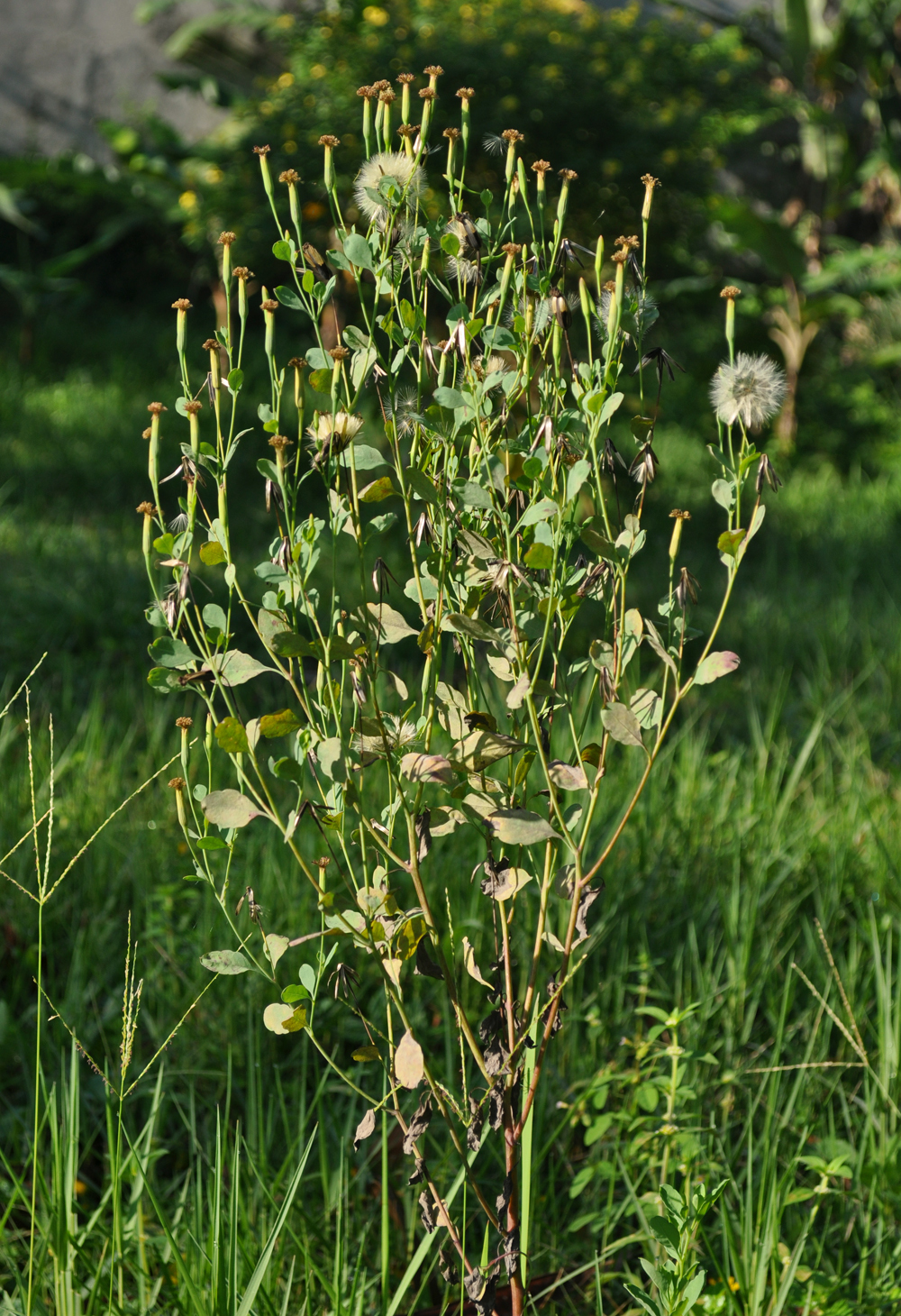
Pipicha
Porophyllum ruderale
Also listed as Cacalia ruderalis, Kleinia ruderalis
Also known as Summer Cilantro, Bolivian Coriander
Climate Match for your location
See how well Pipicha grows in your area.
Enter your ZIP code and we'll show you how this plant fits your local climate.
Pipicha is a fast-growing Mexican culinary herb with pungent, aromatic leaves used fresh in salads, salsas, and traditional dishes. It thrives in warm conditions and is grown as an annual or short-lived perennial in temperate climates.
Why grow it
Pipicha offers a distinctive flavor profile (citrusy and slightly resinous) that differs from common culinary herbs like cilantro or parsley, making it valuable for cooks seeking authentic Mexican cuisine or herb variety. It matures quickly from seed and produces harvestable leaf material within weeks under warm conditions, providing a faster turnover than many perennial herbs. In tropical or warm-temperate regions, it can persist as a short-lived perennial rather than requiring annual replanting.
Watch out for
Pipicha prefers consistent warmth and will decline noticeably in cool or short-season climates, requiring either indoor starting or late spring planting to ensure adequate growth before frost. Flavor intensity can vary with growing conditions and harvest timing, so repeated plantings may be needed to achieve consistent results for culinary use. The plant self-seeds readily in suitable climates, which can lead to volunteer seedlings in subsequent seasons.
Overview
- Form
- Growth Rate
- Size
- Dormancy
- Family
- Asteraceae
Native to the United States
Native Range
Mexico and Central America
Native to: Arizona, New Mexico, Texas
Seasonality
Bloom Season
Harvest Season
Edible Parts
Season of Interest
Herb
Soft non-woody plants of the field layer.
Tolerances & Soil
Establishment & Care
- Establishment
- Maintenance
- Years to Bearing
- Propagation
Pipicha is a fast-growing Mexican culinary herb with pungent, aromatic leaves used fresh in salads, salsas, and traditional dishes. It thrives in warm conditions and is grown as an annual or short-lived perennial in temperate climates.
Climate Match for your location
See how well Pipicha grows in your area.
Enter your ZIP code and we'll show you how this plant fits your local climate.
Why grow it
Pipicha offers a distinctive flavor profile (citrusy and slightly resinous) that differs from common culinary herbs like cilantro or parsley, making it valuable for cooks seeking authentic Mexican cuisine or herb variety. It matures quickly from seed and produces harvestable leaf material within weeks under warm conditions, providing a faster turnover than many perennial herbs. In tropical or warm-temperate regions, it can persist as a short-lived perennial rather than requiring annual replanting.
Watch out for
Pipicha prefers consistent warmth and will decline noticeably in cool or short-season climates, requiring either indoor starting or late spring planting to ensure adequate growth before frost. Flavor intensity can vary with growing conditions and harvest timing, so repeated plantings may be needed to achieve consistent results for culinary use. The plant self-seeds readily in suitable climates, which can lead to volunteer seedlings in subsequent seasons.
Overview
- Form
- Growth Rate
- Size
- Dormancy
- Family
- Asteraceae
Native to the United States
Native Range
Mexico and Central America
Native to: Arizona, New Mexico, Texas
Seasonality
Bloom Season
Harvest Season
Edible Parts
Season of Interest
Herb
Soft non-woody plants of the field layer.
Tolerances & Soil
Establishment & Care
- Establishment
- Maintenance
- Years to Bearing
- Propagation
Similar herbs you might consider:
Enter your ZIP code to see top native species and strong climate fits for you.