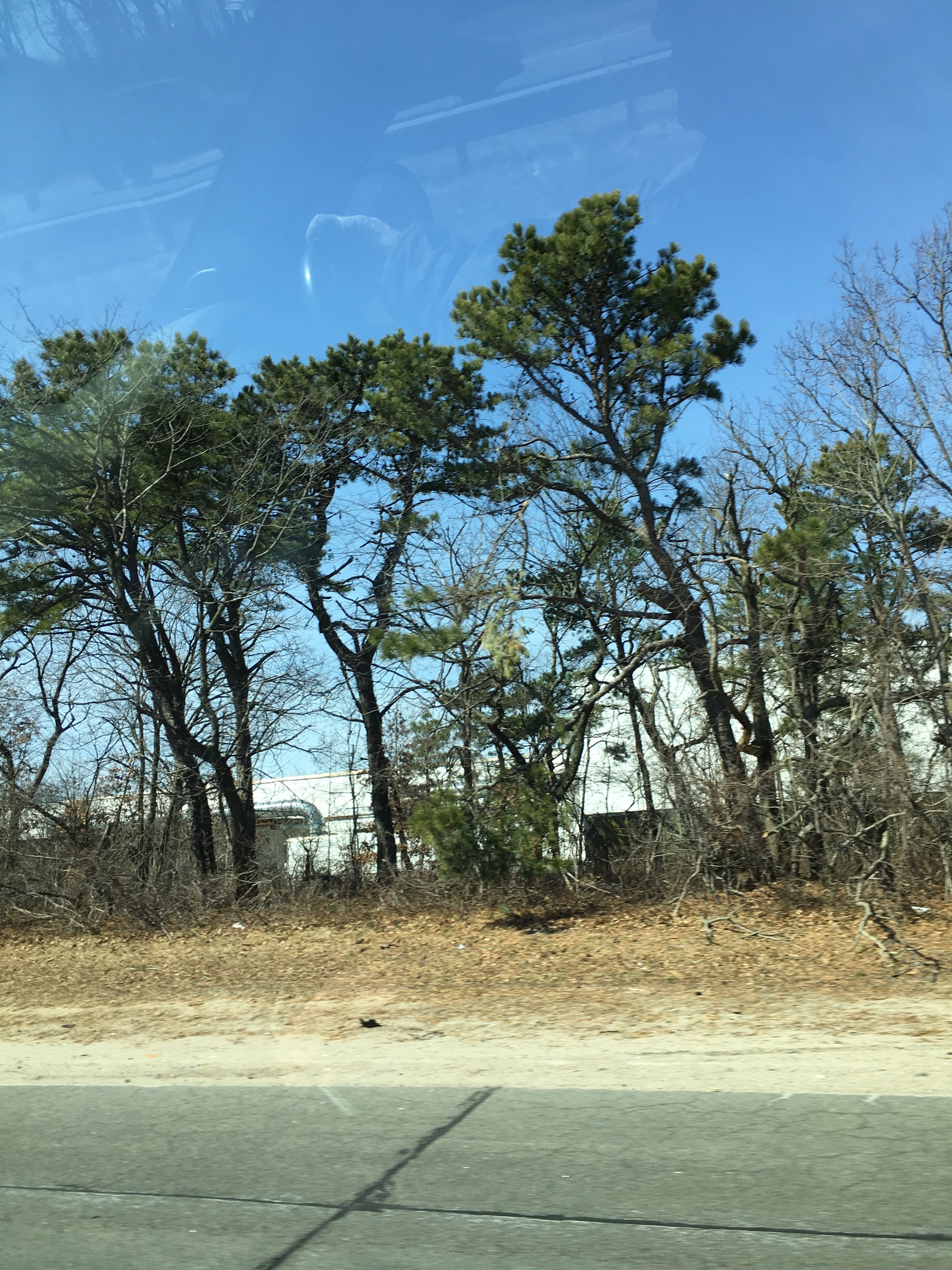
Pitch Pine
Pinus rigida
Also listed as Pinus fraseri, Pinus loddigesii
Also known as Northern Pitch Pine, Torch Pine, Sap Pine
Climate Match for your location
See how well Pitch Pine grows in your area.
Enter your ZIP code and we'll show you how this plant fits your local climate.
Pitch pine is a hardy, drought-tolerant evergreen conifer native to the eastern United States, known for its dense foliage and ability to thrive in poor, sandy soils. It is particularly valued for its resilience and winter interest in challenging landscape conditions.
Why grow it
Pitch pine offers reliable performance in low-fertility sandy and gravelly soils where many conifers struggle, making it useful for stabilizing poor sites without soil amendment. Compared to white pine or red pine, it tolerates drier conditions and rocky terrain more readily. Its multi-stemmed form and ability to resprout after damage provide visual interest and resilience in exposed settings, though growth is typically slower than faster-growing alternatives.
Watch out for
This species performs best in full sun and may thin or become leggy in shade. Pitch pine tends toward open branching and a somewhat irregular silhouette, so expectations for formal or dense screening should be adjusted. Dense needles and resinous branches can accumulate debris and benefit from occasional thinning to improve air circulation and reduce pest pressure.
Overview
- Form
- Growth Rate
- Size
- Dormancy
- Family
- Pinaceae
Native to the United States
Native Range
Eastern North America
Native to: Connecticut, Delaware, Georgia, Kentucky, Massachusetts, Maryland, Maine, North Carolina, New Hampshire, New Jersey, New York, Ohio, Pennsylvania, Rhode Island, South Carolina, Tennessee, Virginia, Vermont, West Virginia
Seasonality
Season of Interest
Canopy
The tallest trees that form the overstory.
Sub-canopy
Smaller trees living beneath the canopy.
Succession Role
Tolerances & Soil
Flood Tolerance
Deer Resistance
Inferred from USDA browse palatability
pH Range
Soil Texture
Establishment & Care
- Establishment
- Maintenance
- Propagation
Pitch pine is a hardy, drought-tolerant evergreen conifer native to the eastern United States, known for its dense foliage and ability to thrive in poor, sandy soils. It is particularly valued for its resilience and winter interest in challenging landscape conditions.
Climate Match for your location
See how well Pitch Pine grows in your area.
Enter your ZIP code and we'll show you how this plant fits your local climate.
Why grow it
Pitch pine offers reliable performance in low-fertility sandy and gravelly soils where many conifers struggle, making it useful for stabilizing poor sites without soil amendment. Compared to white pine or red pine, it tolerates drier conditions and rocky terrain more readily. Its multi-stemmed form and ability to resprout after damage provide visual interest and resilience in exposed settings, though growth is typically slower than faster-growing alternatives.
Watch out for
This species performs best in full sun and may thin or become leggy in shade. Pitch pine tends toward open branching and a somewhat irregular silhouette, so expectations for formal or dense screening should be adjusted. Dense needles and resinous branches can accumulate debris and benefit from occasional thinning to improve air circulation and reduce pest pressure.
Overview
- Form
- Growth Rate
- Size
- Dormancy
- Family
- Pinaceae
Native to the United States
Native Range
Eastern North America
Native to: Connecticut, Delaware, Georgia, Kentucky, Massachusetts, Maryland, Maine, North Carolina, New Hampshire, New Jersey, New York, Ohio, Pennsylvania, Rhode Island, South Carolina, Tennessee, Virginia, Vermont, West Virginia
Seasonality
Season of Interest
Canopy
The tallest trees that form the overstory.
Sub-canopy
Smaller trees living beneath the canopy.
Succession Role
Tolerances & Soil
Flood Tolerance
Deer Resistance
Inferred from USDA browse palatability
pH Range
Soil Texture
Establishment & Care
- Establishment
- Maintenance
- Propagation
Similar canopy trees you might consider:
Enter your ZIP code to see top native species and strong climate fits for you.