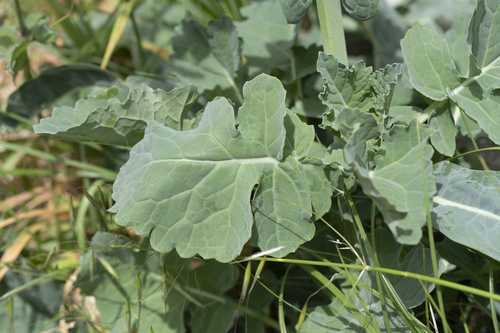
Pot Marigold
Calendula officinalis
Also listed as Calendula aurantiaca, Calendula eriocarpa
Also known as Marigold, Scotch Marigold, Garden Marigold
Climate Match for your location
See how well Pot Marigold grows in your area.
Enter your ZIP code and we'll show you how this plant fits your local climate.
A cheerful annual with bright orange or yellow daisy-like flowers that bloom prolifically in cool to warm seasons. Drought-tolerant and easy to grow, it attracts pollinators and has mild edible or medicinal properties.
Why grow it
Calendula officinalis flowers reliably across a longer season than many ornamental annuals, persisting through cool spring and fall weather when other flowers fade. It tolerates poor, dry soils better than most edible flowers, making it useful for marginal garden spaces. Among common pollinator flowers, calendula distinguishes itself by being both ornamental and harvestable for culinary or traditional herbal use without compromising garden aesthetics.
Watch out for
Calendula self-seeds prolifically and seedlings may appear in unintended locations in subsequent years. In humid climates or with overhead watering, powdery mildew and fungal issues can develop on foliage, though this typically does not prevent flowering. Extended heat and water stress can reduce bloom production, so occasional watering during dry spells maintains consistent flower output.
Overview
- Form
- Growth Rate
- Size
- Dormancy
- Family
- Asteraceae
Native Range
Mediterranean
Seasonality
Bloom Season
Harvest Season
Edible Parts
Season of Interest
Herb
Soft non-woody plants of the field layer.
Succession Role
Tolerances & Soil
Establishment & Care
- Establishment
- Maintenance
- Years to Bearing
- Propagation
A cheerful annual with bright orange or yellow daisy-like flowers that bloom prolifically in cool to warm seasons. Drought-tolerant and easy to grow, it attracts pollinators and has mild edible or medicinal properties.
Climate Match for your location
See how well Pot Marigold grows in your area.
Enter your ZIP code and we'll show you how this plant fits your local climate.
Why grow it
Calendula officinalis flowers reliably across a longer season than many ornamental annuals, persisting through cool spring and fall weather when other flowers fade. It tolerates poor, dry soils better than most edible flowers, making it useful for marginal garden spaces. Among common pollinator flowers, calendula distinguishes itself by being both ornamental and harvestable for culinary or traditional herbal use without compromising garden aesthetics.
Watch out for
Calendula self-seeds prolifically and seedlings may appear in unintended locations in subsequent years. In humid climates or with overhead watering, powdery mildew and fungal issues can develop on foliage, though this typically does not prevent flowering. Extended heat and water stress can reduce bloom production, so occasional watering during dry spells maintains consistent flower output.
Overview
- Form
- Growth Rate
- Size
- Dormancy
- Family
- Asteraceae
Native Range
Mediterranean
Seasonality
Bloom Season
Harvest Season
Edible Parts
Season of Interest
Herb
Soft non-woody plants of the field layer.
Succession Role
Tolerances & Soil
Establishment & Care
- Establishment
- Maintenance
- Years to Bearing
- Propagation
Similar herbs you might consider:
Enter your ZIP code to see top native species and strong climate fits for you.