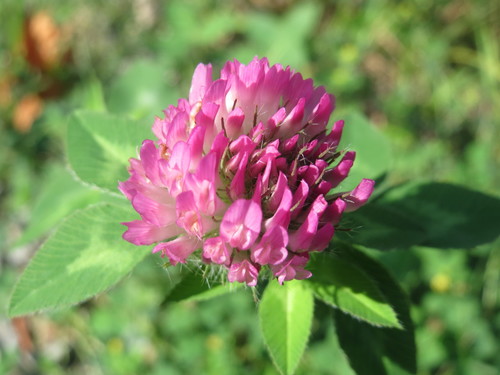
Red Currant
Ribes rubrum
Also listed as Ribes glabrum, Ribes vulgare
Also known as Common Currant, European Red Currant, Garden Red Currant
Climate Match for your location
See how well Red Currant grows in your area.
Enter your ZIP code and we'll show you how this plant fits your local climate.
Red currant is a productive deciduous shrub bearing translucent bright red berries in mid-summer, prized for fresh eating, jams, and preserves. Hardy and long-lived, it requires minimal maintenance and thrives in cool climates.
Why grow it
Red currant produces reliably high yields with less pruning and training demand than many other Ribes species, making it practical for low-input systems. The translucent berries offer distinct visual and flavor qualities compared to black currants or gooseberries, and the fruit hangs well on the branch for extended harvest windows. Cold hardiness and tolerance of partial shade give it an advantage in cooler regions where other berry crops struggle.
Watch out for
Fruit quality and yield decline noticeably without adequate air circulation, so dense plantings or sheltered sites with poor ventilation tend to underperform. Production can be inconsistent year to year in maritime climates with unpredictable spring frost timing, since flowers emerge relatively early and are frost-sensitive.
Overview
- Form
- Growth Rate
- Size
- Dormancy
- Family
- Grossulariaceae
Native Range
Europe and western Asia
Seasonality
Bloom Season
Harvest Season
Edible Parts
Season of Interest
Shrub
Woody multi-stem plants at eye level.
Succession Role
Tolerances & Soil
Establishment & Care
- Establishment
- Maintenance
- Years to Bearing
- Propagation
Red currant is a productive deciduous shrub bearing translucent bright red berries in mid-summer, prized for fresh eating, jams, and preserves. Hardy and long-lived, it requires minimal maintenance and thrives in cool climates.
Climate Match for your location
See how well Red Currant grows in your area.
Enter your ZIP code and we'll show you how this plant fits your local climate.
Why grow it
Red currant produces reliably high yields with less pruning and training demand than many other Ribes species, making it practical for low-input systems. The translucent berries offer distinct visual and flavor qualities compared to black currants or gooseberries, and the fruit hangs well on the branch for extended harvest windows. Cold hardiness and tolerance of partial shade give it an advantage in cooler regions where other berry crops struggle.
Watch out for
Fruit quality and yield decline noticeably without adequate air circulation, so dense plantings or sheltered sites with poor ventilation tend to underperform. Production can be inconsistent year to year in maritime climates with unpredictable spring frost timing, since flowers emerge relatively early and are frost-sensitive.
Overview
- Form
- Growth Rate
- Size
- Dormancy
- Family
- Grossulariaceae
Native Range
Europe and western Asia
Seasonality
Bloom Season
Harvest Season
Edible Parts
Season of Interest
Shrub
Woody multi-stem plants at eye level.
Succession Role
Tolerances & Soil
Establishment & Care
- Establishment
- Maintenance
- Years to Bearing
- Propagation
Similar shrubs you might consider:
Enter your ZIP code to see top native species and strong climate fits for you.