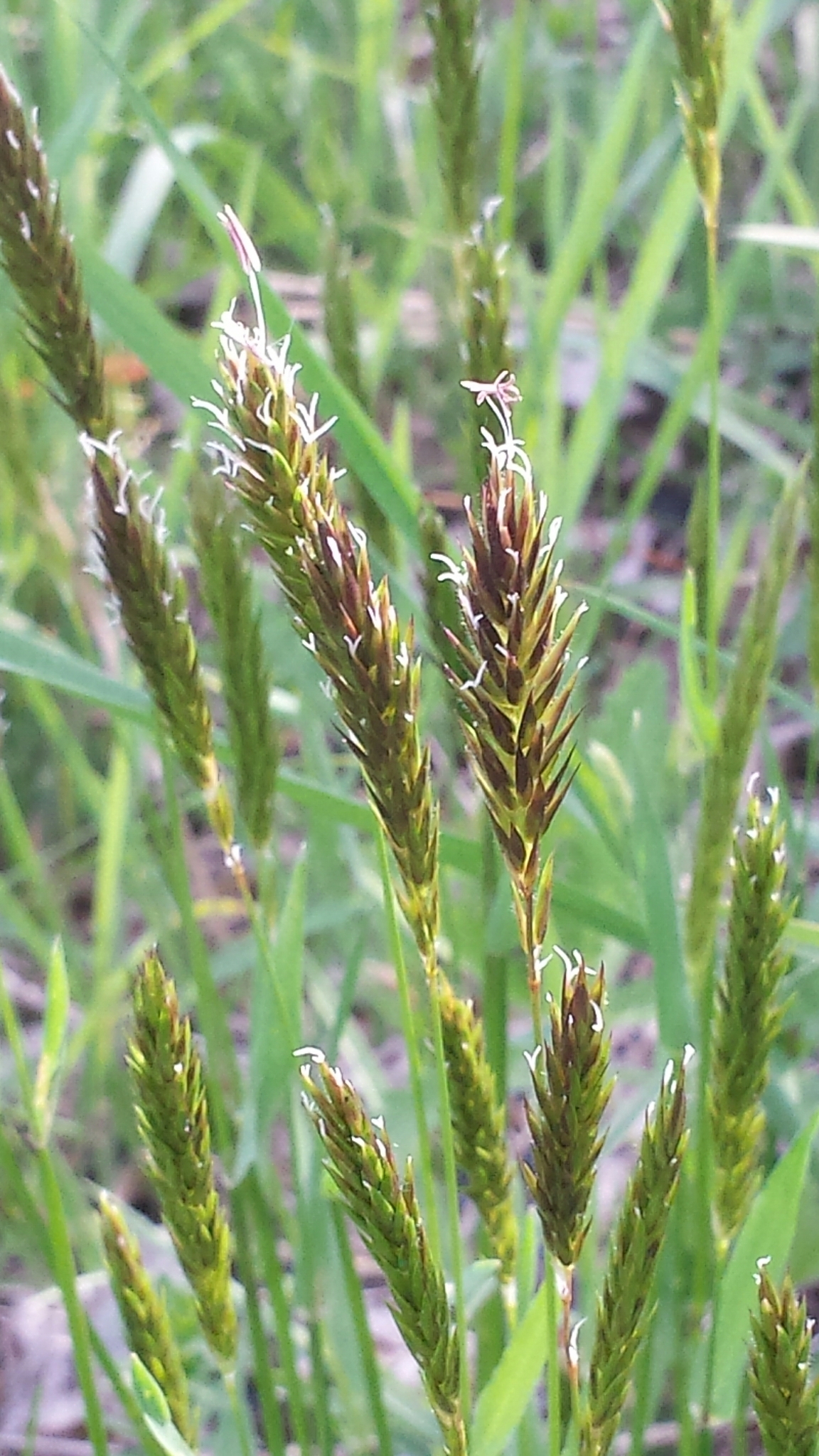
Sweet Vernal Grass
Anthoxanthum odoratum
Also listed as Anthoxanthum asperum, Anthoxanthum nebrodense
Also known as Sweet Vernal, Scented Vernal Grass, Sweet-scent Vernal Grass
Climate Match for your location
See how well Sweet Vernal Grass grows in your area.
Enter your ZIP code and we'll show you how this plant fits your local climate.
Sweet vernal grass is a fragrant cool-season grass prized for its vanilla-like scent, especially when dried or crushed. It forms neat tufts and is often used in hay meadows, ornamental plantings, and dried arrangements.
Why grow it
Sweet vernal grass distinguishes itself among cool-season forage grasses through its distinctive coumarin-derived vanilla scent, which persists when dried and makes it valuable for hay quality assessment and ornamental dried arrangements. It establishes quickly in well-drained soils and tolerates partial shade better than many turf alternatives, though it produces lower biomass than ryegrass or fescue species and is best suited to meadow and specialty plantings rather than high-traffic areas.
Watch out for
This species self-seeds readily in suitable conditions and may spread beyond intended planting areas in favorable climates. It prefers consistent moisture during establishment and performs poorly in compacted or waterlogged soils, requiring site preparation similar to other fine grasses.
Overview
- Form
- Growth Rate
- Size
- Dormancy
- Family
- Poaceae
Native Range
European
Seasonality
Bloom Season
Season of Interest
Herb
Soft non-woody plants of the field layer.
Succession Role
Tolerances & Soil
Establishment & Care
- Establishment
- Maintenance
- Propagation
Sweet vernal grass is a fragrant cool-season grass prized for its vanilla-like scent, especially when dried or crushed. It forms neat tufts and is often used in hay meadows, ornamental plantings, and dried arrangements.
Climate Match for your location
See how well Sweet Vernal Grass grows in your area.
Enter your ZIP code and we'll show you how this plant fits your local climate.
Why grow it
Sweet vernal grass distinguishes itself among cool-season forage grasses through its distinctive coumarin-derived vanilla scent, which persists when dried and makes it valuable for hay quality assessment and ornamental dried arrangements. It establishes quickly in well-drained soils and tolerates partial shade better than many turf alternatives, though it produces lower biomass than ryegrass or fescue species and is best suited to meadow and specialty plantings rather than high-traffic areas.
Watch out for
This species self-seeds readily in suitable conditions and may spread beyond intended planting areas in favorable climates. It prefers consistent moisture during establishment and performs poorly in compacted or waterlogged soils, requiring site preparation similar to other fine grasses.
Overview
- Form
- Growth Rate
- Size
- Dormancy
- Family
- Poaceae
Native Range
European
Seasonality
Bloom Season
Season of Interest
Herb
Soft non-woody plants of the field layer.
Succession Role
Tolerances & Soil
Establishment & Care
- Establishment
- Maintenance
- Propagation
Similar herbs you might consider:
Enter your ZIP code to see top native species and strong climate fits for you.