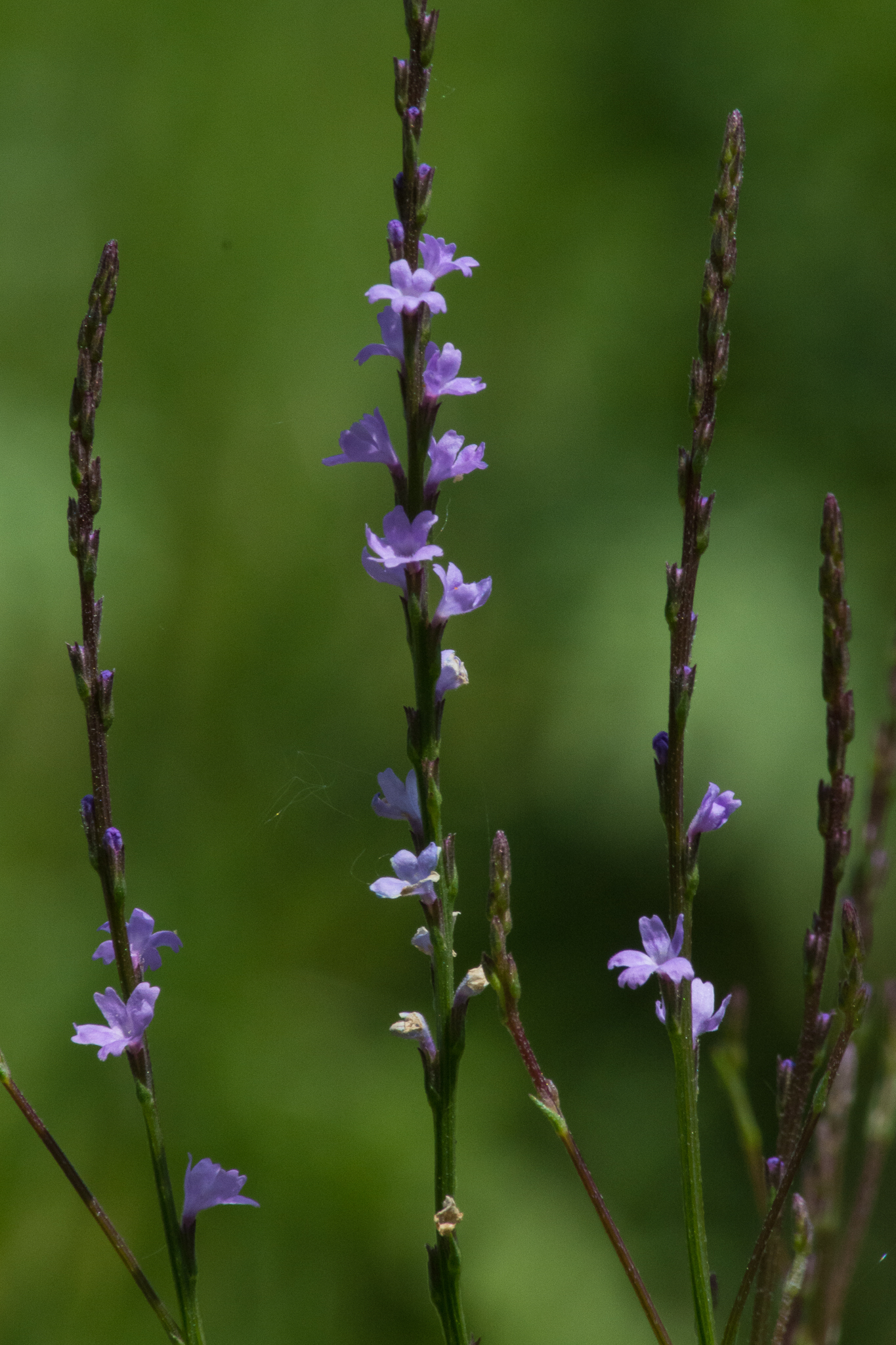
Texas Vervain
Verbena halei
Also listed as Verbena gaudichaudii, Verbena leucanthemifolia
Also known as Slender Vervain, Texas Verbena
Climate Match for your location
See how well Texas Vervain grows in your area.
Enter your ZIP code and we'll show you how this plant fits your local climate.
Texas vervain is a native wildflower with delicate purple-pink flowers on slender stems, ideal for xeriscape gardens and naturalized plantings. It thrives in hot, dry conditions and attracts pollinators with minimal care.
Why grow it
Texas vervain offers a native alternative to non-native verbena species in hot, dry regions, particularly across the south-central United States. It establishes reliably in poor or rocky soils where many ornamental alternatives struggle, and requires no supplemental irrigation once established. Compared to hybrid garden verbenas, it tends toward a more naturalistic growth habit and longer seasonal bloom, making it better suited to wildlife plantings and low-input landscapes.
Watch out for
Self-seeding can be prolific in ideal conditions, so deadheading may be necessary if you want to prevent volunteer seedlings in adjacent beds. Growth can appear sparse or leggy during establishment, particularly in the first season, but tends to fill in more densely in subsequent years. Performance may be inconsistent in areas with high summer humidity or poorly drained soils, where fungal issues become more likely.
Overview
- Form
- Growth Rate
- Size
- Dormancy
- Family
- Verbenaceae
Native to the United States
Native Range
Texas and south-central United States
Native to: Alabama, Arkansas, Florida, Georgia, Louisiana, Missouri, Mississippi, North Carolina, New Mexico, Oklahoma, South Carolina, Texas
Seasonality
Bloom Season
Season of Interest
Herb
Soft non-woody plants of the field layer.
Succession Role
Tolerances & Soil
Establishment & Care
- Establishment
- Maintenance
- Propagation
Texas vervain is a native wildflower with delicate purple-pink flowers on slender stems, ideal for xeriscape gardens and naturalized plantings. It thrives in hot, dry conditions and attracts pollinators with minimal care.
Climate Match for your location
See how well Texas Vervain grows in your area.
Enter your ZIP code and we'll show you how this plant fits your local climate.
Why grow it
Texas vervain offers a native alternative to non-native verbena species in hot, dry regions, particularly across the south-central United States. It establishes reliably in poor or rocky soils where many ornamental alternatives struggle, and requires no supplemental irrigation once established. Compared to hybrid garden verbenas, it tends toward a more naturalistic growth habit and longer seasonal bloom, making it better suited to wildlife plantings and low-input landscapes.
Watch out for
Self-seeding can be prolific in ideal conditions, so deadheading may be necessary if you want to prevent volunteer seedlings in adjacent beds. Growth can appear sparse or leggy during establishment, particularly in the first season, but tends to fill in more densely in subsequent years. Performance may be inconsistent in areas with high summer humidity or poorly drained soils, where fungal issues become more likely.
Overview
- Form
- Growth Rate
- Size
- Dormancy
- Family
- Verbenaceae
Native to the United States
Native Range
Texas and south-central United States
Native to: Alabama, Arkansas, Florida, Georgia, Louisiana, Missouri, Mississippi, North Carolina, New Mexico, Oklahoma, South Carolina, Texas
Seasonality
Bloom Season
Season of Interest
Herb
Soft non-woody plants of the field layer.
Succession Role
Tolerances & Soil
Establishment & Care
- Establishment
- Maintenance
- Propagation
Similar herbs you might consider:
Enter your ZIP code to see top native species and strong climate fits for you.