Watermint
Mentha aquatica
Also listed as Mentha citrata, Marrubium aquaticum
Also known as Mint
Climate Match for your location
See how well Watermint grows in your area.
Enter your ZIP code and we'll show you how this plant fits your local climate.
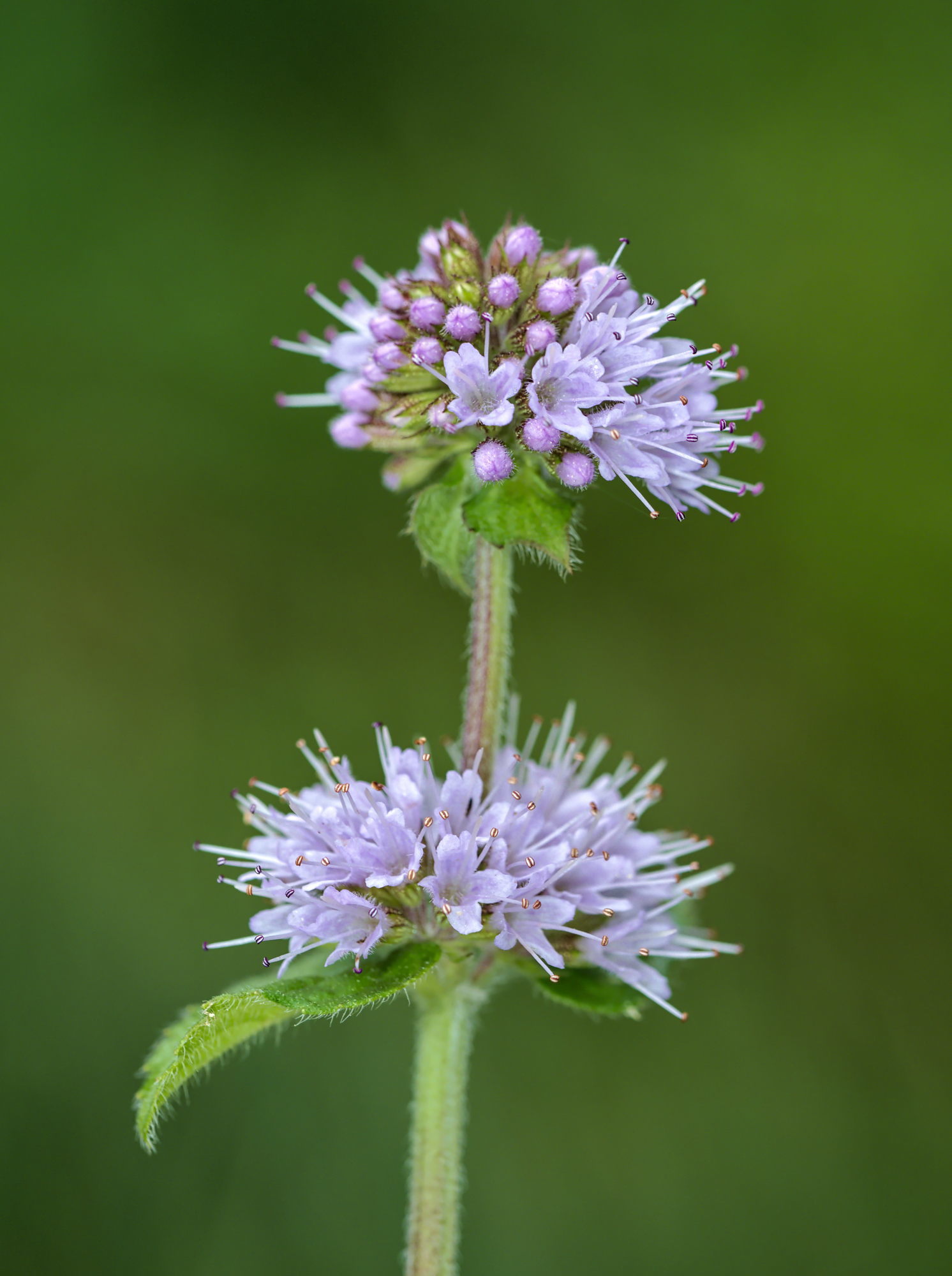
Watermint is a vigorous perennial herb with aromatic foliage and delicate pink to lilac flowers, thriving in wet conditions like pond margins and streambanks. It spreads readily and can be invasive, making it best suited for contained water garden settings.
Why grow it
Watermint tolerates consistently wet or saturated soil better than most culinary mints, making it a practical choice for bog gardens, rain gardens, and poorly drained sites where other Mentha species struggle. Its pink to lilac flowers also provide aesthetic appeal and nectar for pollinators, distinguishing it from the primarily foliage-focused common mint. Unlike some mints that prefer drier conditions, watermint's preference for moisture reduces competition in wetland niches.
Watch out for
Watermint prefers consistently moist to wet soil and may struggle or decline in standard garden beds without regular supplemental watering. In drier conditions, it becomes more compact but loses vigor. Periodic division every few years helps maintain plant health and prevents overcrowding in contained settings.
Overview
- Form
- Growth Rate
- Size
- Dormancy
- Family
- Lamiaceae
Native Range
Europe and Western Asia
Seasonality
Bloom Season
Harvest Season
Edible Parts
Season of Interest
Herb
Soft non-woody plants of the field layer.
Succession Role
Tolerances & Soil
Establishment & Care
- Establishment
- Maintenance
- Years to Bearing
- Propagation
Watermint is a vigorous perennial herb with aromatic foliage and delicate pink to lilac flowers, thriving in wet conditions like pond margins and streambanks. It spreads readily and can be invasive, making it best suited for contained water garden settings.
Climate Match for your location
See how well Watermint grows in your area.
Enter your ZIP code and we'll show you how this plant fits your local climate.
Why grow it
Watermint tolerates consistently wet or saturated soil better than most culinary mints, making it a practical choice for bog gardens, rain gardens, and poorly drained sites where other Mentha species struggle. Its pink to lilac flowers also provide aesthetic appeal and nectar for pollinators, distinguishing it from the primarily foliage-focused common mint. Unlike some mints that prefer drier conditions, watermint's preference for moisture reduces competition in wetland niches.
Watch out for
Watermint prefers consistently moist to wet soil and may struggle or decline in standard garden beds without regular supplemental watering. In drier conditions, it becomes more compact but loses vigor. Periodic division every few years helps maintain plant health and prevents overcrowding in contained settings.
Overview
- Form
- Growth Rate
- Size
- Dormancy
- Family
- Lamiaceae
Native Range
Europe and Western Asia
Seasonality
Bloom Season
Harvest Season
Edible Parts
Season of Interest
Herb
Soft non-woody plants of the field layer.
Succession Role
Tolerances & Soil
Establishment & Care
- Establishment
- Maintenance
- Years to Bearing
- Propagation
Similar herbs you might consider:
Enter your ZIP code to see top native species and strong climate fits for you.