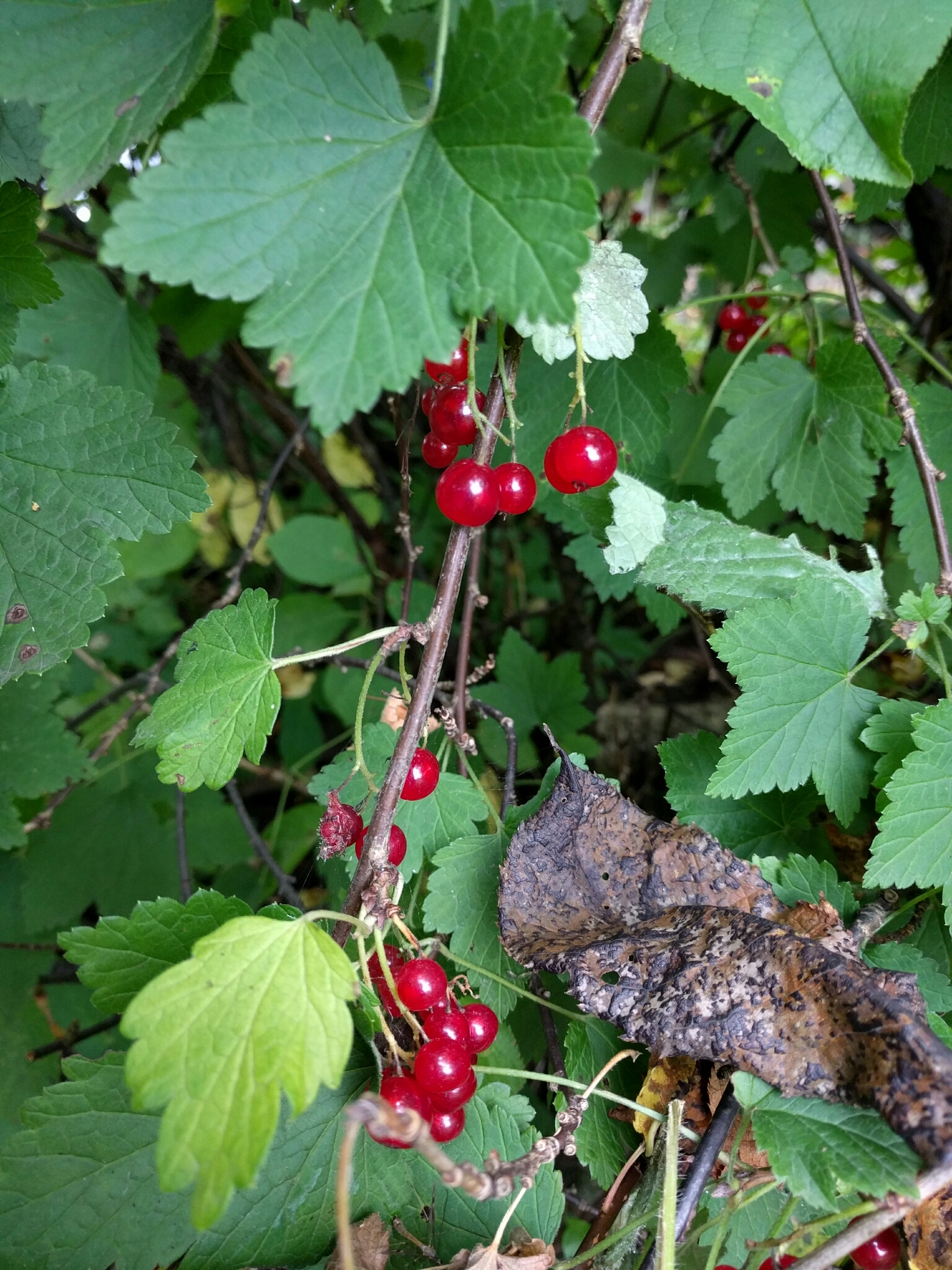
White Currant
Ribes sativum
Also listed as Ribes domesticum, Ribes glabrum
Also known as Cultivated Currant
Climate Match for your location
See how well White Currant grows in your area.
Enter your ZIP code and we'll show you how this plant fits your local climate.
White Currant is a deciduous shrub producing translucent white berries with a mild, sweet flavor, ideal for fresh eating or preserves. It thrives in cool climates and requires moderate water and full sun for best fruit production.
Why grow it
White currants offer a distinct flavor profile compared to red currants, with higher sugar content and milder acidity that some gardeners prefer for fresh eating. They produce ornamental translucent berries that add visual interest to the garden, and like other Ribes species, they establish reliably in temperate climates with minimal pest pressure. If space is limited, white currants perform similarly to red currants with equivalent yields, making variety selection largely a matter of taste preference rather than cultural advantage.
Watch out for
White currants are more prone to sunscald on exposed fruit in hot climates, so afternoon shade may be necessary in regions with intense summer heat. The berries are delicate and have a shorter shelf life than red currants, so they require prompt use or processing after harvest. Plantings benefit from consistent moisture during the growing season, as irregular watering can lead to uneven fruit development and smaller yields.
Overview
- Form
- Growth Rate
- Size
- Dormancy
- Family
- Grossulariaceae
Native Range
Europe
Seasonality
Bloom Season
Harvest Season
Edible Parts
Season of Interest
Shrub
Woody multi-stem plants at eye level.
Succession Role
Tolerances & Soil
Establishment & Care
- Establishment
- Maintenance
- Years to Bearing
- Propagation
White Currant is a deciduous shrub producing translucent white berries with a mild, sweet flavor, ideal for fresh eating or preserves. It thrives in cool climates and requires moderate water and full sun for best fruit production.
Climate Match for your location
See how well White Currant grows in your area.
Enter your ZIP code and we'll show you how this plant fits your local climate.
Why grow it
White currants offer a distinct flavor profile compared to red currants, with higher sugar content and milder acidity that some gardeners prefer for fresh eating. They produce ornamental translucent berries that add visual interest to the garden, and like other Ribes species, they establish reliably in temperate climates with minimal pest pressure. If space is limited, white currants perform similarly to red currants with equivalent yields, making variety selection largely a matter of taste preference rather than cultural advantage.
Watch out for
White currants are more prone to sunscald on exposed fruit in hot climates, so afternoon shade may be necessary in regions with intense summer heat. The berries are delicate and have a shorter shelf life than red currants, so they require prompt use or processing after harvest. Plantings benefit from consistent moisture during the growing season, as irregular watering can lead to uneven fruit development and smaller yields.
Overview
- Form
- Growth Rate
- Size
- Dormancy
- Family
- Grossulariaceae
Native Range
Europe
Seasonality
Bloom Season
Harvest Season
Edible Parts
Season of Interest
Shrub
Woody multi-stem plants at eye level.
Succession Role
Tolerances & Soil
Establishment & Care
- Establishment
- Maintenance
- Years to Bearing
- Propagation
Similar shrubs you might consider:
Enter your ZIP code to see top native species and strong climate fits for you.