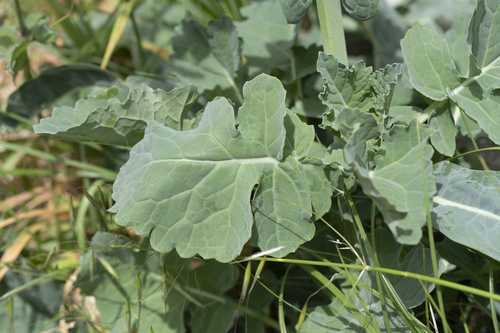
Wild Bergamot
Monarda fistulosa
Also known as Bee Balm, Wild Bergamot Beebalm, Wild Horsemint
Climate Match for your location
See how well Wild Bergamot grows in your area.
Enter your ZIP code and we'll show you how this plant fits your local climate.
A native wildflower with shaggy lavender-pink to purple flowers that bloom mid to late summer and attract bees, butterflies, and hummingbirds. It's drought-tolerant and low-maintenance once established.
Why grow it
Wild bergamot fills a niche as a native prairie perennial that tolerates poor, dry soils better than many ornamental Monarda cultivars, making it useful for xeriscaping and prairie restoration. Unlike hybrid bee balm varieties, it requires minimal deadheading and dividing, and its open flower structure appeals to a broader range of pollinators including native bees. It offers the aromatic foliage and mid-to-late season bloom timing of the genus without the powdery mildew susceptibility that affects some cultivated selections in humid climates.
Watch out for
Plants can self-seed prolifically in ideal conditions, which may require management in smaller gardens. Overcrowded plantings tend to lodge or develop poor air circulation; space adequately and thin seedlings to prevent disease pressure. Establishment from seed is slow compared to transplants, so direct sowing requires patience and weed management during the first year.
Overview
- Form
- Growth Rate
- Size
- Dormancy
- Family
- Lamiaceae
Native to the United States
Native Range
Eastern North America
Native to: Alabama, Arkansas, Arizona, Colorado, Connecticut, District of Columbia, Delaware, Georgia, Iowa, Idaho, Illinois, Indiana, Kansas, Kentucky, Louisiana, Massachusetts, Maryland, Maine, Michigan, Minnesota, Missouri, Mississippi, Montana, North Carolina, North Dakota, Nebraska, New Hampshire, New Jersey, New Mexico, New York, Ohio, Oklahoma, Oregon, Pennsylvania, Rhode Island, South Carolina, South Dakota, Tennessee, Texas, Virginia, Vermont, Washington, Wisconsin, West Virginia, Wyoming
Seasonality
Bloom Season
Harvest Season
Edible Parts
Season of Interest
Herb
Soft non-woody plants of the field layer.
Succession Role
Tolerances & Soil
Flood Tolerance
Deer Resistance
Inferred from USDA browse palatability
pH Range
Soil Texture
Establishment & Care
- Establishment
- Maintenance
- Propagation
A native wildflower with shaggy lavender-pink to purple flowers that bloom mid to late summer and attract bees, butterflies, and hummingbirds. It's drought-tolerant and low-maintenance once established.
Climate Match for your location
See how well Wild Bergamot grows in your area.
Enter your ZIP code and we'll show you how this plant fits your local climate.
Why grow it
Wild bergamot fills a niche as a native prairie perennial that tolerates poor, dry soils better than many ornamental Monarda cultivars, making it useful for xeriscaping and prairie restoration. Unlike hybrid bee balm varieties, it requires minimal deadheading and dividing, and its open flower structure appeals to a broader range of pollinators including native bees. It offers the aromatic foliage and mid-to-late season bloom timing of the genus without the powdery mildew susceptibility that affects some cultivated selections in humid climates.
Watch out for
Plants can self-seed prolifically in ideal conditions, which may require management in smaller gardens. Overcrowded plantings tend to lodge or develop poor air circulation; space adequately and thin seedlings to prevent disease pressure. Establishment from seed is slow compared to transplants, so direct sowing requires patience and weed management during the first year.
Overview
- Form
- Growth Rate
- Size
- Dormancy
- Family
- Lamiaceae
Native to the United States
Native Range
Eastern North America
Native to: Alabama, Arkansas, Arizona, Colorado, Connecticut, District of Columbia, Delaware, Georgia, Iowa, Idaho, Illinois, Indiana, Kansas, Kentucky, Louisiana, Massachusetts, Maryland, Maine, Michigan, Minnesota, Missouri, Mississippi, Montana, North Carolina, North Dakota, Nebraska, New Hampshire, New Jersey, New Mexico, New York, Ohio, Oklahoma, Oregon, Pennsylvania, Rhode Island, South Carolina, South Dakota, Tennessee, Texas, Virginia, Vermont, Washington, Wisconsin, West Virginia, Wyoming
Seasonality
Bloom Season
Harvest Season
Edible Parts
Season of Interest
Herb
Soft non-woody plants of the field layer.
Succession Role
Tolerances & Soil
Flood Tolerance
Deer Resistance
Inferred from USDA browse palatability
pH Range
Soil Texture
Establishment & Care
- Establishment
- Maintenance
- Propagation
Similar herbs you might consider:
Enter your ZIP code to see top native species and strong climate fits for you.