Wild Carrot
Daucus carota
Also listed as Caucalis carota
Also known as Queen Anne's Lace, Bishop's Lace
Climate Match for your location
See how well Wild Carrot grows in your area.
Enter your ZIP code and we'll show you how this plant fits your local climate.
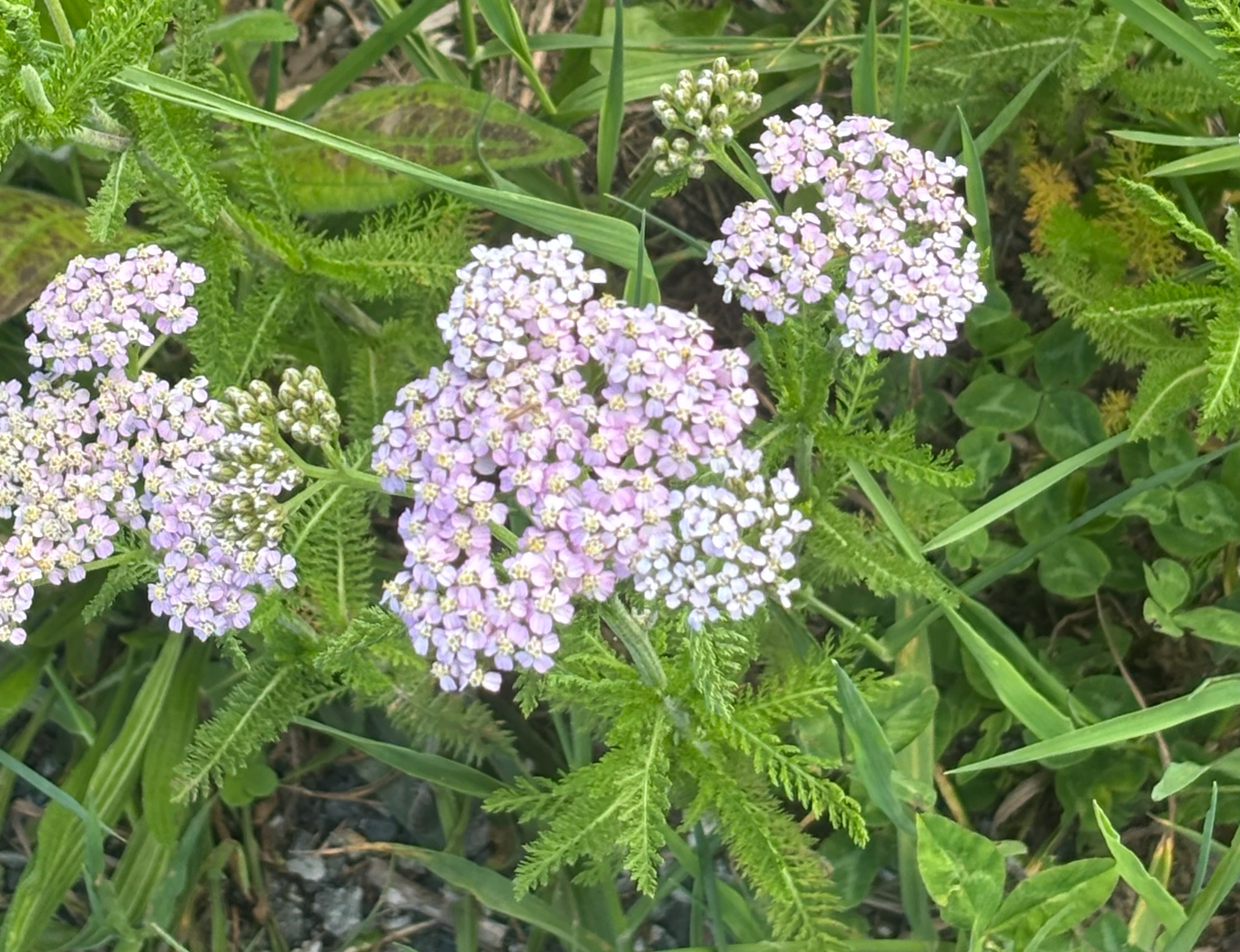
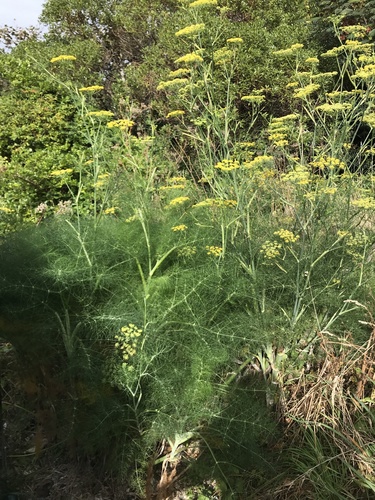
Wild carrot is a biennial herb with feathery foliage and delicate white or pale pink flower clusters atop tall stems. It is the ancestor of cultivated carrots and self-seeds readily in sunny locations.
Why grow it
Wild carrot offers a hardy alternative to cultivated varieties for permaculture systems that prioritize self-sufficiency and minimal input. Unlike domesticated carrots, it tolerates poor soils and irregular moisture, making it suitable for marginal land or integrated into perennial polycultures. The edible taproot is smaller and woodier than cultivated types, but the young leaves are edible and nutritious, and the plant provides valuable food for beneficial insects through its flowering stage.
Watch out for
First-year plants must establish before flowering in the second year, so patience is required if harvesting roots. The taproot extends deep, making mature plants difficult to hand-pull from compacted soil. Flower umbels can become dense and shade underlying vegetation, so thinning or strategic placement may be necessary in smaller plantings.
Overview
- Form
- Growth Rate
- Size
- Dormancy
- Family
- Apiaceae
Native Range
Mediterranean and temperate Asia
Seasonality
Bloom Season
Harvest Season
Edible Parts
Season of Interest
Herb
Soft non-woody plants of the field layer.
Succession Role
Tolerances & Soil
Establishment & Care
- Establishment
- Maintenance
- Years to Bearing
- Propagation
Wild carrot is a biennial herb with feathery foliage and delicate white or pale pink flower clusters atop tall stems. It is the ancestor of cultivated carrots and self-seeds readily in sunny locations.
Climate Match for your location
See how well Wild Carrot grows in your area.
Enter your ZIP code and we'll show you how this plant fits your local climate.
Why grow it
Wild carrot offers a hardy alternative to cultivated varieties for permaculture systems that prioritize self-sufficiency and minimal input. Unlike domesticated carrots, it tolerates poor soils and irregular moisture, making it suitable for marginal land or integrated into perennial polycultures. The edible taproot is smaller and woodier than cultivated types, but the young leaves are edible and nutritious, and the plant provides valuable food for beneficial insects through its flowering stage.
Watch out for
First-year plants must establish before flowering in the second year, so patience is required if harvesting roots. The taproot extends deep, making mature plants difficult to hand-pull from compacted soil. Flower umbels can become dense and shade underlying vegetation, so thinning or strategic placement may be necessary in smaller plantings.
Overview
- Form
- Growth Rate
- Size
- Dormancy
- Family
- Apiaceae
Native Range
Mediterranean and temperate Asia
Seasonality
Bloom Season
Harvest Season
Edible Parts
Season of Interest
Herb
Soft non-woody plants of the field layer.
Succession Role
Tolerances & Soil
Establishment & Care
- Establishment
- Maintenance
- Years to Bearing
- Propagation
Similar herbs you might consider:
Enter your ZIP code to see top native species and strong climate fits for you.