Wormwood
Artemisia absinthium
Also listed as Absinthium officinale, Absinthium vulgare
Climate Match for your location
See how well Wormwood grows in your area.
Enter your ZIP code and we'll show you how this plant fits your local climate.
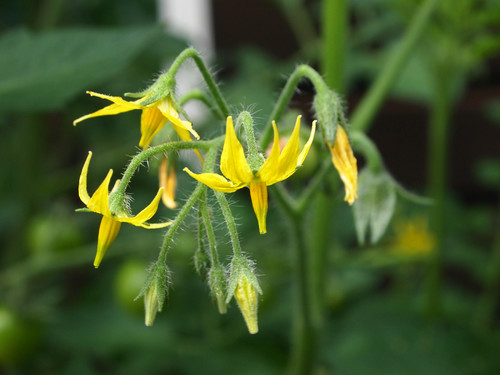
Wormwood is a bitter, aromatic perennial with finely divided silvery-green foliage and small yellow flowers. It is widely used in permaculture for its insecticidal properties, medicinal value, and ability to thrive in marginal soils.
Why grow it
Wormwood establishes readily in poor, well-drained soils where many ornamental perennials struggle, making it useful for erosion control or low-input plantings. Its allelopathic properties, documented in agronomic literature, can suppress some competing weeds, though this effect varies with growing conditions and should not be relied upon as a primary weed management tool. Compared to other Artemisia species, A. absinthium tolerates a wider range of soil pH and moisture conditions.
Watch out for
Plants may self-seed prolifically in favorable microclimates; deadheading before seed maturation helps prevent unwanted spread in nearby gardens. Foliage can scent strongly in hot weather, which some gardeners find unpleasant rather than aromatic. Wormwood's allelopathic compounds may inhibit germination or growth of nearby plants, so positioning matters in mixed plantings.
Overview
- Form
- Growth Rate
- Size
- Dormancy
- Family
- Asteraceae
Native Range
Mediterranean and temperate Asia
Seasonality
Bloom Season
Harvest Season
Edible Parts
Season of Interest
Herb
Soft non-woody plants of the field layer.
Succession Role
Tolerances & Soil
Establishment & Care
- Establishment
- Maintenance
- Propagation
Wormwood is a bitter, aromatic perennial with finely divided silvery-green foliage and small yellow flowers. It is widely used in permaculture for its insecticidal properties, medicinal value, and ability to thrive in marginal soils.
Climate Match for your location
See how well Wormwood grows in your area.
Enter your ZIP code and we'll show you how this plant fits your local climate.
Why grow it
Wormwood establishes readily in poor, well-drained soils where many ornamental perennials struggle, making it useful for erosion control or low-input plantings. Its allelopathic properties, documented in agronomic literature, can suppress some competing weeds, though this effect varies with growing conditions and should not be relied upon as a primary weed management tool. Compared to other Artemisia species, A. absinthium tolerates a wider range of soil pH and moisture conditions.
Watch out for
Plants may self-seed prolifically in favorable microclimates; deadheading before seed maturation helps prevent unwanted spread in nearby gardens. Foliage can scent strongly in hot weather, which some gardeners find unpleasant rather than aromatic. Wormwood's allelopathic compounds may inhibit germination or growth of nearby plants, so positioning matters in mixed plantings.
Overview
- Form
- Growth Rate
- Size
- Dormancy
- Family
- Asteraceae
Native Range
Mediterranean and temperate Asia
Seasonality
Bloom Season
Harvest Season
Edible Parts
Season of Interest
Herb
Soft non-woody plants of the field layer.
Succession Role
Tolerances & Soil
Establishment & Care
- Establishment
- Maintenance
- Propagation
Similar herbs you might consider:
Enter your ZIP code to see top native species and strong climate fits for you.