Showing 7 of 7 plants
Showing 7 of 7 plants
🌿 Climate Match
See plants matched to your local climate
Enter your ZIP and the best choices for your yard rise to the top.
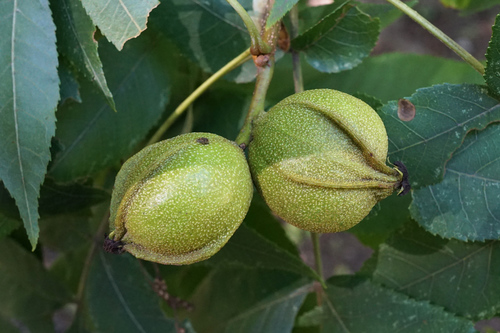
Bitternut Hickory
Carya cordiformis
treeA native hardwood tree valued for its hard wood and edible nuts enclosed in a thin, bitter husk. It develops golden-yellow fall color and tolerates a range of soil conditions.
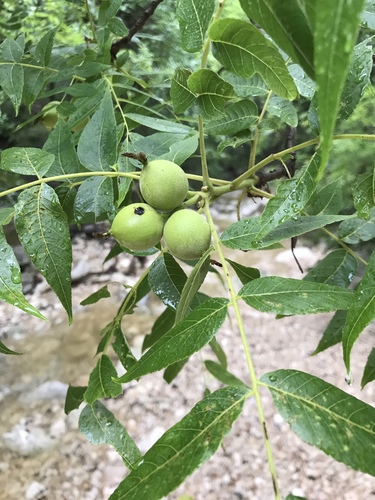
Eastern Black Walnut
Juglans nigra
treeA large deciduous tree native to eastern North America, valued for its dark wood and edible nuts, though it produces allelopathic compounds that inhibit nearby plants. It develops a broad, spreading canopy and displays attractive golden fall foliage.

Northern California Black Walnut
Juglans hindsii
treeA large native California walnut tree valued for its edible nuts and deep root system. Produces aromatic foliage and substantial shade, though the juglone compound it releases can inhibit growth of nearby plants.
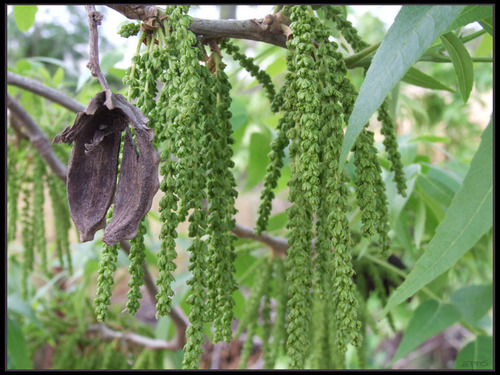
Pecan
Carya illinoinensis
treeA large deciduous tree prized for its edible nut crop, featuring compound leaves that turn golden in fall. Requires space, warm growing conditions, and cross-pollination for best production.
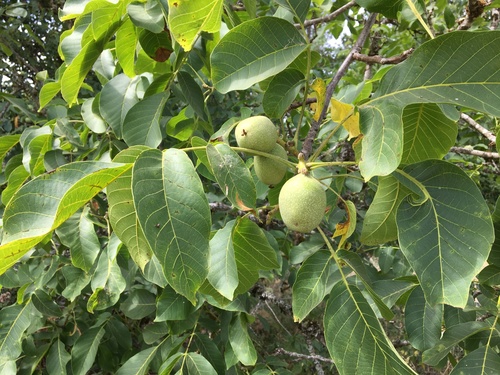
Persian Walnut
Juglans regia
treeA large deciduous tree prized for its edible walnuts and attractive spreading canopy. It produces catkins in spring and bears hard-shelled nuts in fall.

Pignut Hickory
Carya glabra
treePignut hickory is a tall, deciduous hardwood tree native to eastern North America, valued for its strong wood and small edible nuts. It displays attractive golden-bronze fall foliage and adapts well to a range of soil conditions.
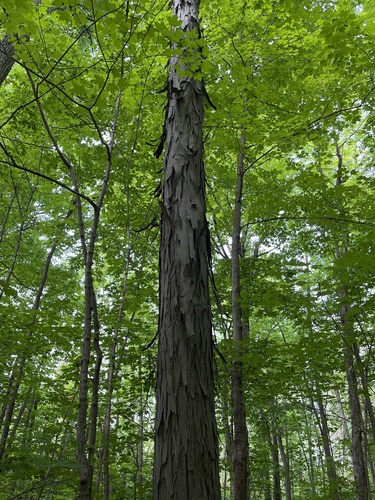
Shagbark Hickory
Carya ovata
treeA large native deciduous tree valued for its distinctive shaggy gray bark, compound leaves that turn golden-bronze in fall, and edible nuts. It requires space to mature but provides excellent shade and wildlife food.