Showing 12 of 12 plants
Showing 12 of 12 plants
🌿 Climate Match
See plants matched to your local climate
Enter your ZIP and the best choices for your yard rise to the top.
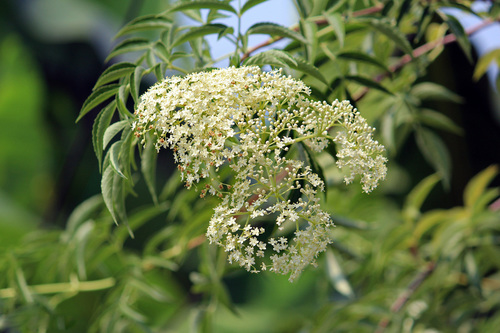
American Black Elderberry
Sambucus canadensis
shrubA native deciduous shrub prized for its large clusters of white flowers in late spring and abundant black berries in late summer that attract wildlife. The berries are edible and commonly used for jams, syrups, and elderberry products.
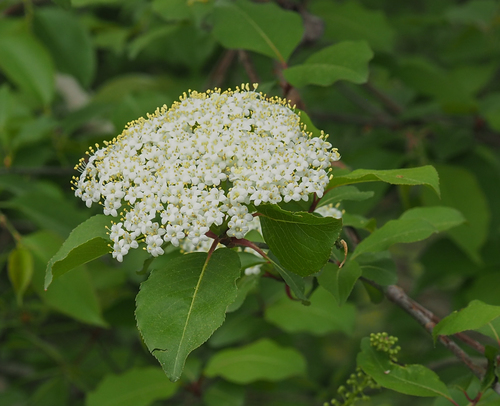
Blackhaw
Viburnum prunifolium
shrubBlackhaw is a native deciduous shrub prized for its fragrant white flower clusters in spring and striking blue-black fruits and burgundy fall foliage. It's a low-maintenance plant excellent for wildlife and naturalized landscapes.
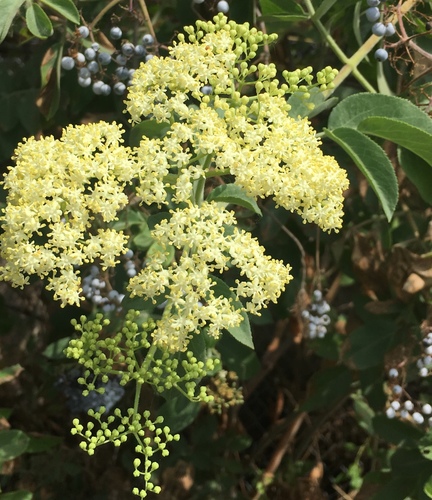
Blue Elder
Sambucus cerulea
shrubA fast-growing native shrub or small tree with flat-topped white flower clusters followed by distinctive blue-gray berries that are popular with birds. It naturally occurs in moist areas from the Pacific Northwest to Mexico and prefers full sun with moderate water.
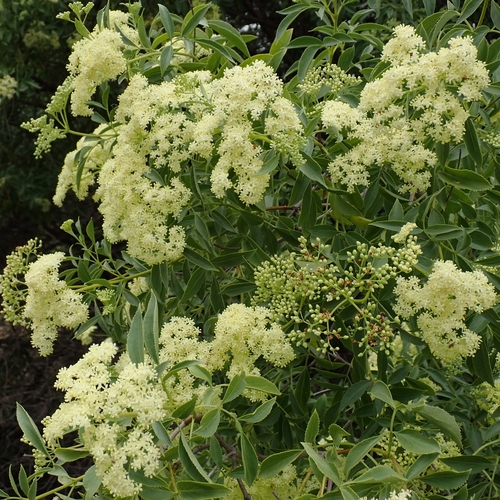
Blue Elderberry
Sambucus mexicana
shrubBlue Elderberry is a deciduous shrub native to the southwestern United States and Mexico, valued for its blue-black berries used in jams, syrups, and traditional medicine. It thrives in dry to moderate moisture conditions and provides excellent food and habitat for wildlife.
European Black Elderberry
Sambucus nigra
shrubA vigorous deciduous shrub producing creamy-white flower clusters in late spring followed by dark purple-black berries in late summer, valued for culinary and medicinal uses. Attracts birds and wildlife while offering ornamental interest throughout the growing season.

Guelder-rose
Viburnum opulus
shrubA deciduous shrub prized for its showy white lacecap flowers in spring, followed by bright red berries that attract wildlife and persist into winter. The foliage turns vibrant red and burgundy in autumn.

Highbush Cranberry
Viburnum trilobum
shrubA native North American shrub with flat white flower clusters and bright red berries that persist into winter, valued for wildlife food and ornamental interest. Extremely hardy and adaptable with attractive lobed foliage that turns deep red in fall.
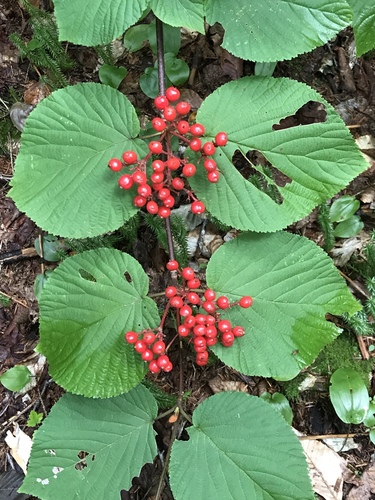
Hobblebush
Viburnum lantanoides
shrubA native deciduous shrub with distinctive horizontal branching and white flower clusters in late spring, followed by red berries that ripen to blue-black. Named for its arching branches that hobble along the ground.
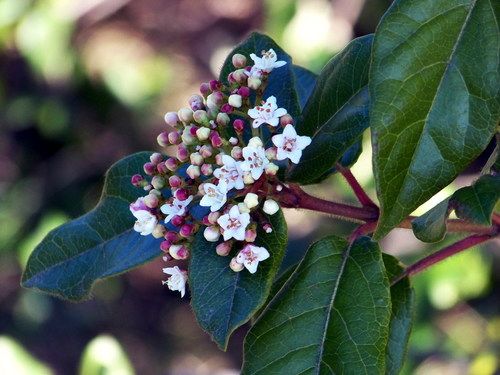
Laurustinus Viburnum
Viburnum tinus
shrubA dense evergreen shrub valued for its dark glossy foliage and fragrant clusters of white to pale pink flowers that bloom in late fall and winter. Excellent for hedging, screening, or specimen planting in mild climates.
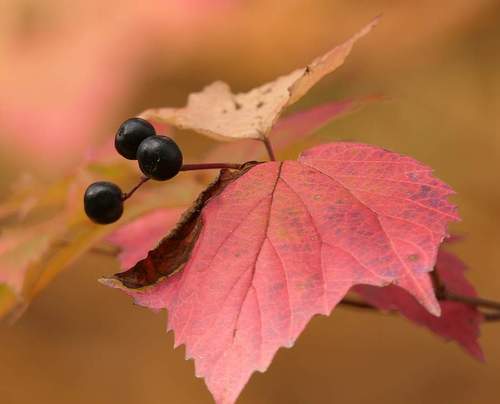
Mapleleaf Viburnum
Viburnum acerifolium
shrubA native woodland shrub prized for its distinctive three-lobed maple-like leaves that turn wine-red in fall. It produces small white flowers in spring followed by blue-black berries that attract birds.
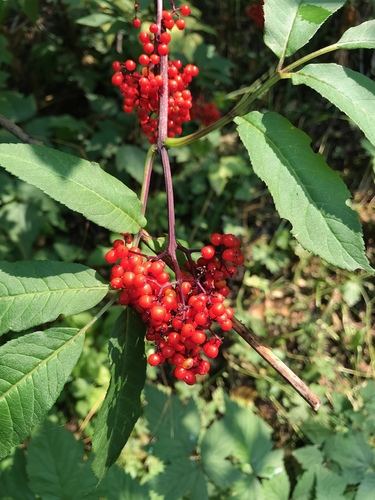
Red-berried Elder
Sambucus racemosa
shrubA deciduous shrub prized for its bright red berries that ripen in early summer and persist into fall. It produces fragrant white flower clusters in spring followed by ornamental fruit that attracts birds.
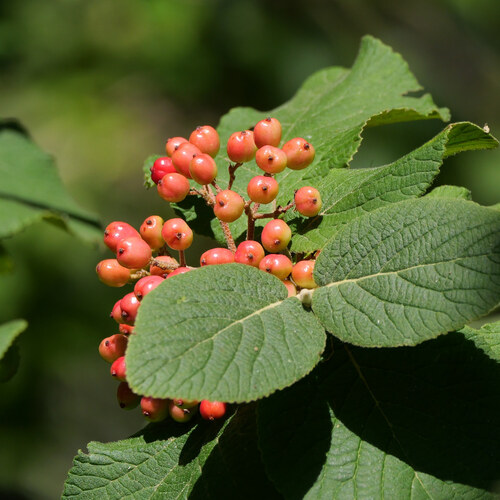
Wayfaring-tree
Viburnum lantana
shrubA deciduous shrub prized for its flat white flower clusters in late spring, followed by attractive red berries that turn black as they mature. Its foliage provides excellent fall color, making it a four-season ornamental for woodland gardens and naturalized settings.