Common Hawthorn
Crataegus monogyna
Also listed as Crataegus alemanniensis, Crataegus aegeica
Also known as Hawthorn, Oneseed Hawthorn, English Hawthorn
Climate Match for your location
See how well Common Hawthorn grows in your area.
Enter your ZIP code and we'll show you how this plant fits your local climate.
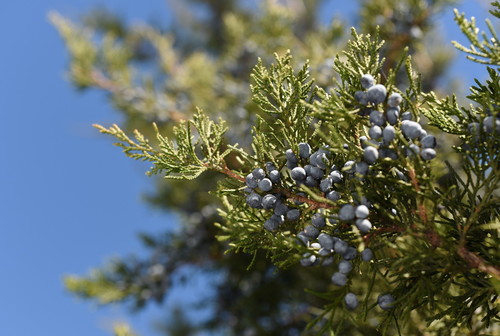
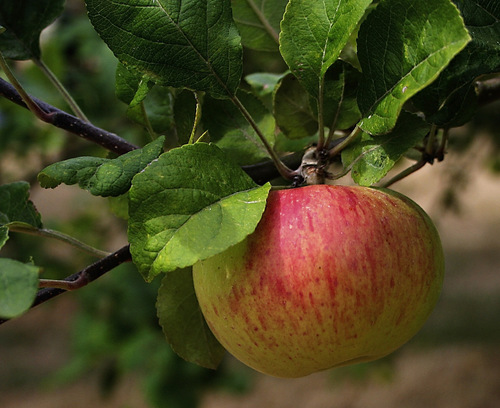
A hardy, thorny shrub with white spring flowers followed by small red berries in autumn. Attracts wildlife and requires minimal maintenance once established.
Why grow it
Common hawthorn offers reliable wildlife value and food production with less ongoing management than many ornamental shrubs. Compared to other Crataegus species, C. monogyna establishes readily in poor soils and marginal sites, making it useful for erosion control or shelter belts. Its berries persist through winter and support birds when other forage is scarce. In permaculture systems, it serves as a hardy nitrogen-fixing pioneer species and a living fence without requiring regular pruning.
Watch out for
Hawthorn can take 3-5 years to reach productive maturity, so patience is needed before significant fruit or wildlife benefit appears. Dense growth can harbor pest species and disease fungi if air circulation is poor, particularly in humid climates. Self-seeding occurs readily where conditions suit the plant, which may require monitoring in smaller gardens or near sensitive native plant communities.
Overview
- Form
- Growth Rate
- Size
- Dormancy
- Family
- Rosaceae
Native Range
Europe, western Asia, North Africa
Seasonality
Bloom Season
Harvest Season
Edible Parts
Season of Interest
Shrub
Woody multi-stem plants at eye level.
Succession Role
Tolerances & Soil
Flood Tolerance
Deer Resistance
Inferred from USDA browse palatability
pH Range
Soil Texture
Establishment & Care
- Establishment
- Maintenance
- Years to Bearing
- Propagation
A hardy, thorny shrub with white spring flowers followed by small red berries in autumn. Attracts wildlife and requires minimal maintenance once established.
Climate Match for your location
See how well Common Hawthorn grows in your area.
Enter your ZIP code and we'll show you how this plant fits your local climate.
Why grow it
Common hawthorn offers reliable wildlife value and food production with less ongoing management than many ornamental shrubs. Compared to other Crataegus species, C. monogyna establishes readily in poor soils and marginal sites, making it useful for erosion control or shelter belts. Its berries persist through winter and support birds when other forage is scarce. In permaculture systems, it serves as a hardy nitrogen-fixing pioneer species and a living fence without requiring regular pruning.
Watch out for
Hawthorn can take 3-5 years to reach productive maturity, so patience is needed before significant fruit or wildlife benefit appears. Dense growth can harbor pest species and disease fungi if air circulation is poor, particularly in humid climates. Self-seeding occurs readily where conditions suit the plant, which may require monitoring in smaller gardens or near sensitive native plant communities.
Overview
- Form
- Growth Rate
- Size
- Dormancy
- Family
- Rosaceae
Native Range
Europe, western Asia, North Africa
Seasonality
Bloom Season
Harvest Season
Edible Parts
Season of Interest
Shrub
Woody multi-stem plants at eye level.
Succession Role
Tolerances & Soil
Flood Tolerance
Deer Resistance
Inferred from USDA browse palatability
pH Range
Soil Texture
Establishment & Care
- Establishment
- Maintenance
- Years to Bearing
- Propagation
Similar shrubs you might consider:
Enter your ZIP code to see top native species and strong climate fits for you.