Showing 24 of 99 plants
Showing 24 of 99 plants
🌿 Climate Match
See plants matched to your local climate
Enter your ZIP and the best choices for your yard rise to the top.
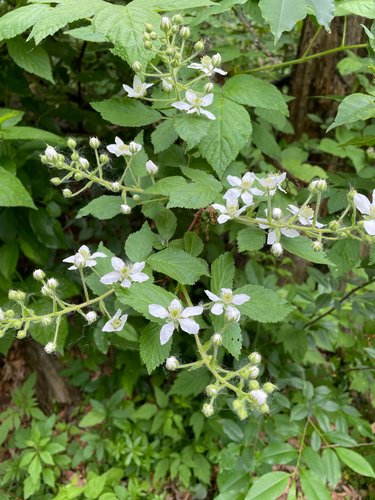
Allegheny Blackberry
Rubus allegheniensis
shrubA thorny native bramble producing sweet black berries in mid-summer. Vigorous and spreading, it thrives in open areas and is valuable for wildlife.

Almond
Prunus amygdalus
treeA medium-sized deciduous tree valued for its nutritious nuts, featuring fragrant pink or white blossoms in early spring and attractive feathery foliage. Highly drought-tolerant once established, making it excellent for arid and Mediterranean climates.
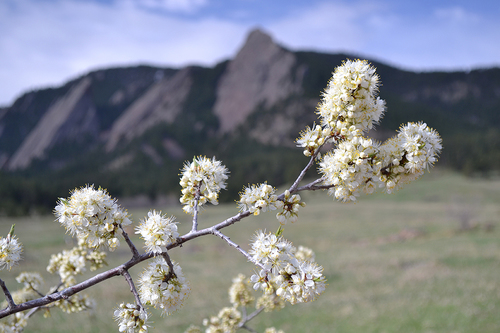
American Plum
Prunus americana
treeA native North American tree producing clusters of fragrant white flowers in spring followed by edible red to yellow plums. Hardy and wildlife-friendly, it tolerates poor soils and serves well in permaculture systems for food and habitat.
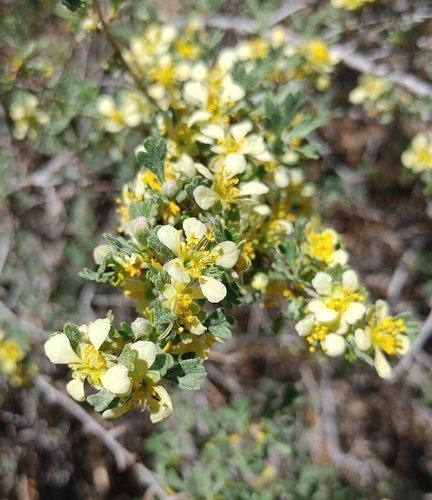
Antelope Bitterbush
Purshia tridentata
shrubA low-growing, drought-tolerant native shrub with small yellow flowers in spring and feathery seed heads. Highly adapted to arid and semi-arid regions.
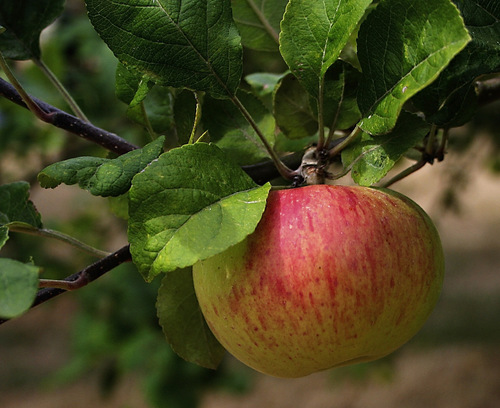
Apple
Malus domestica
treeA deciduous fruit tree that produces crisp, sweet to tart apples in late summer and fall. Requires full sun and moderate watering, with spring white-pink blossoms and golden-red autumn foliage.
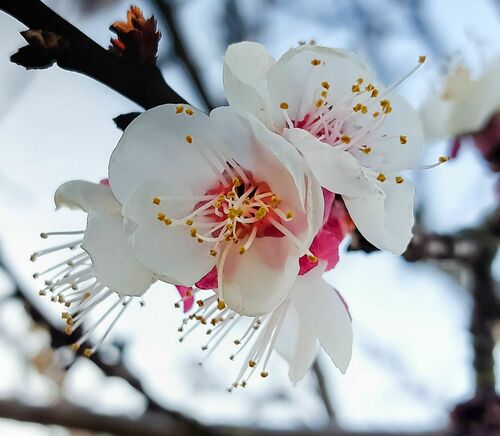
Apricot
Prunus armeniaca
treeApricot is a deciduous tree that produces fragrant white to pale pink blossoms in early spring, followed by golden-orange stone fruits in summer. It thrives in full sun and well-drained soil, making it ideal for home orchards in temperate climates.
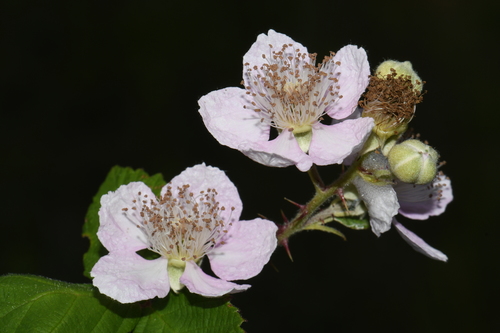
Armenian Blackberry
Rubus armeniacus
shrubA vigorous, thorny blackberry shrub producing dark purple berries in summer. Highly invasive in many regions but valued for its prolific fruit production.
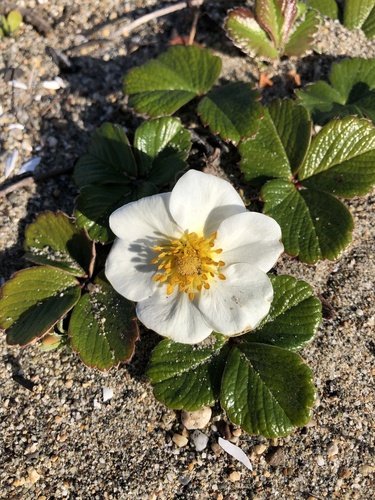
Beach Strawberry
Fragaria chiloensis
groundcoverBeach Strawberry is a low-growing evergreen groundcover with white flowers and large, sweet red berries. It thrives in sandy coastal conditions and makes an excellent edible landscape plant.
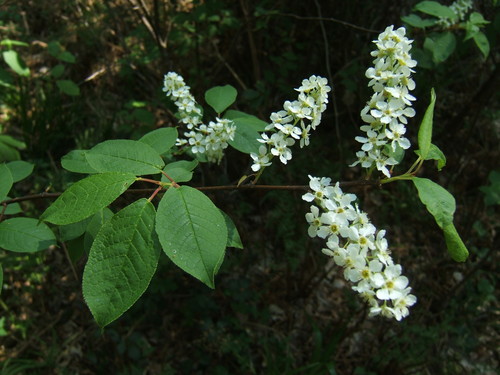
Bird Cherry
Prunus padus
treeA deciduous tree valued for its fragrant white flower clusters in spring and small black cherries that attract birds in summer. Hardy and adaptable, it makes an excellent ornamental and wildlife-friendly specimen for larger gardens.
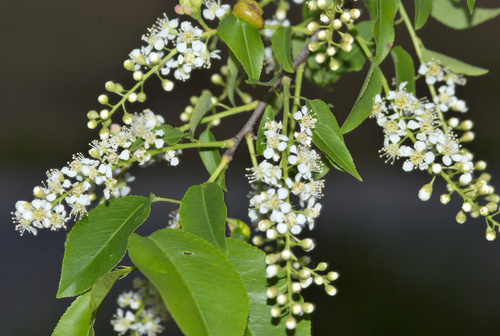
Black Cherry
Prunus serotina
treeA native deciduous tree prized for its small black fruits that attract wildlife and its attractive fall foliage. Grows vigorously and is valuable for naturalizing in woodlands and informal landscapes.
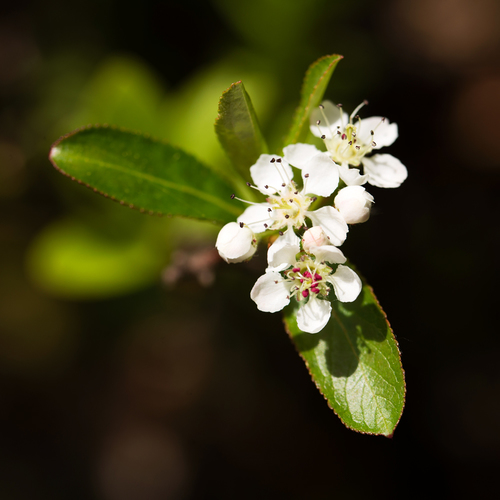
Black Chokeberry
Aronia melanocarpa
shrubBlack chokeberry is a hardy deciduous shrub prized for its white spring flowers, dark purple berries, and brilliant red fall foliage. It thrives in poor soils where many ornamentals struggle and provides food for wildlife while tolerating wet conditions.
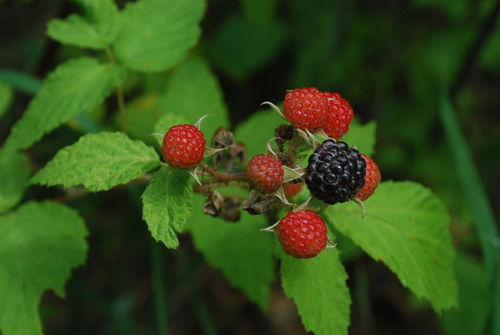
Black Raspberry
Rubus occidentalis
shrubBlack raspberry is a thorny deciduous shrub that produces sweet, dark berries in mid-summer, excellent for fresh eating or preserves. It spreads via root suckers and requires regular pruning to maintain productivity.
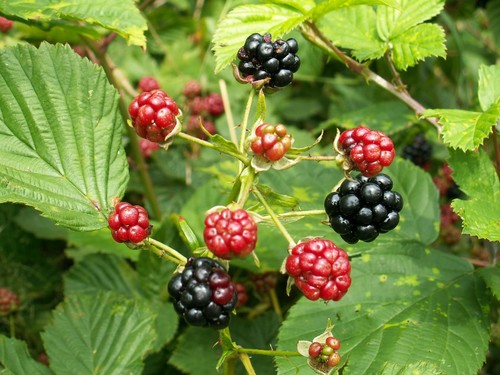
Blackberry
Rubus fruticosus
shrubA vigorous thorny shrub producing delicious black berries in summer, highly productive and often naturalized in disturbed areas. Excellent for food production, wildlife habitat, and erosion control in permaculture systems.
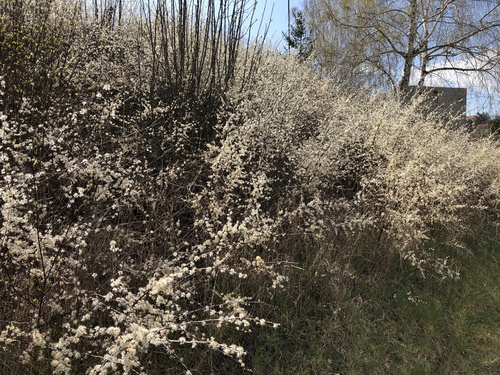
Blackthorn
Prunus spinosa
shrubA thorny deciduous shrub prized for its early white blossoms in spring and small blue-black fruits (sloes) used for gin and preserves. Hardy and drought-tolerant once established, it makes an excellent hedging plant.
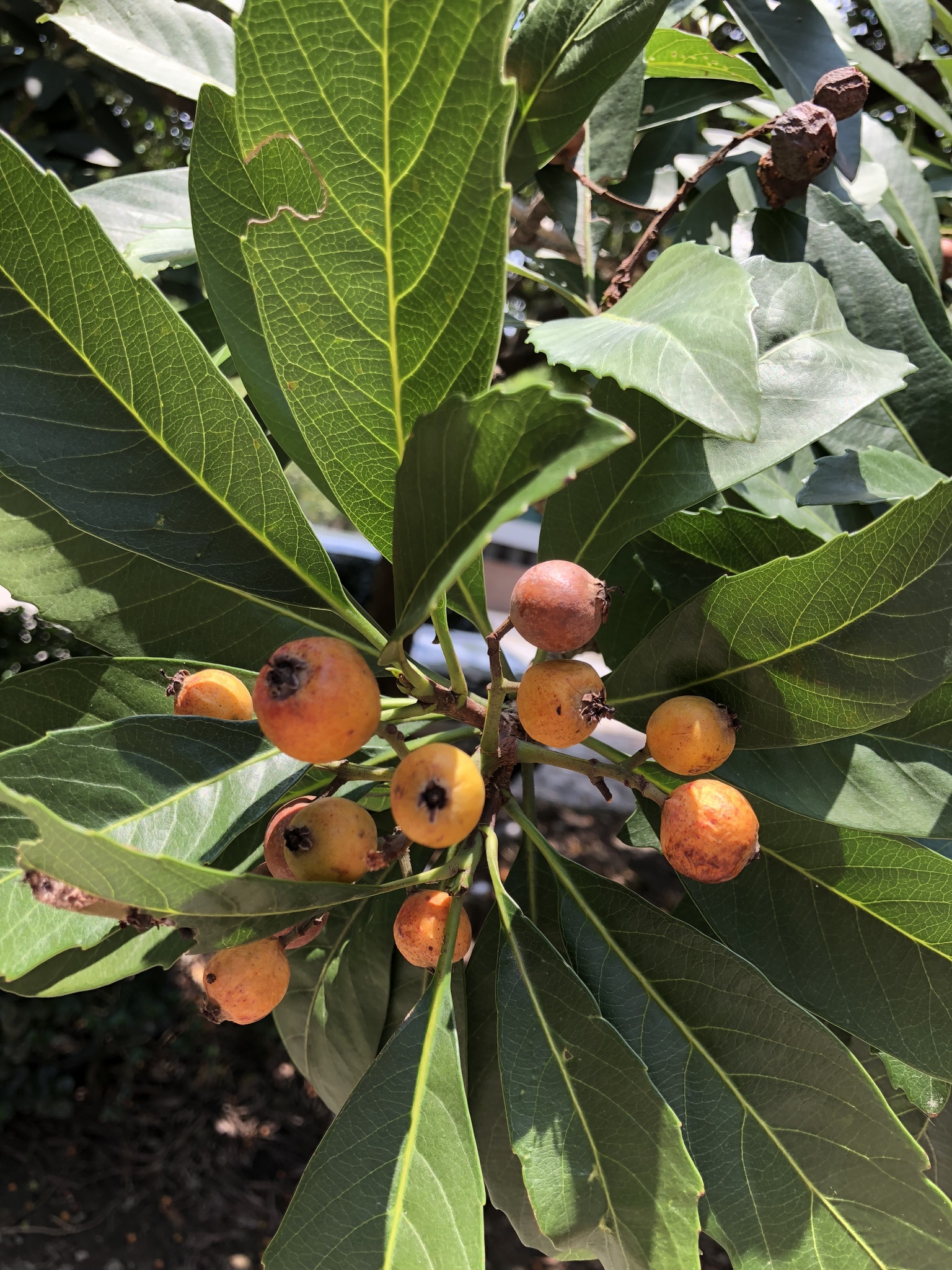
Bronze Loquat
Eriobotrya deflexa
treeBronze Loquat is a small evergreen tree producing clusters of fragrant white flowers in fall followed by small orange fruit that ripens in spring. It is a tropical to subtropical ornamental fruit tree suitable for warm climates and can be used in permaculture systems for food production and wildlife habitat.
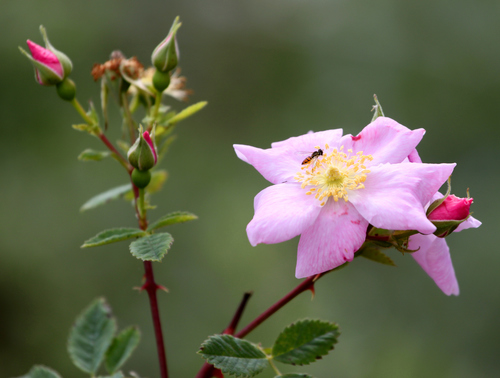
California Wild Rose
Rosa californica
shrubA native California shrub rose producing fragrant pink flowers in late spring and early summer, followed by small red hips. Highly drought-tolerant and adaptable, it's excellent for dry gardens and wildlife habitat.
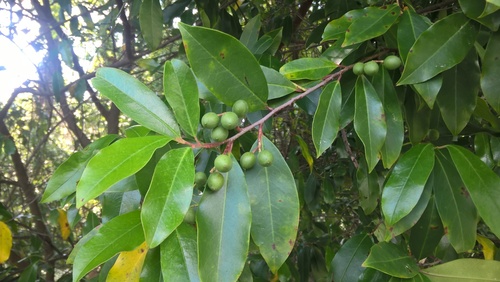
Carolina Laurelcherry
Prunus caroliniana
treeA semi-tropical evergreen tree with glossy foliage and fragrant small white flowers in spring, followed by dark berries attractive to birds. Hardy and adaptable, it serves well as a screening plant or specimen tree in warm regions.

Catalina Island Cherry
Prunus ilicifolia subsp. lyonii
treeA native evergreen tree endemic to Catalina Island with glossy, holly-like leaves and small white flowers followed by dark red to black cherries. Highly drought-tolerant and well-suited to coastal Mediterranean climates.

Chamise
Adenostoma fasciculatum
shrubA dense, fine-textured California native shrub with tiny needle-like leaves and small white flowers in late spring. Extremely drought-tolerant and fire-resistant once established.
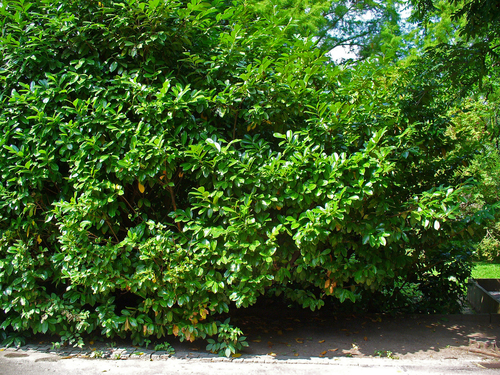
Cherry Laurel
Prunus laurocerasus
shrubA dense, glossy-leaved evergreen shrub with fragrant white flower spikes in spring, followed by red berries that ripen to black. Hardy and low-maintenance, it tolerates shade and poor soil.
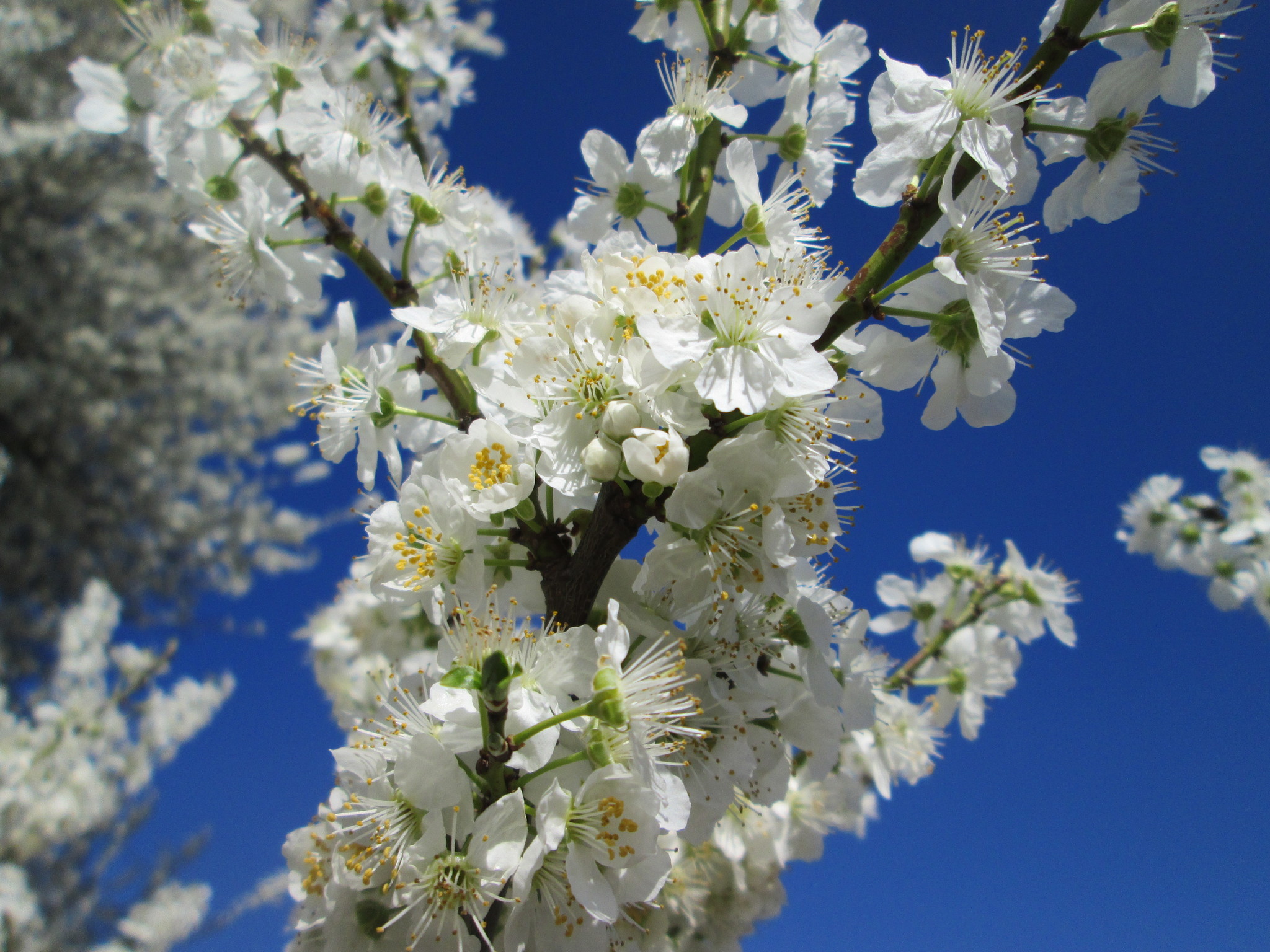
Cherry Plum
Prunus cerasifera
treeA small ornamental tree valued for its early spring blossoms and often colorful foliage depending on cultivar. The edible cherry-plum fruits are small but sweet, and the tree is hardy and adaptable to urban conditions.
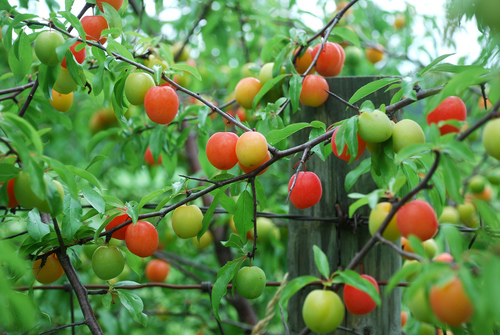
Chickasaw Plum
Prunus angustifolia
shrubA native deciduous shrub producing small fragrant white flowers in spring followed by red to yellow edible plums. Hardy and drought-tolerant once established, valuable for wildlife and human consumption.
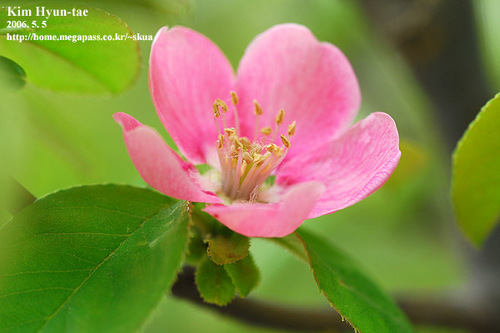
Chinese Quince
Pseudocydonia sinensis
treeA deciduous ornamental tree native to China, prized for its fragrant pink or white spring blossoms and hard, fragrant golden-yellow fruits that ripen in fall. The fruit is primarily ornamental but can be used for fragrance, jellies, or traditional medicine.
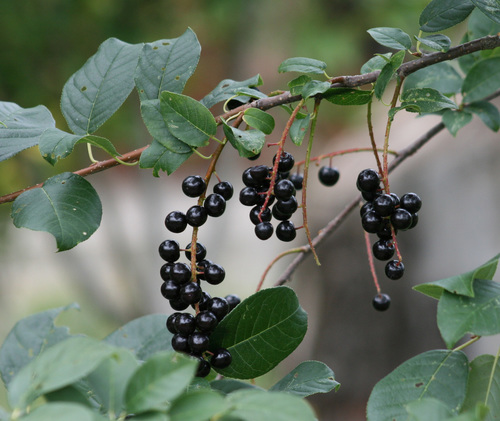
Chokecherry
Prunus virginiana
shrubA native deciduous shrub or small tree bearing fragrant white flower clusters in spring, followed by dark purple-black berries that attract wildlife. The foliage turns reddish in fall, providing multi-season interest.