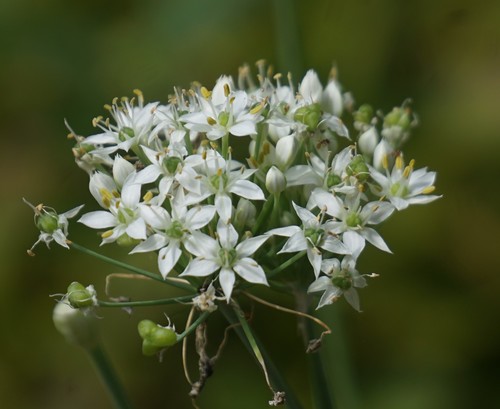
Woods' Rose
Rosa woodsii
Also known as Western Wild Rose, Prairie Rose
Climate Match for your location
See how well Woods' Rose grows in your area.
Enter your ZIP code and we'll show you how this plant fits your local climate.
A native wild rose with fragrant pink flowers and small red hips in fall. Extremely hardy and drought-tolerant once established, requiring minimal maintenance.
Why grow it
Woods' rose outperforms many ornamental rose varieties in cold climates and semi-arid regions where water availability is limited. Unlike hybrid tea roses or floribunda types, it requires no fertilizer, fungicide sprays, or winter protection in most temperate and northern zones, making it a lower-input choice for naturalized plantings, hedgerows, or wildlife corridors. The species also produces abundant hips, which retain nutritional and aesthetic value through winter.
Watch out for
While hardy, young plants benefit from occasional deep watering during their first season to establish deeper roots; withholding water entirely can slow establishment. The plant spreads via underground rhizomes and may expand beyond its intended footprint in moist soils, so consider planting it where lateral spread is either welcome or manageable with periodic pruning.
Overview
- Form
- Growth Rate
- Size
- Dormancy
- Family
- Rosaceae
Native to the United States
Native Range
Western North America
Native to: Alaska, Arizona, California, Colorado, Iowa, Idaho, Kansas, Minnesota, Montana, North Dakota, Nebraska, New Mexico, Nevada, Oklahoma, Oregon, South Dakota, Texas, Utah, Washington, Wisconsin, Wyoming
Seasonality
Bloom Season
Harvest Season
Edible Parts
Season of Interest
Shrub
Woody multi-stem plants at eye level.
Succession Role
Tolerances & Soil
Flood Tolerance
Deer Resistance
Inferred from USDA browse palatability
pH Range
Soil Texture
Establishment & Care
- Establishment
- Maintenance
- Propagation
A native wild rose with fragrant pink flowers and small red hips in fall. Extremely hardy and drought-tolerant once established, requiring minimal maintenance.
Climate Match for your location
See how well Woods' Rose grows in your area.
Enter your ZIP code and we'll show you how this plant fits your local climate.
Why grow it
Woods' rose outperforms many ornamental rose varieties in cold climates and semi-arid regions where water availability is limited. Unlike hybrid tea roses or floribunda types, it requires no fertilizer, fungicide sprays, or winter protection in most temperate and northern zones, making it a lower-input choice for naturalized plantings, hedgerows, or wildlife corridors. The species also produces abundant hips, which retain nutritional and aesthetic value through winter.
Watch out for
While hardy, young plants benefit from occasional deep watering during their first season to establish deeper roots; withholding water entirely can slow establishment. The plant spreads via underground rhizomes and may expand beyond its intended footprint in moist soils, so consider planting it where lateral spread is either welcome or manageable with periodic pruning.
Overview
- Form
- Growth Rate
- Size
- Dormancy
- Family
- Rosaceae
Native to the United States
Native Range
Western North America
Native to: Alaska, Arizona, California, Colorado, Iowa, Idaho, Kansas, Minnesota, Montana, North Dakota, Nebraska, New Mexico, Nevada, Oklahoma, Oregon, South Dakota, Texas, Utah, Washington, Wisconsin, Wyoming
Seasonality
Bloom Season
Harvest Season
Edible Parts
Season of Interest
Shrub
Woody multi-stem plants at eye level.
Succession Role
Tolerances & Soil
Flood Tolerance
Deer Resistance
Inferred from USDA browse palatability
pH Range
Soil Texture
Establishment & Care
- Establishment
- Maintenance
- Propagation
Similar shrubs you might consider:
Enter your ZIP code to see top native species and strong climate fits for you.