Showing 16 of 16 plants
Showing 16 of 16 plants
🌿 Climate Match
See plants matched to your local climate
Enter your ZIP and the best choices for your yard rise to the top.
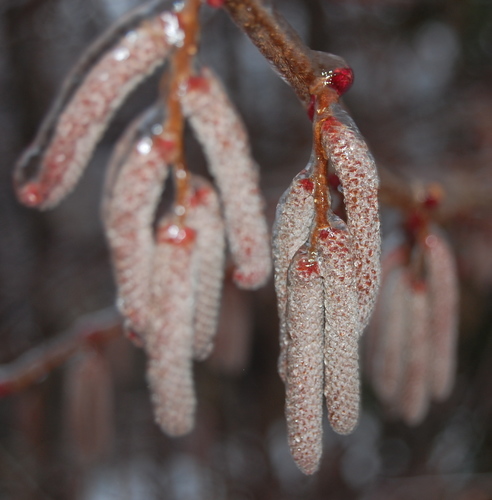
American Hazelnut
Corylus americana
shrubA native North American shrub prized for its edible hazelnuts and dense growth habit. Valuable for wildlife habitat, erosion control, and food production in temperate permaculture systems.
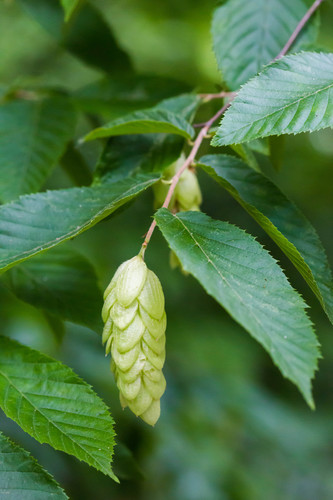
American Hophornbeam
Ostrya virginiana
treeA small to medium deciduous tree native to eastern North America, featuring delicate catkins in spring and distinctive papery seed pods in fall. It tolerates poor soil and shade, making it suitable for difficult garden locations.
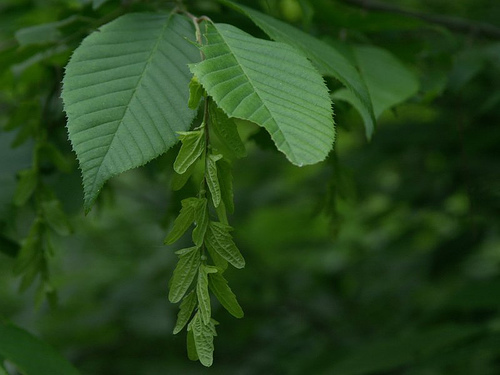
American Hornbeam
Carpinus caroliniana
treeA small native deciduous tree with a graceful, rounded form and attractive birch-like bark that exfoliates to reveal pale inner wood. It produces small catkins in spring and colorful fall foliage, thriving in woodlands and shade gardens.
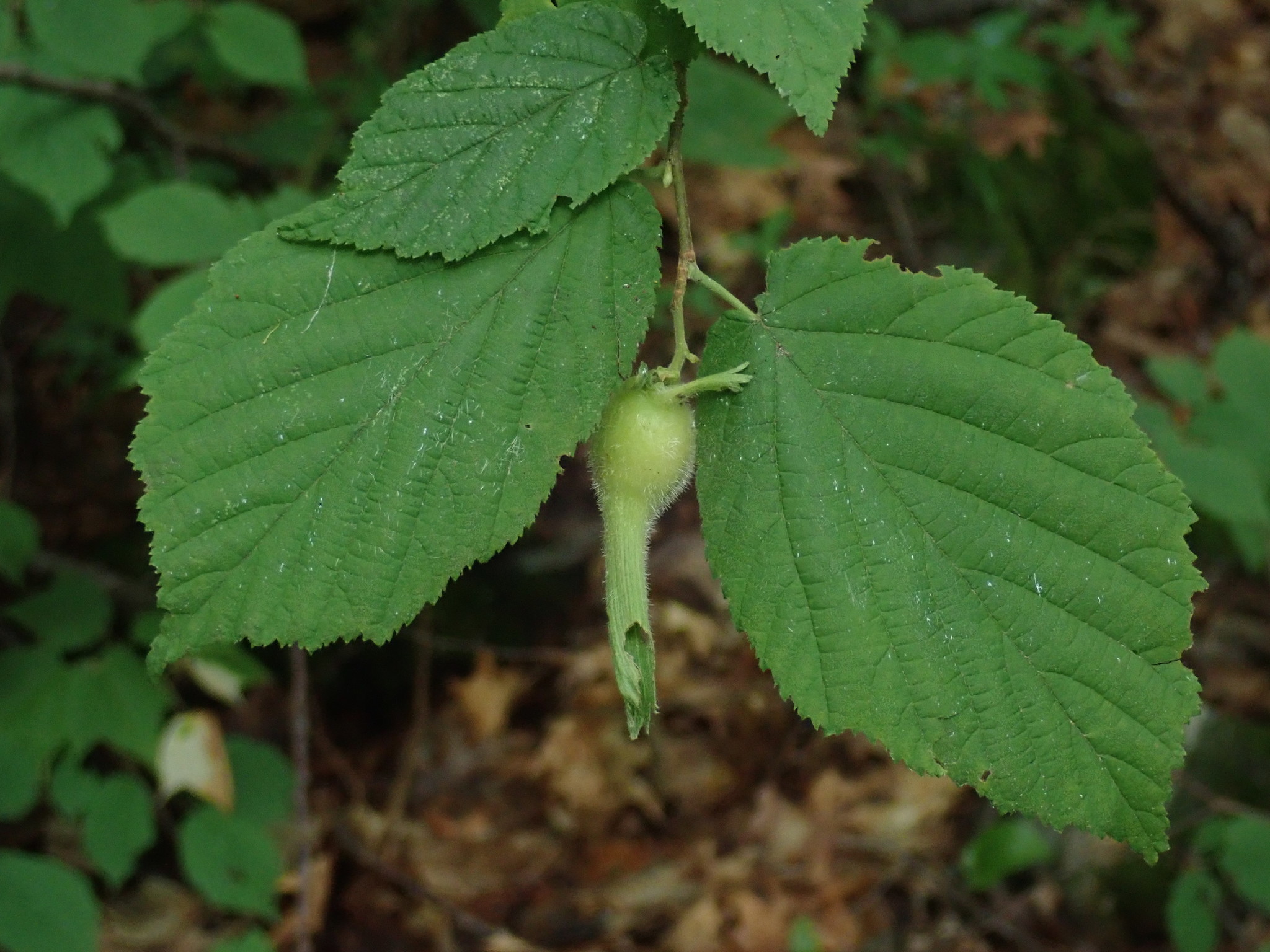
Beaked Hazelnut
Corylus cornuta
shrubA deciduous shrub valued for its clusters of small, edible hazelnuts enclosed in distinctive beaked husks. It grows well in woodland settings and provides food for wildlife while offering ornamental interest in spring with catkins and fall color.
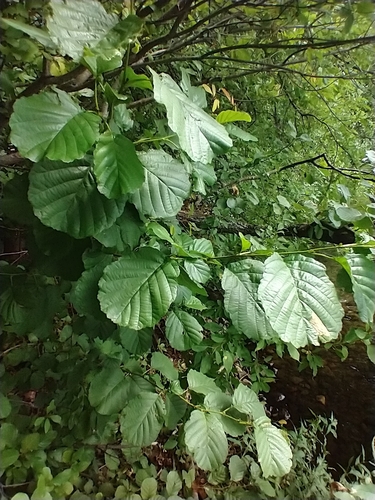
Common Alder
Alnus glutinosa
treeA fast-growing deciduous tree native to Europe that thrives in wet conditions and has distinctive catkins in early spring. Valuable for nitrogen fixation and wildlife, particularly in riparian or boggy settings.
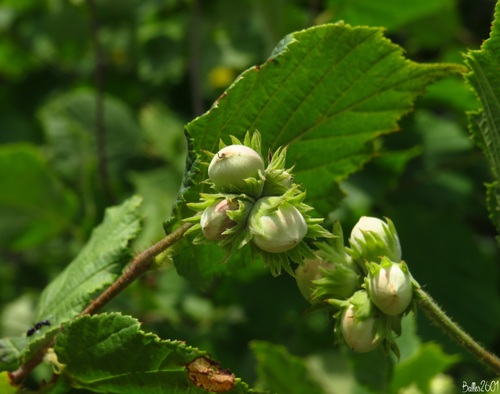
Common Hazel
Corylus avellana
shrubA deciduous shrub prized for its edible hazelnuts and ornamental catkins that appear in late winter. It grows into a rounded, multi-stemmed form and is relatively low-maintenance once established.
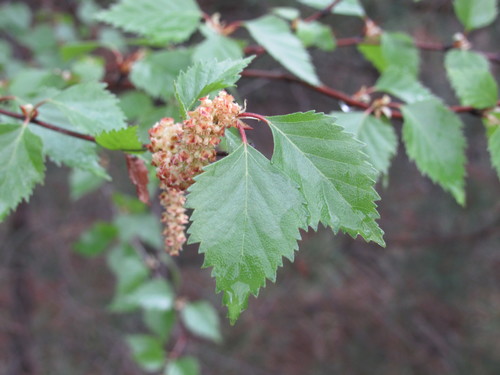
Downy Birch
Betula pubescens
treeA graceful deciduous tree with white peeling bark and delicate catkins in spring. Its foliage turns yellow in fall and tolerates cooler, wetter conditions better than silver birch.

European Hornbeam
Carpinus betulus
treeA graceful deciduous tree with smooth gray bark, fine-textured foliage, and attractive catkins in spring. Popular for hedging and screens, it develops golden fall color and tolerates pruning well.
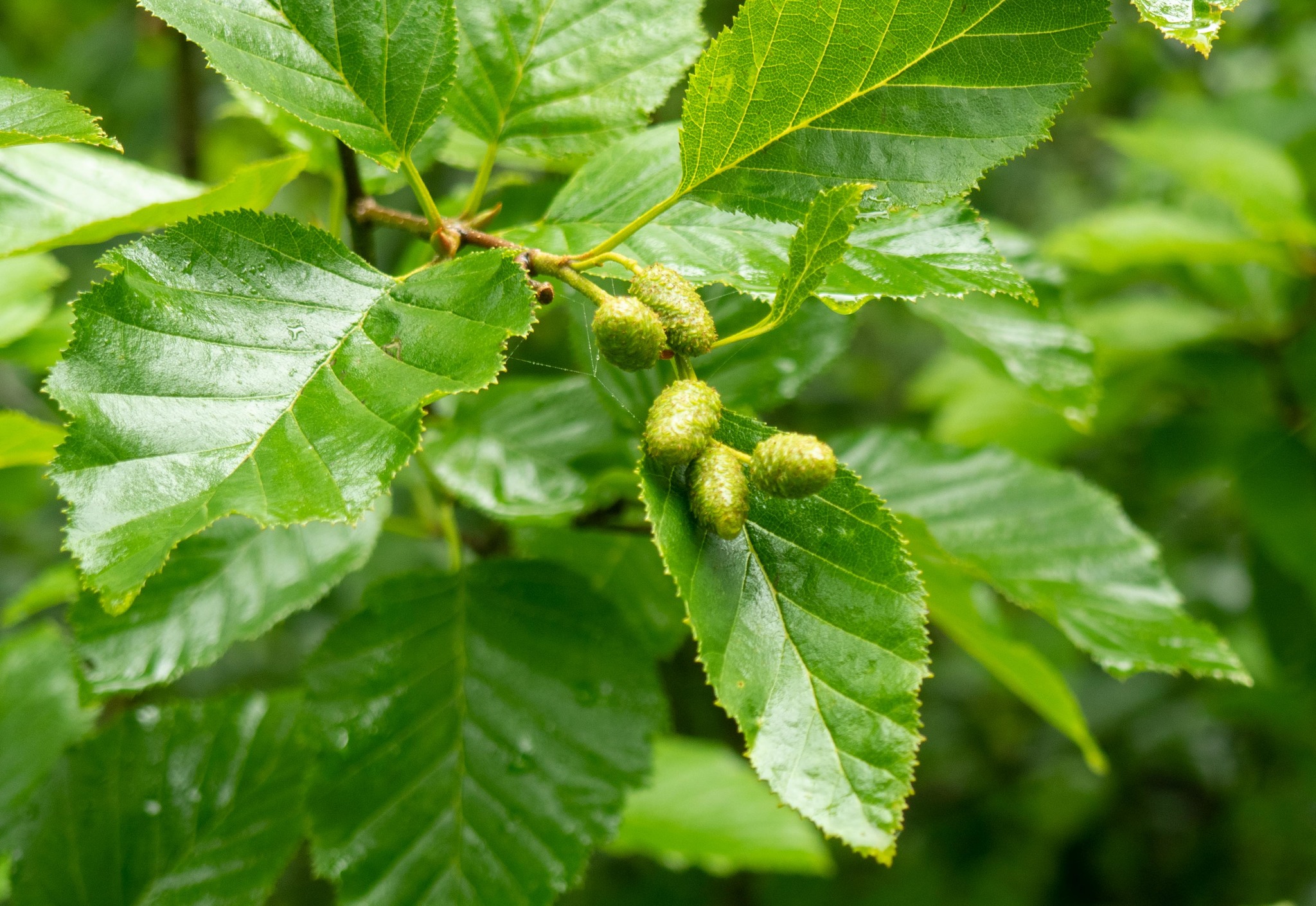
Green Alder
Alnus alnobetula
shrubA deciduous shrub valued for its fine-textured foliage and catkins in spring. Thrives in cool, moist mountain habitats and stabilizes soil along waterways.
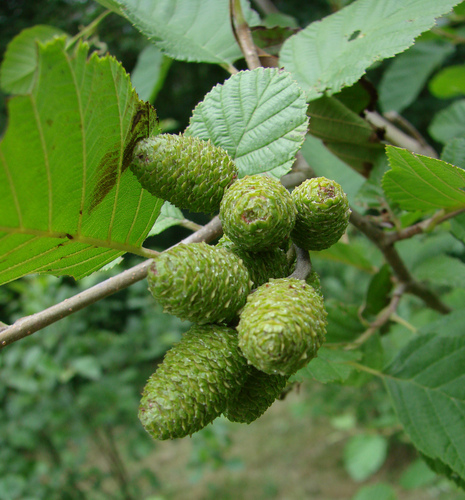
Grey Alder
Alnus incana
treeA fast-growing deciduous tree with gray-green foliage and attractive catkins in spring, thriving in moist to wet soils. Valuable for wetland restoration and wildlife habitat, particularly in northern climates.
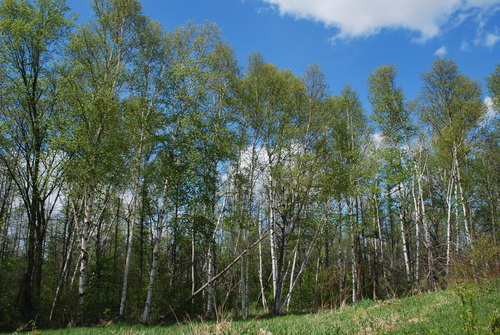
Paper Birch
Betula papyrifera
treePaper birch is a tall, graceful deciduous tree prized for its distinctive white, papery bark that peels in thin layers. It provides spring catkins, golden fall foliage, and striking winter interest.
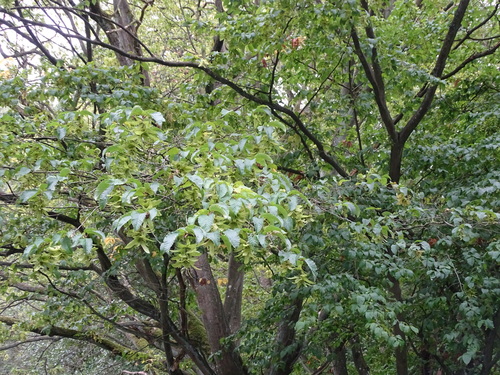
Pyramidal European Hornbeam
Carpinus betulus 'Fastigiata'
treeA narrow, upright cultivar of European hornbeam with a distinctive columnar shape, ideal for tight spaces and formal landscapes. Its small green leaves turn golden-bronze in fall.
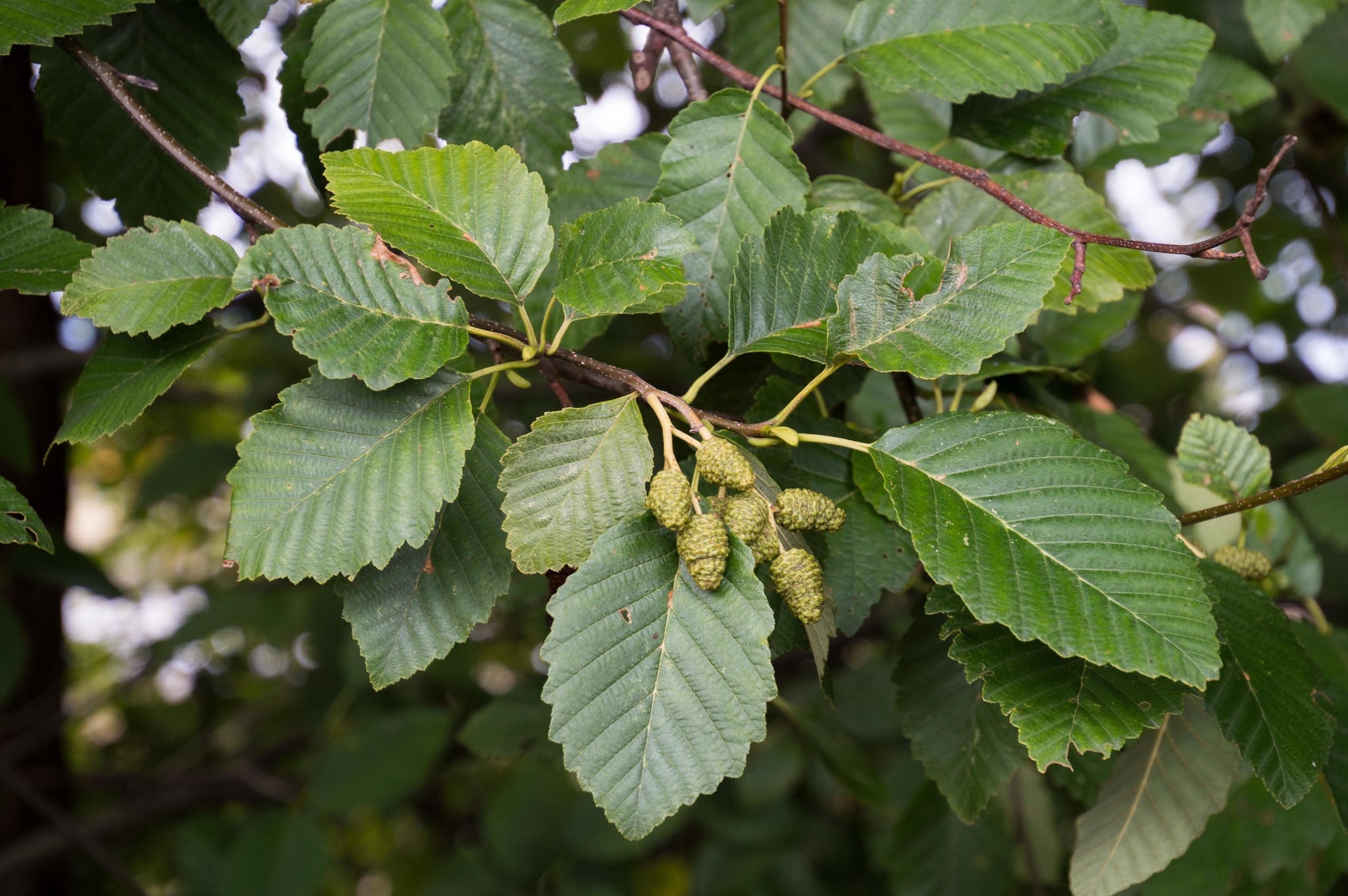
Red Alder
Alnus rubra
treeA fast-growing native deciduous tree with reddish catkins in early spring and dark green foliage. Red alder thrives in wet or riparian areas and is valuable for wildlife and nitrogen fixation.
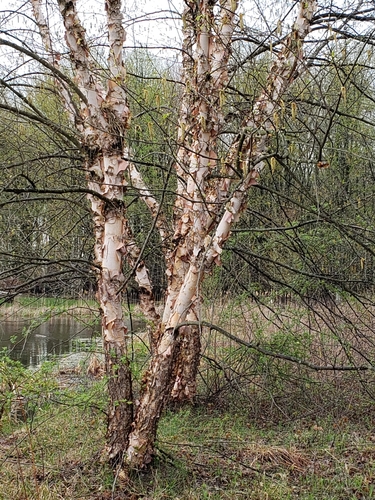
River Birch
Betula nigra
treeA deciduous tree prized for its peeling, papery bark in shades of cream, tan, and salmon that provides winter interest. It thrives in wet conditions and is ideal for riparian zones or areas with consistent moisture.

Silver Birch
Betula pendula
treeA graceful deciduous tree prized for its distinctive white papery bark and delicate, weeping branches. It offers yellow fall color and year-round ornamental appeal, especially striking in winter.
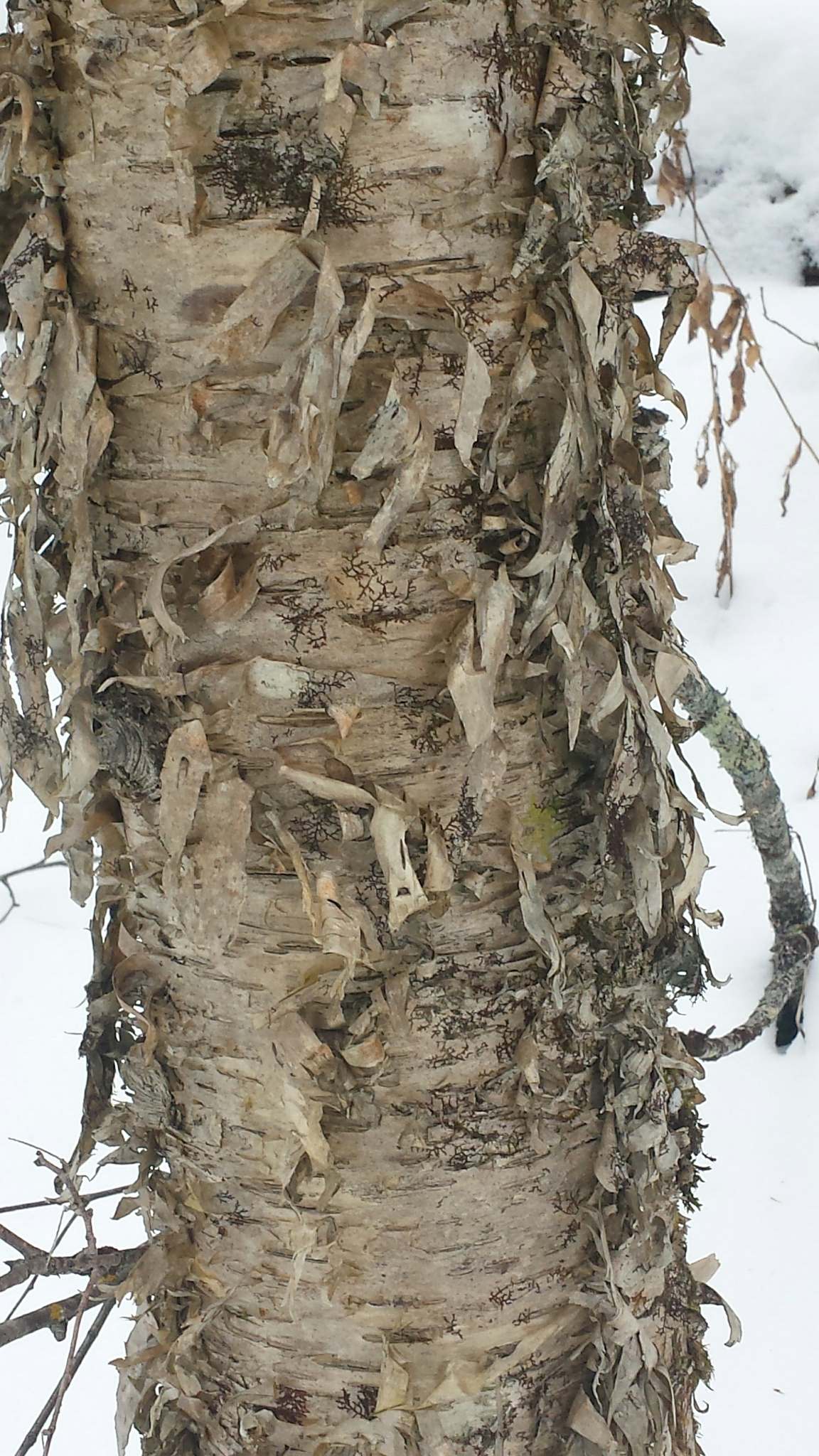
Yellow Birch
Betula alleghaniensis
treeA native deciduous hardwood tree prized for its distinctive golden-yellow exfoliating bark and golden fall foliage. It grows to substantial height and provides excellent timber and wildlife value in eastern woodlands.