Showing 24 of 35 plants
Showing 24 of 35 plants
🌿 Climate Match
See plants matched to your local climate
Enter your ZIP and the best choices for your yard rise to the top.
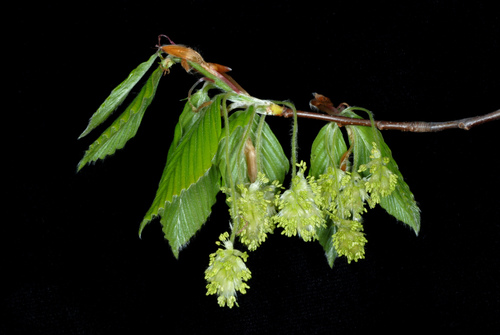
American Beech
Fagus grandifolia
treeA stately native hardwood tree prized for its smooth gray bark, fine-textured foliage, and golden fall color. Grows slowly to large size and prefers cool, moist conditions with some shade.
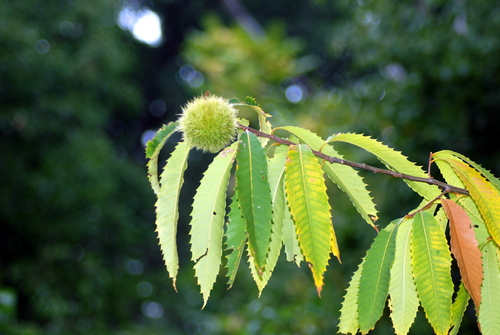
American Chestnut
Castanea dentata
treeA large deciduous tree native to eastern North America, prized for its edible nuts and attractive foliage, though now critically endangered due to chestnut blight disease. Historically an important timber and mast tree, it produces fragrant catkins in early summer followed by spiky burrs containing nuts.
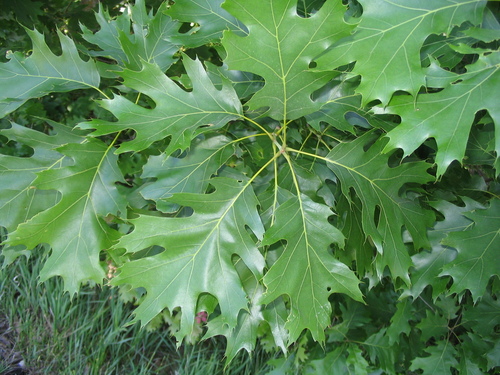
Black Oak
Quercus velutina
treeA large deciduous oak native to eastern North America, valued for its dark, deeply lobed leaves that turn rich burgundy-red in fall. It grows vigorously in full sun and is tolerant of various soil conditions once established.

Blue Oak
Quercus douglasii
treeA native California oak with distinctive blue-gray foliage and a wide, spreading crown. Highly drought-tolerant and ideal for dry landscapes, it produces acorns that support local wildlife.
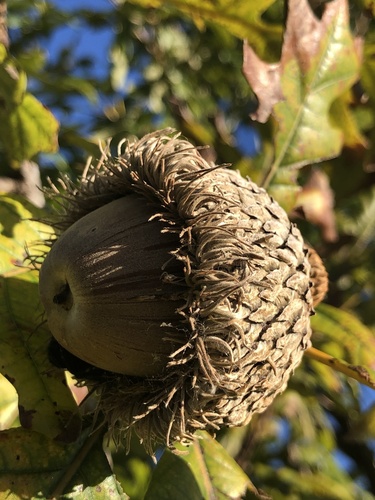
Bur Oak
Quercus macrocarpa
treeA large, slow-growing native oak with deeply lobed leaves and distinctive large acorns with fringed caps. Extremely hardy and drought-tolerant once established, providing fall color and wildlife value.

California Black Oak
Quercus kelloggii
treeA native California oak with deeply lobed, dark green leaves that turn russet-red in fall. Tolerant of drought and heat, it's ideal for Mediterranean and dry-climate landscapes.

Canyon Live Oak
Quercus chrysolepis
treeA drought-tolerant evergreen oak native to California with golden-scaled acorns and dense foliage. It thrives in dry, rocky terrain and is excellent for water-wise landscapes.

Chestnut Oak
Quercus montana
treeA large native oak with deeply lobed leaves that turn yellow to rust in fall and distinctive chestnut-like leaves. It tolerates a range of soil conditions and provides excellent wildlife value.
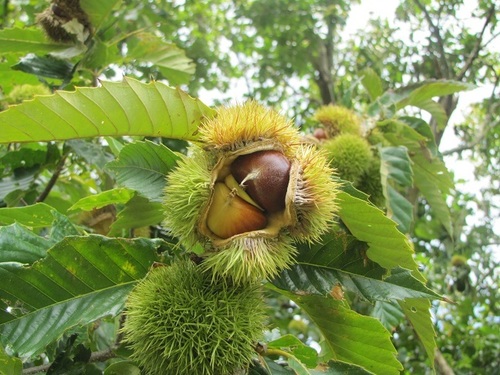
Chinese Chestnut
Castanea mollissima
treeChinese chestnut is a large deciduous tree prized for its edible nuts and blight-resistant characteristics. It produces fragrant flowers in late spring and substantial crops of nuts in fall, making it valuable for both food production and landscape interest.

Chinkapin Oak
Quercus muehlenbergii
treeA native oak tree with attractive gray-white bark and small leaves that turn golden-bronze in fall. Excellent for dry sites and limestone soils, it produces small acorns favored by wildlife.
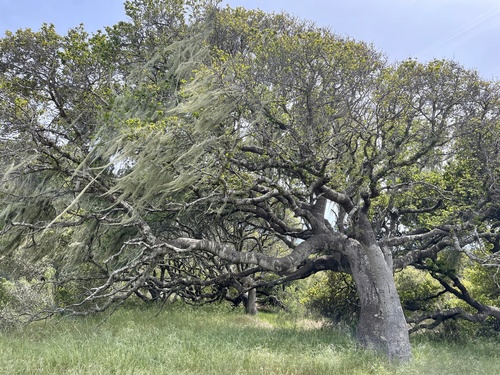
Coast Live Oak
Quercus agrifolia
treeA California native oak with a broad, spreading crown and small, holly-like leaves that are glossy green above and silvery below. Highly drought-tolerant and adapted to coastal conditions, it provides excellent shade and wildlife habitat.
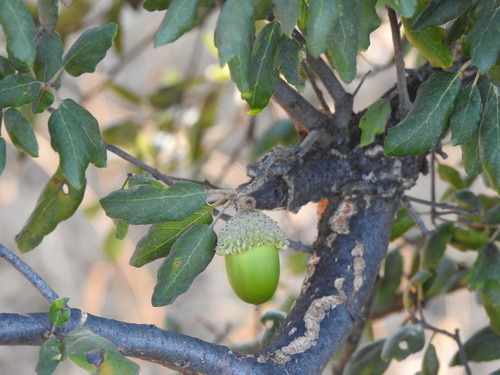
Cork Oak
Quercus suber
treeA long-lived Mediterranean oak prized for its thick, corky bark which is harvested to produce cork. Extremely drought-tolerant and suited to warm climates, it provides excellent wildlife habitat and is a keystone species in cork oak forests.
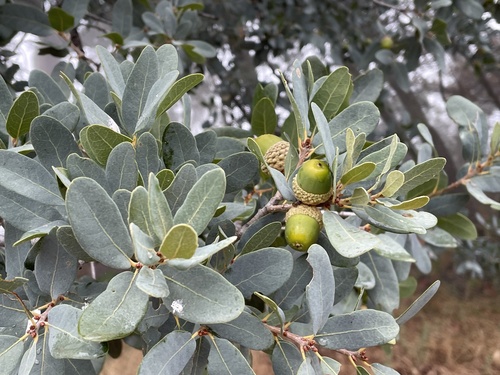
Engleman Oak
Quercus engelmannii
treeA drought-tolerant oak native to southern California, Engelmann oak is a medium-sized spreading tree with small leaves and deep roots adapted to arid conditions. It provides wildlife habitat and acorns for food, making it valuable in permaculture systems in dry regions.
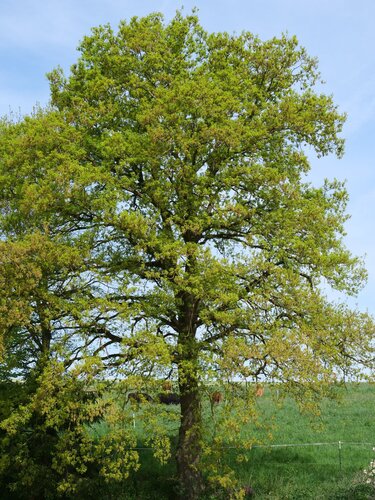
English Oak
Quercus robur
treeA stately, long-lived deciduous tree with a broad spreading crown and deeply lobed leaves that turn russet-brown in autumn. It produces acorns and is valued for its majestic form and wildlife habitat.

European Beech
Fagus sylvatica
treeA large, graceful deciduous tree with smooth gray bark and dense foliage that turns golden-bronze in autumn. Valued as a shade tree and for its elegant form in parks and large gardens.
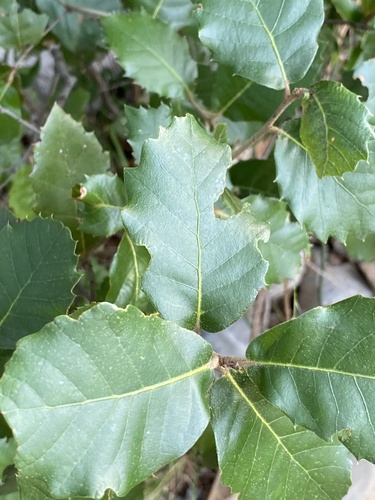
Holm Oak
Quercus ilex
treeA dense, evergreen Mediterranean oak with small, dark glossy leaves and a rounded crown. Highly drought-tolerant once established and tolerates poor, rocky soils.

Interior Live Oak
Quercus wislizeni
treeA drought-tolerant evergreen oak native to California's interior foothills, featuring small leaves and slow growth. It develops a sturdy, spreading form and requires minimal water once established, making it ideal for dry landscapes.
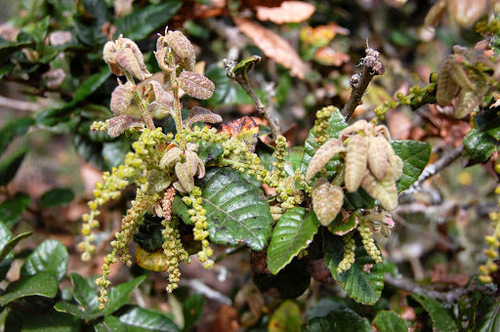
Island Oak
Quercus tomentella
treeIsland Oak is a drought-tolerant evergreen oak native to the Channel Islands of California, valued for its dense, rounded canopy and ability to thrive in dry, exposed conditions. It produces acorns and provides excellent wildlife habitat while requiring minimal water once established.
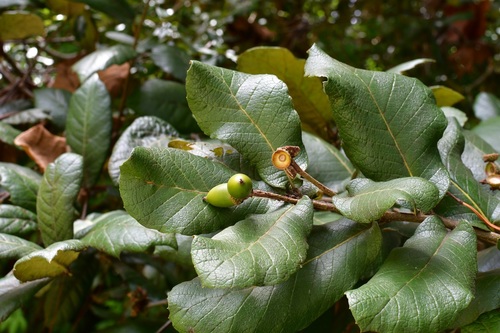
Netleaf Oak
Quercus rugosa
treeA drought-tolerant oak native to southwestern North America, characterized by distinctive wrinkled or rugose leaves that give it its common name. It is a slow-growing, multi-stemmed tree valuable for wildlife habitat and xeriscaping in arid regions.

Northern Red Oak
Quercus rubra
treeA large deciduous oak native to eastern North America with a pyramidal form when young, maturing to a rounded shape. Its glossy green summer foliage turns brilliant red in fall, and it produces acorns favored by wildlife.

Oregon Oak
Quercus garryana
treeOregon oak is a native deciduous oak with a broad, spreading crown and distinctive lobed leaves that turn golden-brown in fall. Highly drought-tolerant and slow-growing, it thrives in full sun and well-drained soils.
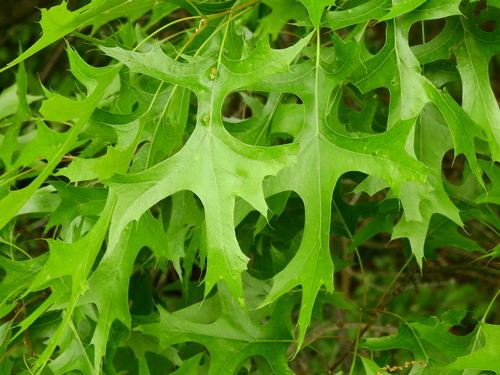
Pin Oak
Quercus palustris
treeA medium to large deciduous oak with a pyramidal form and deeply lobed leaves that turn brilliant red-scarlet in fall. Pin oak thrives in full sun and tolerates wet soils, making it suitable for wet areas and rain gardens.
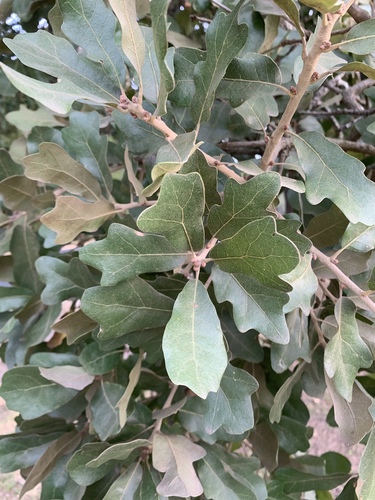
Post Oak
Quercus stellata
treePost oak is a native deciduous tree with a broad, rounded crown and distinctive cross-shaped leaves that turn russet-brown in fall. It is extremely drought-tolerant once established and prefers full sun, making it well-suited for dry, difficult sites.

Scarlet Oak
Quercus coccinea
treeA native oak prized for its brilliant scarlet fall foliage and open, spreading branching habit. It grows at a moderate pace and reaches 50–80 feet tall, making it an excellent shade tree for large landscapes.